Want to rank higher on Google without risking penalties? Instead of taking shortcuts, focus on ethical SEO practices that deliver long-term results.
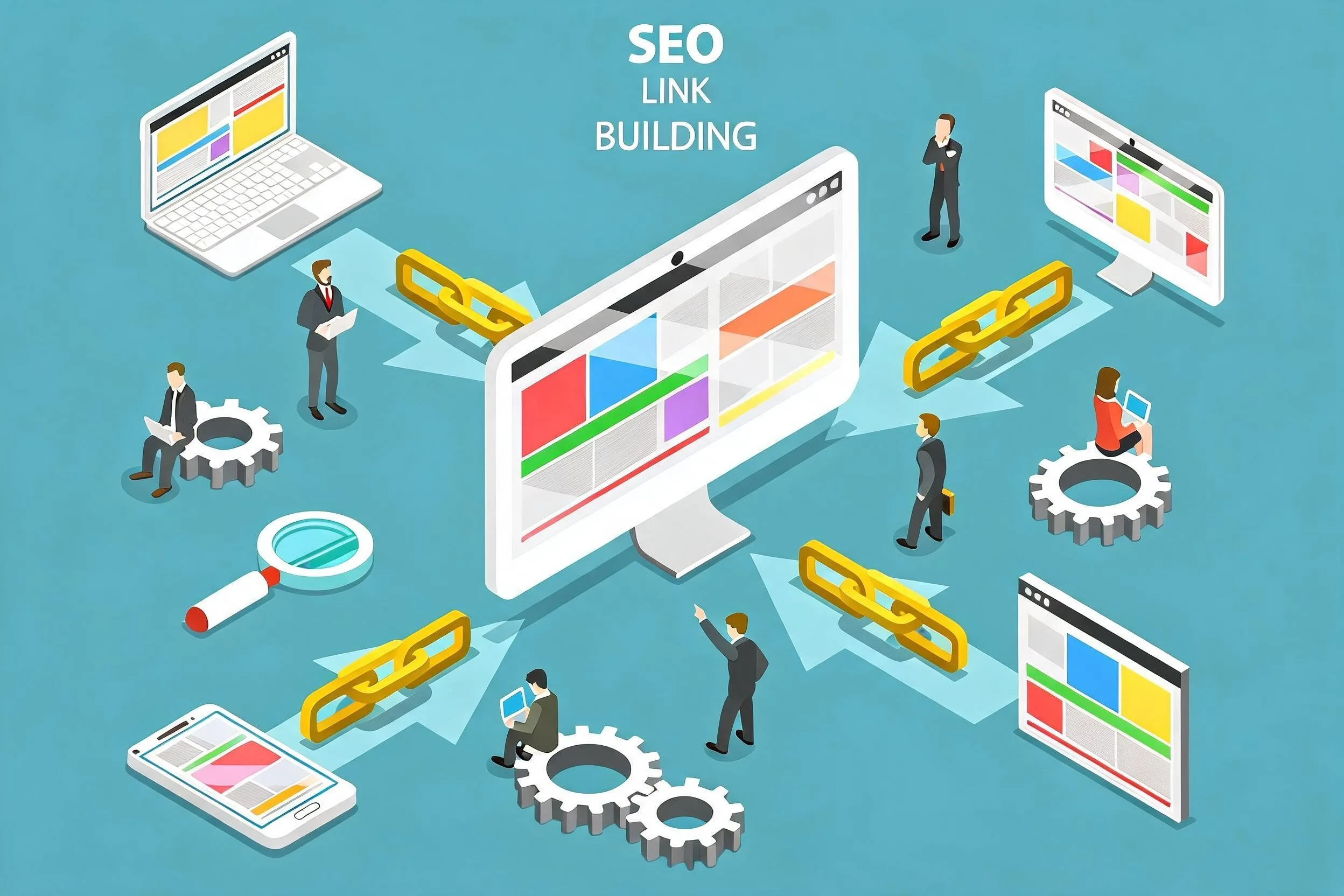
Link building remains one of the most powerful ranking factors in SEO. However, not all links are created equal. In 2026, Google’s algorithms are smarter than ever, and they reward websites that earn links naturally through ethical practices. That is exactly what white hat link building is all about.
In this guide, we will explore the best white hat link building strategies that can help you grow your website authority, boost organic traffic, and stay safe from algorithm updates.
What Is White Hat Link Building?
White hat link building refers to ethical techniques used to earn backlinks from reputable websites. These methods follow Google’s Webmaster Guidelines completely. Unlike black hat tactics such as buying links or using link farms, white hat strategies focus on creating genuine value. As a result, the links you earn are long-lasting and beneficial for your overall SEO health.
Moreover, white hat link building is not just about rankings. It also helps you build relationships, increase brand awareness, and establish thought leadership in your niche.
Why White Hat Link Building Matters in 2026
Google continues to update its algorithm to fight spammy and manipulative links. In 2026, websites caught using black hat techniques face severe penalties, including complete removal from search results. Therefore, investing in white hat strategies is not just smart — it is essential for long-term success.
Additionally, white hat links drive real referral traffic. When a trusted website links to your content, their audience clicks through to learn more. This means you get visitors who are genuinely interested in what you offer.
Top White Hat Link Building Strategies for 2026
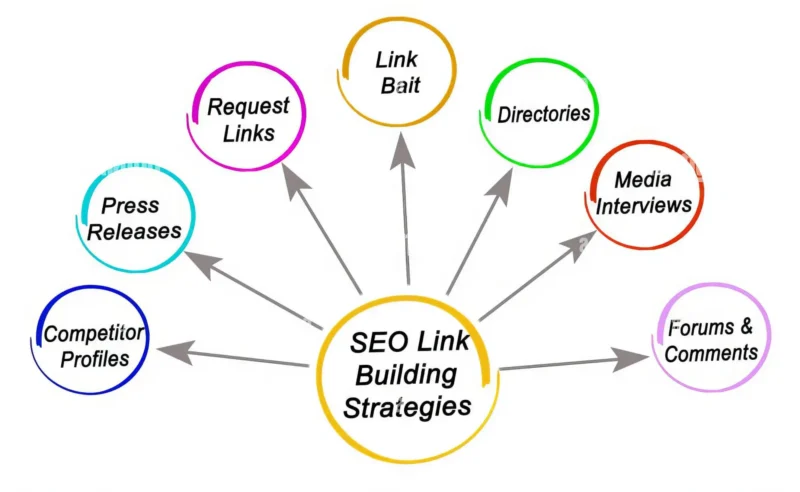
1. Create Link-Worthy Content
The foundation of every successful Internal link building campaign is outstanding content. In 2026, thin or generic content simply will not attract links. Instead, focus on creating in-depth guides, original research, case studies, infographics, and data-driven reports.
For example, if you publish a well-researched industry report with unique statistics, bloggers and journalists will naturally cite and link to it. Content that solves real problems and answers specific questions tends to attract the most backlinks over time.
2. Guest Blogging on Authority Sites
Guest blogging remains one of the most effective white hat strategies. The key is to target high-quality websites in your niche that accept guest contributions. When you write a helpful, informative article for another website, you earn a contextual backlink in return.
However, avoid low-quality guest posting sites that exist solely for link exchange. Instead, focus on websites with real audiences, strong domain authority, and genuine editorial standards. This approach builds credibility and drives targeted traffic to your website.
3. Broken Link Building
Broken link building is a clever yet ethical strategy. Here is how it works: you find broken links on relevant websites, then reach out to the site owner and suggest your own content as a replacement. This approach is a win-win because you help the webmaster fix a bad user experience while earning a valuable backlink.
To get started, use tools like Ahrefs, Check My Links, or Screaming Frog to find broken links on authority websites in your industry. Then, craft a polite and personalized outreach email with your suggestion.
4. Digital PR and Expert Commentary
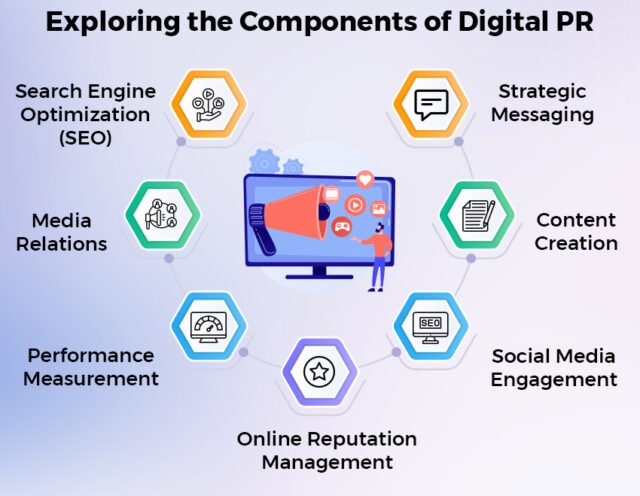
Digital PR has become a major link building channel in 2026. Platforms like HARO (Help a Reporter Out), Qwoted, and Connectively allow you to respond to journalist queries with expert insights. When a journalist uses your quote or expertise in their article, they typically link back to your website.
Furthermore, issuing press releases for newsworthy events — such as product launches, partnerships, or research findings — can earn high-authority links from news websites and industry publications.
5. Resource Page Link Building
Many websites maintain curated resource pages that list helpful tools, articles, and guides in a specific niche. If your content genuinely deserves a spot on one of these pages, you can reach out to the website owner and request inclusion.
To find resource pages, use search queries like “your niche + resources,” “your niche + useful links,” or “your niche + recommended reading.” Then, evaluate each page for relevance and quality before sending your pitch.
🔗 Read the full strategy here:
https://digitalpocketnews.com/white-hat-link-building-strategies-complete-guide-2026/
Want to know more? Read on our website and follow updates: https://digitalpocketnews.com/