

Introduction
Before a vessel begins its journey at sea, it must go through different checks to make sure it is safe for the crew, cargo, and the environment. These checks help confirm that the ship can handle long trips, harsh weather, and heavy loads. These steps are very important for avoiding accidents and keeping every person on board safe. One of the main ways to check a vessel is by doing ship surveys and inspections.
What Is a Ship Survey?
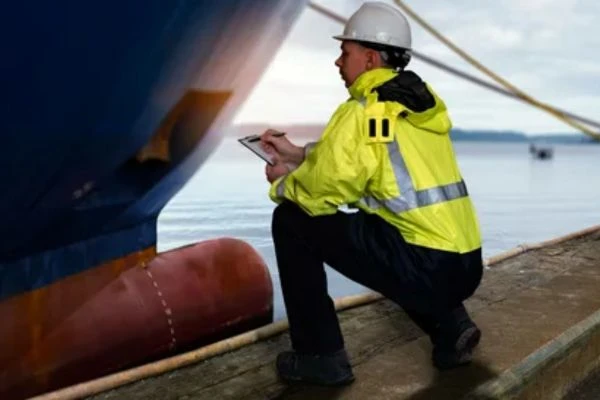
A ship survey is a detailed check carried out by certified surveyors. They examine different parts of the ship such as the hull, engine, equipment, safety tools, and navigation systems. The goal is to confirm that everything works well and follows international rules. Surveyors also check if the vessel is strong enough for the type of work it will do, such as carrying cargo, fishing, or traveling long distances.
Why Are Ship Surveys Important?
Ship surveys are important because they help avoid risks at sea. A ship with weak structure or broken equipment can face serious problems. Regular surveys make sure problems are found early and fixed before sailing. These checks protect the vessel, the crew, and even the environment from oil leaks, fire, or accidents.
Types of Surveys Needed Before Sailing
1. Safety Equipment Survey
Before a vessel leaves the port, surveyors check all safety equipment. This includes life jackets, fire extinguishers, lifeboats, emergency signals, and communication devices. Every item must work properly in case of an emergency. If anything is missing or damaged, the ship cannot start its trip.
2. Hull and Structure Survey
The outer body of the ship, called the hull, must be strong enough to face waves and rough sea conditions. Surveyors look for cracks, corrosion, rust, or weak points. They also check the stability of the vessel. If the hull is weak, it could cause leaks or even sinking.
3. Machinery and Engine Survey
Before sailing, engines, generators, and other machinery must be tested. Surveyors check the fuel system, cooling system, pipes, and electrical panels. If any engine problem is found, the ship must repair it immediately. A strong and healthy engine is necessary for smooth sailing.
4. Navigation and Communication Survey
A ship cannot sail safely without working navigation tools. Surveyors check radar, GPS, compass, lights, alarms, and radio systems. These tools help the crew avoid collisions, track weather, and stay connected with port authorities.
5. Load Line Survey
This survey checks how much weight the ship can safely carry. Every vessel has a marked load line that shows the maximum safe loading level. Surveyors make sure the ship does not carry more weight than allowed, as extra load can make the vessel unstable.
Final Approval Before Sailing
Once all surveys are completed, the surveyor issues a safety certificate. This certificate confirms that the vessel meets all safety rules and is ready to start its journey. Without this approval, no ship is allowed to sail.
Note :- Prominence Shipping Agency is a trusted shipping and logistics company in Dubai, committed to delivering reliable marine solutions across the UAE. With a strong focus on relationships and long-term partnerships, we offer a wide range of services including pre-dock support, underwater marine services, offshore supply vessels, technical support services, and marine engineering. Our team works with dedication and expertise to support your operations with efficiency and professionalism.
Conclusion
Before a vessel begins sailing, it must pass several surveys that check safety equipment, structure, engine condition, and navigation systems. These surveys ensure that the ship is strong, safe, and ready for the sea. Regular checks protect lives, cargo, and the environment. A well-surveyed vessel always has a better and safer journey.
Also Read :- Efficient Support at Sea: The Role of Husbandry Services in Port Operations