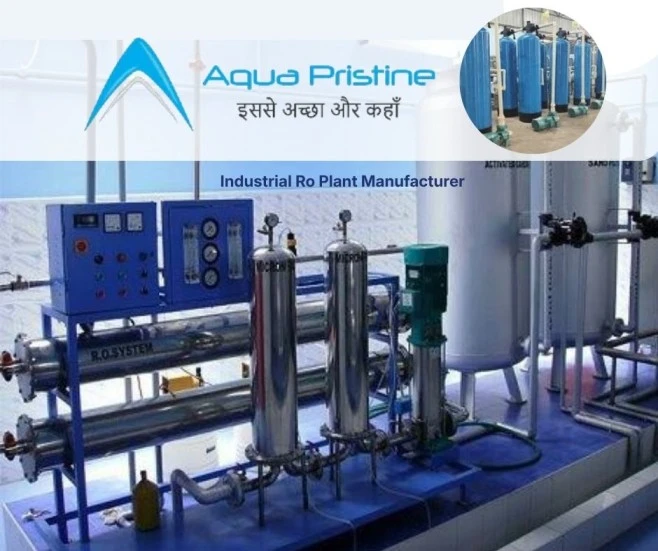
In today’s competitive business environment, clean and purified water is not just a requirement but a standard that companies across industries must meet. From restaurants to manufacturing plants, the need for large-scale water purification has increased significantly. Commercial RO systems are designed to meet these high demands, offering constant purification, better efficiency, and long-term performance. Choosing the right system is crucial for ensuring quality, operational stability, and customer satisfaction.
Understanding Commercial RO Systems – What Makes Them Unique?
A commercial reverse osmosis system is more advanced than a household unit because it is built to handle higher input water loads and impurities. While domestic RO systems are suitable for home use, commercial units are engineered with heavy-duty membranes, advanced filters, and stronger pumps that deliver higher output. Businesses need dependable systems that not only purify water but also work continuously without frequent breakdowns. This makes design quality, system capacity, and durability essential features in commercial RO selection.
Top Industries That Rely on Commercial RO Systems
Commercial RO systems are widely used across various industries where clean water is critical. Restaurants, hotels, and cafés use them to provide safe drinking water and improve the quality of food and beverages. Hospitals, schools, and colleges require purified water for students and patients. Large-scale manufacturing plants rely on RO systems to protect machinery, maintain process purity, and avoid delays. Similarly, gyms, beauty salons, and corporate offices also use commercial water purification systems to ensure health and hygiene standards.
Key Features to Look for in the Best Commercial RO System
Water Purification Capacity
One of the first considerations when choosing a commercial RO is its daily purification capacity. Every business has different requirements, and selecting a system that matches daily consumption ensures smooth functionality without water shortages.
Filtration Stages
Multi-stage filtration enhances purification efficiency and helps remove sediments, chemicals, bacteria, dissolved salts, and contaminants. The reverse osmosis stage plays the key role, but additional filters enhance water taste and clarity.
TDS Handling Ability
Commercial RO systems must handle a wide range of Total Dissolved Solids (TDS) based on different water sources. The right system should perform equally well whether the supply comes from groundwater, tanker sources, or municipal supply.
Purification Speed and Output
A rapidly growing business cannot afford delays due to water shortages. Commercial RO units with higher litres-per-hour output ensure an uninterrupted supply, even during peak business hours.
Build Quality and Durability
Since commercial units operate continuously, they must be built using durable materials. High-quality stainless steel frames and strong housings ensure long-term performance and reliability.
Technology and Automation
Modern RO plants include digital monitoring systems, pressure gauges, membrane health indicators, and automated shut-off features. These make maintenance easier and help prevent downtime.
Brand Warranty and Support
Strong after-sales support ensures that servicing, membrane replacement, and periodic maintenance are completed on time. This is a vital factor that reflects system reliability.
Types of Commercial RO Systems – Choosing the Right Model
50–100 LPH RO Systems
These are ideal for small cafés, startups, clinics, and office units with low daily water usage.
100–250 LPH RO Units
Medium-scale restaurants, schools, and mid-sized commercial setups benefit from this capacity.
250–500 LPH RO Plants
These RO systems are designed for institutions with high usage requirements, such as hospitals and manufacturing floors.
500–1000 LPH and Beyond
Industrial facilities and large commercial operators that use thousands of litres per day need high-capacity systems to maintain production efficiency.
Top Factors That Decide Which RO Is Best for Commercial Use
Water Source Quality
The first step is understanding the quality and hardness of the input water. A water test helps businesses choose the right membrane and purification technology.
Space and Installation
Depending on available space, businesses can choose between floor-standing systems, cabinet units, or wall-mounted designs. Systems should be easy to access for maintenance and inspection.
Operating Cost and Electricity Consumption
Efficient RO systems consume less energy, reducing operational costs over time. Maintenance and service frequency should also be factored into the budget.
Water Output Need
Every business must estimate its daily requirement to avoid over-investing or purchasing a unit that cannot support peak demand.
Brand Reliability
Selecting a system from a reputable supplier ensures technical support, durability, and long-term performance. Many organizations prefer trusted solutions from an experienced industrial RO plant manufacturer in Delhi.
Comparison Table – Commercial RO Options at a Glance
A comparison table helps businesses quickly understand system selection based on capacity, filtration level, maintenance requirement, TDS handling, and suitability for different industries.
Signs Your Business Needs a Commercial RO System
If customers or staff complain about unusual taste or odor, it may be time to install an RO plant. Scale deposits on utensils or machinery also indicate high TDS. In some industries, compliance standards require maintaining specific water quality parameters. Increasing monthly expenses on packaged water are another sign that a commercial RO could reduce costs.
Benefits of Choosing the Right Commercial RO System
Improved Purification
Better-tasting and contaminant-free water boosts credibility and enhances customer experience.
Long-Term Cost Savings
Once installed, businesses save significantly compared to buying bottled water or depending on outsourced sources.
Machinery Protection
Hard water leads to corrosion and scaling. Commercial RO protects equipment, improving its lifespan.
Compliance Support
Industries that follow food, health, or manufacturing standards benefit from controlled and certified water output.
Enhanced Business Image
Clean and safe water reflects responsibility and care, strengthening brand trust.
Advanced Technology Trends in Commercial RO
Modern RO systems now include IoT-based monitoring, water recovery features that minimize wastage, efficient motors, and digital TDS indicators. These innovations boost performance and reduce long-term costs.
Mistakes Businesses Must Avoid
Businesses often make the mistake of choosing domestic RO systems for commercial purposes. Some fail to test water quality before buying or overlook future consumption growth. Opting for low-cost units without service support can also create frequent disruptions.
Maintenance Tips
Regular membrane checks, timely filter replacement, tank cleaning, and routine professional servicing ensure that the purification system performs optimally for years.
Conclusion
Selecting the best RO system for commercial use requires evaluating water demand, quality, installation space, output capacity, and ongoing maintenance needs. As Aqua Pristine, we ensure that businesses receive systems that deliver consistent water quality, long-term reliability, and excellent operational value.