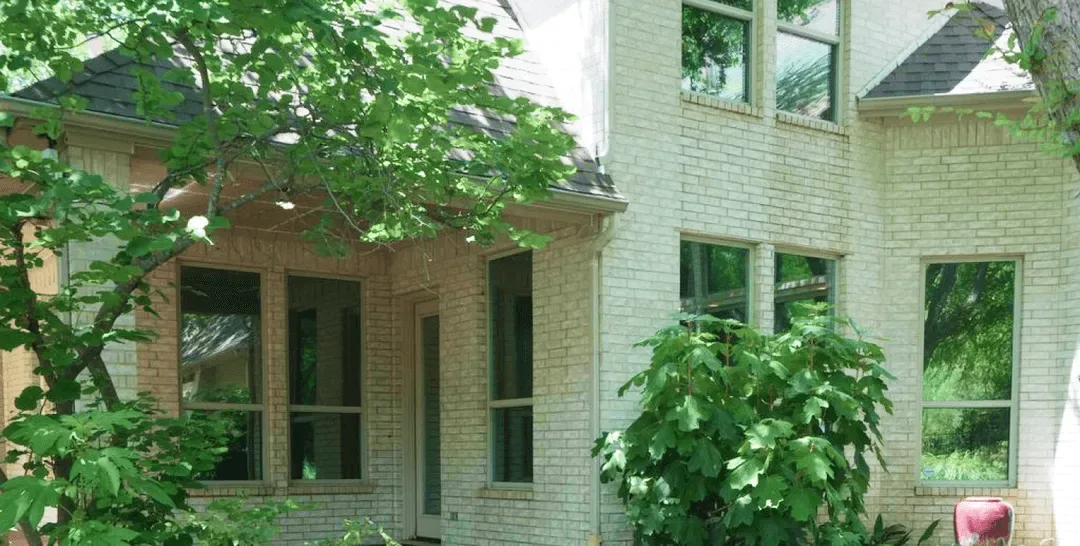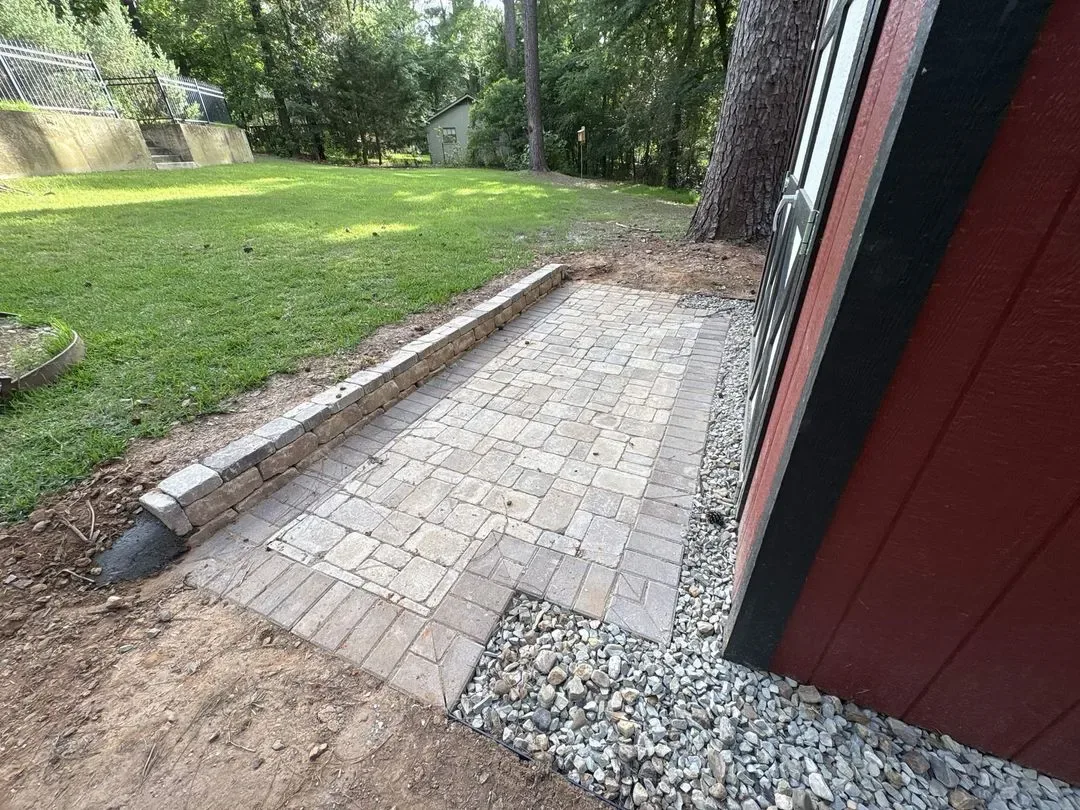
Heavy downpours, sloped terrain, and dense soil conditions across East Texas can quickly turn low spots or side yards into soggy trouble zones. After a strong rainstorm in Tyler, water often pools near foundations, washes mulch across flowerbeds, or leaves lawns spongy and difficult to mow for days at a time. Many property owners look into drainage contractors in Tyler TX when simple surface adjustments or DIY trenches cannot keep runoff moving away from vulnerable areas. Left unmanaged, excess moisture and trapped water can stress turf roots, erode slopes, and create dampness along hardscapes and building edges. Thoughtful water management helps keep outdoor areas drier, more usable, and better protected after wet weather.
How Drainage Contractors in Tyler TX Solve Water Problems
Effective solutions from drainage contractors in Tyler TX start with mapping how rainwater enters, travels across, and exits a property rather than guessing at a quick fix. Depending on site layout and soil conditions, a water management plan may involve regrading or swales, French drains, catch basins, channel drains, or downspout extensions that route water safely toward appropriate discharge points. Surface drainage addresses sheet flow and pooling across lawns and patios, while subsurface drainage helps capture water moving through saturated soil profiles. Matching the right combination of grading and drainage hardware to the yard's slope and runoff volume is key to lasting performance.
Why Site Assessment and Proper Slope Matter
Water follows gravity and the path of least resistance, which makes accurate elevation assessment and proper slope essential on any drainage project. If a drain pipe lacks sufficient fall, sits too high in a low spot, or discharges where water simply flows right back into the yard, performance quickly falls short. Experienced crews also check root zones, existing utility lines, patio elevations, and neighboring property lines so water is redirected responsibly without creating new bottlenecks. Taking time to evaluate soil saturation, roof runoff volume, and entry or exit points prevents trial-and-error digging. Careful planning helps ensure water moves smoothly when storms hit hard.
Key Factors to Consider When Planning Yard Drainage
Every yard has its own grade changes, roof discharge patterns, and wet spots that shape the right water management setup. Review these practical factors when planning drainage work for your property.
- Standing Water and Low Spots: Identify where puddles linger after rain and which areas stay soggy or muddy the longest.
- Roof Gutters and Downspouts: Check how concentrated roof runoff enters the yard near foundations, walkways, or planting beds.
- Yard Slope and Soil Behavior: Account for steep grades, flat basins, and how quickly local soil absorbs or sheds water.
- Discharge and Runoff Paths: Confirm where collected water can exit safely without eroding slopes or impacting adjacent areas.
- Existing Hardscapes and Plants: Plan around patios, retaining walls, mature trees, and lawn zones that need protection.
How to Vet Drainage Contractors and Compare Quotes
Choosing a reliable contractor is much easier when you compare diagnostic clarity, proposed water routing, communication, and written estimates. Ask prospective teams how they identify where water comes from, why they recommend specific grading or drain components, and how they handle discharge without causing erosion or soggy spots elsewhere. Clear quotes should outline trenching or regrading scope, materials such as piping or basins, restoration expectations, and project timelines. Checking responsiveness, local familiarity, and insurance coverage helps confirm that the crew works safely and stands behind their workmanship. Property owners working with Breaking Ground Outdoor Services appreciate practical site evaluations, clear scope details, and steady local follow-through.
Quality Standards, Trench Safety, and Site Care
Dependable drainage work relies on safe excavation habits, proper pipe and aggregate installation, and tidy site restoration. Crews digging trenches or regrading yards should follow safe excavation practices, watch for underground utilities, and keep work areas organized around homeowners and pets. Proper bedding, slope alignment, and filter protection help drainage lines resist clogging or shifting as soil settles over time. Restoring disturbed turf, topsoil, and bed edges neatly at the end of the job helps the yard recover cleanly. Strong quality standards keep both the installation process and the finished yard orderly.
Realistic Benefits and Long-Term Yard Value
Well-planned drainage can provide realistic benefits—including fewer puddles after storms, drier walking paths, healthier turf conditions, and reduced erosion along slopes—though results depend on rainfall intensity, soil type, and ongoing upkeep. Keeping leaves, sediment, and yard debris clear of grates, basins, and outlets helps systems continue moving water as intended. At the same time, drainage improvements cannot eliminate extreme weather flooding, fix pre-existing structural foundation defects on their own, or replace routine maintenance. Grounding expectations in site conditions helps homeowners get practical value from the investment.
Evolving Trends in Residential Water Management
Property owners increasingly look for water management approaches that combine dependable drainage with gentler land shaping and thoughtful runoff care. Pairing subtle regrading or vegetated swales with targeted catch basins and clean downspout routing is often preferred over disruptive, overly complex trench layouts. Homeowners also pay closer attention to how runoff moves across yards without washing out garden beds or creating soggy strips along fences. Practical, site-specific water management continues to guide how properties handle East Texas rain.
Conclusion
Managing rainwater effectively protects your yard's usability, plant health, and surrounding hardscapes through heavy seasonal storms. By identifying water sources early, choosing appropriate grading and drainage methods, and confirming clear project scope, homeowners can avoid recurring wet spots and washouts. Working with experienced drainage contractors in Tyler TX gives you a structured way to address pooling and runoff with practical solutions. With careful planning and regular upkeep, your outdoor spaces can drain more reliably year-round.