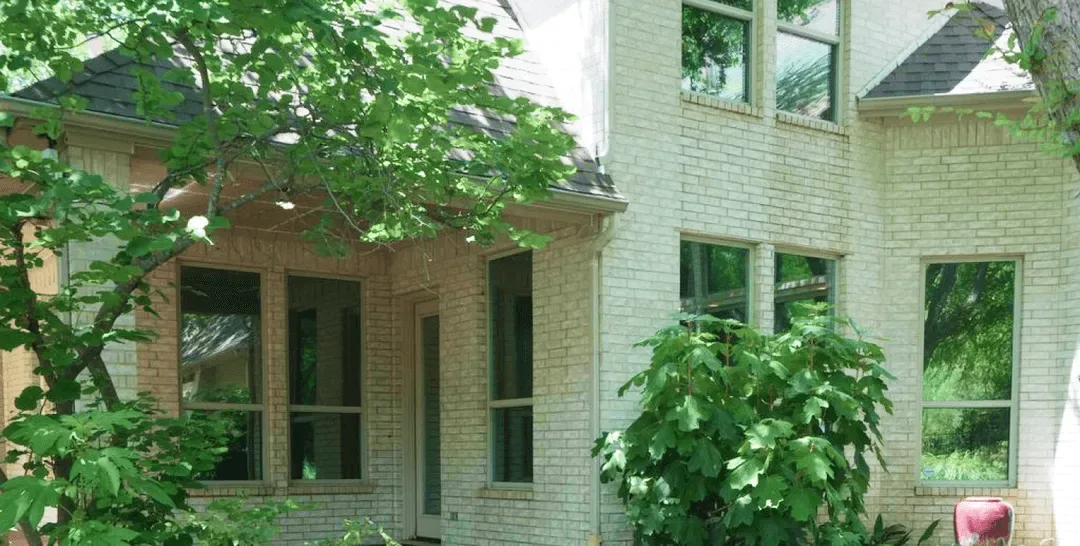
Unwanted spray paint, markers, or accidental paint spills can quickly detract from a home, storefront, fence, or public-facing wall. In Fort Worth, visible tags or stray coatings on brick, concrete, stone, or metal draw immediate attention and can make well-kept properties look neglected. Many property owners look into graffiti and paint removal in Fort Worth soon after marking happens because fresh coatings are often easier to address before they cure deeply into textured materials. Leaving paint or graffiti sitting on porous masonry or painted finishes can also make full removal harder and increase the risk of ghosting or shadow marks. Prompt, careful action helps restore a cleaner surface and protect the look of the property.
Understanding Graffiti and Paint Removal in Fort Worth
Effective graffiti and paint removal in Fort Worth combines targeted stripping or cleaning agents with controlled water pressure or gentle abrasion suited to the underlying material. Because spray paint and coatings behave differently on smooth metal, painted trim, textured concrete, and porous brick or stone, a single aggressive approach can easily scar the surface. Technicians often apply specialized removers designed to break down paint bonds first, allowing controlled rinsing or surface cleaning to lift residue without blasting away mortar or etching stone. Understanding how coating chemistry interacts with the base material helps prevent permanent surface damage.
Why Surface Assessment and Controlled Methods Matter
Removing paint or graffiti without leaving behind etched streaks, damaged mortar joints, or stripped base finishes requires careful judgment. High pressure alone on soft brick, older stucco, or delicate painted wood can gouge the surface or force pigment deeper into pores. Conversely, harsh strippers left too long or used without proper rinsing can discolor adjacent trim, harm nearby plants, or leave uneven patches. Evaluating the surface texture, existing coatings, and nearby landscaping first helps determine a safer, more controlled sequence. Thoughtful preparation makes restoration cleaner and protects surrounding materials.
Key Factors to Consider Before Removing Graffiti or Paint
Every affected wall, slab, or fixture presents different surface textures, coating ages, and access conditions that shape the removal approach. Review these practical points when planning graffiti and paint removal in Fort Worth.
- Surface Porosity and Texture: Smooth metal, sealed concrete, and rough brick or split-face block hold paint very differently.
- Age and Type of Paint: Fresh spray paint, cured coatings, or overspray each respond differently to dwell times and removal agents.
- Underlying Finishes and Mortar: Painted walls, coated metal, and older brick or mortar joints need care to avoid unintended stripping.
- Nearby Plants, Glass, and Fixtures: Shielding foliage, windows, lighting, and walkways helps prevent chemical or rinse damage.
- Timing and Visibility: Addressing prominent walls, storefronts, or fences promptly helps limit lingering eyesores and repeat activity.
How to Evaluate Removal Specialists and Quotes
Finding the right team for graffiti and paint removal in Fort Worth is easier when you ask clear questions about surface protection, removal methods, and realistic expectations. Ask providers how they test or adjust methods for your specific wall or concrete material, how they handle runoff and nearby landscaping, and what happens if faint staining remains on porous stone or brick. Clear estimates should explain what surfaces and areas are covered, how many treatment passes may be needed, and any follow-up options. Checking communication, local familiarity, and insurance helps ensure a careful, reliable job. Property owners working with O.N. Point Pressure Washing appreciate surface-aware care, clear communication, and practical local support.
Quality Standards, Safety, and Surface Protection
Safe paint and graffiti removal requires careful handling of cleaning agents, proper protective gear, and attention to surrounding people and property. Technicians should keep work zones clear, ventilate or manage fumes appropriately where applicable, and protect eyes, skin, and nearby foliage during application and rinsing. Controlling runoff and rinsing surrounding surfaces thoroughly helps keep walkways, planters, and adjacent walls clean after treatment. Maintaining pumps, nozzles, and application tools also ensures even coverage and controlled rinsing pressure. Consistent quality habits protect both the property and the people on site.
Realistic Benefits and Surface Restoration Limits
Timely paint and graffiti removal can deliver practical benefits—including cleaner walls, restored curb appeal, and a fresher appearance for homes and businesses—though exact results depend on surface porosity, coating depth, and how long the paint has been in place. Smooth, non-porous, or well-sealed surfaces often clear more cleanly than deeply textured or weathered masonry where pigment can soak into microscopic pores. Even with careful work, faint ghosting or subtle differences in sheen can sometimes remain on older or porous materials. Setting realistic expectations helps property owners make informed decisions about removal and any touch-up painting afterward.
Evolving Trends in Surface Restoration and Prevention
Property owners and facility managers increasingly look for removal methods that clear unwanted coatings effectively while minimizing harsh runoff and surface wear. Targeted gel or paste removers, controlled low-pressure rinsing, and plant-conscious rinsing habits are widely valued for handling detail work cleanly. Many owners also look ahead to practical surface protection—such as compatible sealers or coatings where appropriate—to make future cleanup easier on high-exposure walls. Thoughtful restoration and practical upkeep continue to help properties stay neat over time.
Conclusion
Dealing with unwanted paint or graffiti quickly helps keep homes, storefronts, and outdoor walls looking clean, cared for, and welcoming. By assessing surface materials carefully, asking clear questions about removal methods, and setting realistic expectations on porous finishes, owners can avoid avoidable damage. Turning to dependable graffiti and paint removal in Fort Worth gives property owners a practical way to address markings and restore clean surfaces. With steady care and the right local help, your exterior spaces can look fresh and well-tended again.