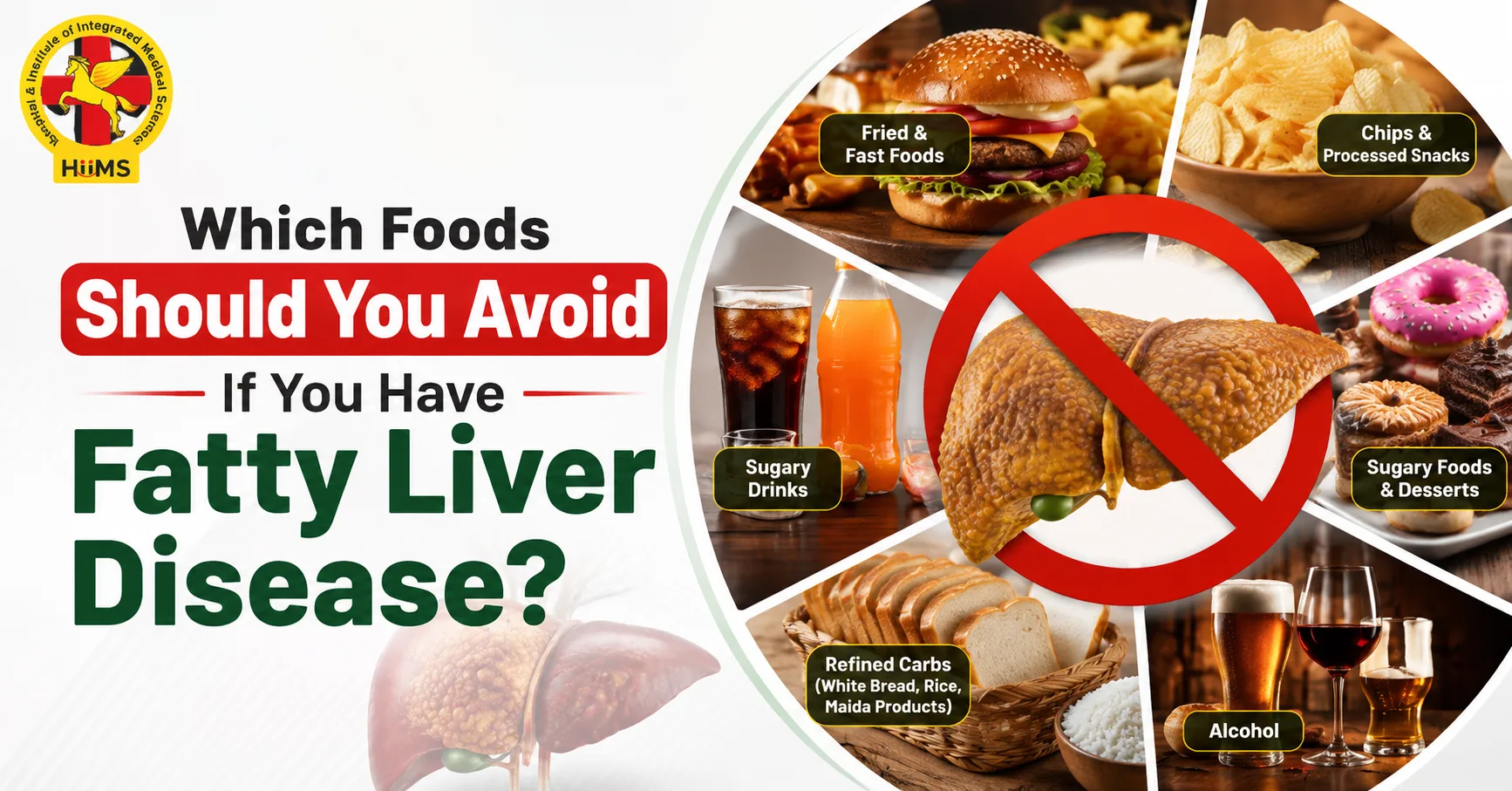
Fatty liver disease occurs when excess fat builds up in the liver. While several factors can contribute to this condition, dietary habits play an important role in liver health. Eating too much sugar, unhealthy fat, processed food, or highly refined carbohydrates may make it harder to maintain a healthy liver.
If you have fatty liver disease, making thoughtful food choices can support overall liver health and help you maintain a healthy body weight. Along with choosing nutritious foods, knowing which foods to limit or avoid is equally important.
At Jeena Sikho HiiMS, dietary habits and lifestyle factors are considered an important part of maintaining overall wellness. Here are some foods that people with fatty liver may benefit from limiting.
1. Sugary Foods and Desserts
Foods containing high amounts of added sugar can contribute to excess calorie intake and may promote fat accumulation in the body. Excessive sugar consumption is especially concerning when it comes from foods and drinks that provide little nutritional value.
1.1 Sweets and Desserts
Limit foods such as:
- Cakes and pastries
- Cookies and biscuits
- Donuts
- Ice cream
- Chocolates with added sugar
- Indian sweets such as gulab jamun, jalebi, and rasgulla
- Sweetened puddings and desserts
These foods can contain significant amounts of added sugar and refined carbohydrates.
1.2 Sugary Drinks
Soft drinks, packaged fruit drinks, energy drinks, sweetened beverages, and heavily sweetened tea or coffee can add large amounts of sugar to the diet. Water, unsweetened beverages, and naturally hydrating options can be preferable choices.
2. Foods High in Refined Carbohydrates
Refined carbohydrates are processed in a way that removes much of the naturally occurring fiber. Eating them frequently may make it more difficult to maintain balanced eating habits.
2.1 Refined Grains
Foods to limit may include:
- White bread
- Refined flour products
- White pasta
- Bakery products
- Refined-flour noodles
- Many packaged snack foods
Instead, meals can include more fiber-rich whole grains and other minimally processed foods.
3. Fried and Deep-Fried Foods
Deep-fried foods can be high in calories and unhealthy fats. Frequent consumption may contribute to excessive calorie intake and weight gain, which can be unfavorable for people managing fatty liver disease.
Examples include:
- French fries
- Pakoras
- Samosas
- Kachori
- Fried chips
- Poori
- Fried fast foods
Try to reduce the frequency of fried foods and choose simpler cooking methods such as steaming, boiling, grilling, or light cooking.
4. Foods High in Unhealthy Fats
Not all dietary fats are the same. Foods containing large amounts of saturated and trans fats are generally better limited as part of a balanced diet.
4.1 Processed and High-Fat Foods
Limit foods such as:
- Commercially baked snacks
- Packaged fried foods
- Certain processed meats
- High-fat fast foods
- Foods prepared with excessive amounts of butter or shortening
Reading food labels can help identify products that contain excessive saturated or trans fats.
5. Processed and Packaged Foods
Many packaged foods contain combinations of refined carbohydrates, added sugar, salt, and unhealthy fats. Regularly consuming these foods may make it difficult to maintain a balanced diet.
Common examples include:
- Packaged chips
- Instant noodles
- Processed snacks
- Ready-to-eat meals
- Packaged biscuits
- Sweetened breakfast cereals
- Processed bakery items
Instead of relying heavily on packaged foods, choose fresh and minimally processed ingredients whenever possible.
6. Fast Food and Restaurant Foods
Fast food can often be high in calories, refined carbohydrates, salt, and unhealthy fats. Regular consumption may contribute to weight gain and make healthy dietary management more difficult.
6.1 Foods to Limit
These may include:
- Burgers
- Pizza
- Fried chicken
- French fries
- Creamy pasta
- Fried sandwiches
- High-calorie desserts
If eating outside, choosing simpler meals with vegetables, whole grains, and appropriately portioned protein can be a better approach.
7. Excessive Salt
Salt does not directly cause fatty liver, but consuming excessive amounts of sodium can contribute to other health concerns. Packaged and processed foods are often major sources of sodium.
Try to limit:
- Packaged soups
- Salty snacks
- Pickles in excessive amounts
- Instant noodles
- Processed foods
- Salt-heavy sauces and condiments
Using herbs, spices, lemon, and other natural flavoring ingredients can add taste without relying heavily on salt.
8. Large Portions and Excess Calories
Even nutritious foods can contribute to excessive calorie intake when eaten in very large portions. For people with fatty liver disease, maintaining a healthy body weight can be an important part of lifestyle management.
8.1 Practice Portion Control
Instead of completely eliminating every type of food, focus on balanced portions. A meal can include vegetables, a suitable source of protein, and a moderate amount of whole-food carbohydrates.
Eating slowly and paying attention to hunger and fullness can also help prevent overeating.
9. Alcohol
Alcohol can place additional stress on the liver and is particularly important to avoid or discuss with a qualified healthcare professional when liver disease is present.
If you have been diagnosed with fatty liver disease, do not assume that moderate alcohol consumption is suitable for you. Individual circumstances vary, especially when there is inflammation or other liver-related concerns.
10. What Should You Eat Instead?
Avoiding certain foods is only one part of maintaining a liver-friendly eating pattern. It is also important to include a variety of nutrient-rich foods.
Consider incorporating:
- Fresh vegetables
- Whole fruits in appropriate portions
- Whole grains
- Legumes and pulses
- Nuts and seeds in moderate quantities
- Protein-rich foods
- Adequate water
- Minimally processed foods
A balanced diet should be personalized according to an individual's nutritional requirements, lifestyle, body weight, and overall health.
11. Simple Dietary Habits for Fatty Liver
Small and consistent changes can make healthy eating easier to maintain.
11.1 Reduce Added Sugar
Choose unsweetened beverages and reduce sweets, desserts, and foods containing added sugar.
11.2 Choose Whole Foods
Give preference to fresh, minimally processed foods rather than packaged and highly processed options.
11.3 Increase Dietary Fiber
Vegetables, fruits, legumes, and whole grains can provide dietary fiber and important nutrients.
11.4 Maintain Healthy Portions
Avoid regularly eating beyond your body's energy requirements. Portion awareness can support healthy weight management.
11.5 Stay Physically Active
Diet and regular physical activity can work together to support healthy weight management and overall metabolic health. Choose activities appropriate for your fitness level and health condition.
12. Foods to Avoid: Quick Checklist
For easier reference, people managing fatty liver may want to limit:
- Sugary drinks
- Excess sweets and desserts
- Refined flour products
- Deep-fried foods
- Highly processed snacks
- Fast foods
- Foods high in unhealthy fats
- Excessively salty packaged foods
- Large portions
- Alcohol
The goal is not necessarily to follow an extremely restrictive diet. Instead, focus on building sustainable eating habits that emphasize nutritious, minimally processed foods.
Conclusion
Knowing which foods to avoid with fatty liver disease can make it easier to develop healthier eating habits. Excess sugar, refined carbohydrates, fried foods, highly processed products, unhealthy fats, excessive salt, and alcohol are among the foods and beverages that may need to be limited or avoided depending on individual circumstances.
A balanced dietary pattern, appropriate portions, regular physical activity, adequate hydration, and healthy lifestyle habits can all contribute to better overall wellness. If you have fatty liver disease or concerns about your liver health, your diet should ideally be planned according to your individual needs.
Jeena Sikho HiiMS focuses on a holistic approach to health and encourages people to understand the role of nutrition and lifestyle in maintaining overall well-being. Making gradual, sustainable food choices can be a valuable step toward developing a healthier lifestyle.