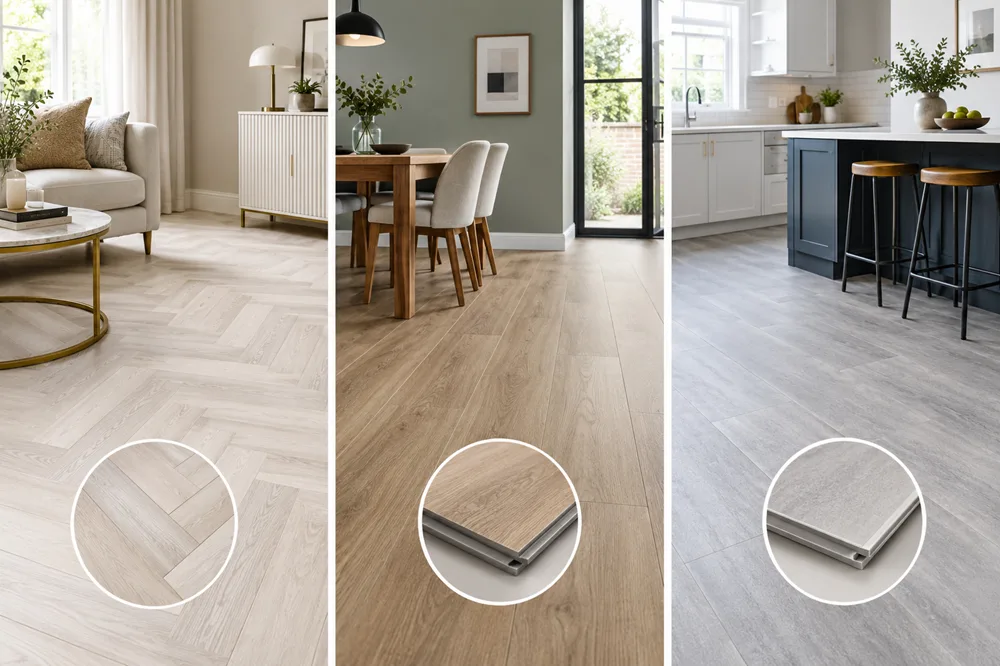
Choosing new flooring for a UK home is more than just spotting a lovely colour. It’s a bit about getting the right balance of durability, moisture resistance, day-to-day maintenance, comfort, how easy it is to install, and whether the floor really suits the room, as in the vibe. Lots of homeowners keep coming back to three options like white engineered herringbone flooring, WPC flooring, and SPC flooring in the UK.
They’re not the same at all. Engineered herringbone brings that classic, almost forever character, while WPC and SPC flooring in the UK feel like practical, sensible alternatives for busy modern households. But then the real question is, which one is actually right for your home?
To be honest, it depends on where the flooring is going and what matters most to you personally.
What makes White Engineered Herringbone Flooring a popular choice?
This white engineered herringbone flooring mixes the warm look of natural timber with the bold zigzag pattern people associate with herringbone. The pale, bright tone can make rooms feel more open, more contemporary, and more inviting overall.
Also, unlike traditional solid wood, engineered wood is made from multiple layers. That structure is meant to help with dimensional stability, so it behaves more consistently over time.
The timber surface still gives you genuine grain, texture, and that nice natural character you can’t really fake.
White or light-toned finishes tend to work especially well in places like:
- Living rooms
- Dining areas
- Bedrooms
- Hallways
- Open-plan interiors
- Homes with modern or Scandinavian styling
That said, engineered wood does need a bit more attention around moisture. It might not be the best answer in areas where water exposure is frequent or where spills happen all the time.
Is WPC flooring a practical choice for UK homes?
Yes, WPC flooring can be a pretty practical choice for a lot of UK homes, especially if you’re after that wood look but you do not want the same level of fuss. WPC, or Wood Plastic Composite flooring, is aimed at homeowners who want the appearance of timber with extra everyday practicality added, like a quiet upgrade.
In most cases, the construction is layered, often with a waterproof or at least strongly water-resistant core. That layer is the main reason it tends to work better in rooms where traditional wooden flooring might need more thought, like moisture control and careful cleaning habits.
You’ll usually see WPC flooring doing well in kitchens, utility areas, hallways, and family rooms, basically the spaces that get used the most. It’s also commonly described as more comfortable underfoot. That’s because the composite core can create a slightly softer feel compared with some rigid-core styles that feel more “hard”.
So if you want wood-effect flooring that’s easier to live with and that offers good moisture resistance, WPC can be a really attractive solution overall.
Why is SPC flooring becoming popular in the UK?
About SPC flooring becoming more popular in the UK, it makes sense. The number of SPC flooring UK searches has grown with the demand for durable, water-resistant options that can handle busy households and everyday messes.
This type of flooring uses a rigid core, made to help with dimensional stability and to resist normal wear over time. A lot of SPC planks and tiles also come with realistic wood-effect surfaces, so you can get a timber-inspired look without actually installing natural wood.
SPC flooring is often a strong match for places like
- Kitchens
- Bathrooms
- Hallways
- Utility rooms
- Rental properties
- Other high-traffic areas
Plus, because of the rigid build, it can feel quite stable underfoot, and many products are designed for relatively straightforward installation, which is one more reason people keep choosing it.
Which flooring is most suitable for different rooms?
For a formal living room or a bedroom, white engineered herringbone flooring can bring warmth, personality, and that premium natural appearance. It looks a bit more “crafted”, if that makes sense.
For a kitchen or busy family area, WPC flooring is often a useful middle ground between comfort, style, and moisture resistance, so it handles everyday life better.
For bathrooms, hallways, utility spaces, or places that see heavier traffic, SPC flooring can feel like a safer bet because of its rigid structure and water-resistant qualities.
Instead of picking just one flooring type for the whole house, maybe choose flooring step by step, based on what each space actually needs.
Is engineered herringbone better than WPC or SPC?
Not exactly. It’s not a simple winner thing, because these options are made for different priorities.
Engineered herringbone tends to shine when you want natural timber, real craftsmanship, visual character, and a timeless look. WPC and SPC, on the other hand, are more focused on performance, easier care, and coping with daily wear and tear.
So if appearance, authenticity, and real wood vibes are your priority, engineered herringbone may suit you better. If moisture resistance and durability are more important, then WPC or SPC might be the better match.
In the end, the right decision comes down to your lifestyle, not just the most expensive choice.
What should you consider before buying new flooring?
Before you go ahead and buy new flooring, there are a few things you might want to think about, just a bit.
First, room conditions like moisture exposure – is it a place where water tends to hang around?
- Then think about traffic levels, because a busy room with children, pets, or lots of regular visitors can really change what you should pick.
After that, appearance matters too—do you want genuine timber, or maybe you’d rather go for a wood-effect style that looks close enough?
- Maintenance is another one: how much cleaning, care, or careful upkeep are you comfortable with?
Comfort too: do you want something with a softer step or a firmer underfoot feel?
- Also, installation—make sure it’s compatible with whatever you already have, especially the subfloor situation, and whether underfloor heating is involved.
Finally, budget, but don’t just compare the price per square metre; check the total fitted cost instead – the whole mounted bill really.
FAQs
Is white engineered herringbone flooring suitable for every room?
It works especially well in living rooms, bedrooms, dining areas, and hallways. But because engineered timber is a bit more sensitive to moisture than truly waterproof flooring options; rooms with regular water exposure might need a different solution.
Is WPC flooring completely waterproof?
Most WPC products are made to give strong water resistance, but it’s still not the same across every brand. So, always check the manufacturer’s water resistance rating (and the fitting instructions) before you use it in places that are prone to damp.
Is SPC flooring suitable for UK kitchens?
Yes, SPC flooring is often chosen for kitchens, thanks to its rigid construction, durability, and water-resistant qualities. That said, you should still confirm the particular product is right, especially around areas where standing water can happen.
Which is better: WPC or SPC flooring?
Honestly, neither one is a universal winner. WPC can feel more comfortable underfoot, while SPC usually gives a firmer, more stable surface. Your space, your everyday routine, the amount of moisture it gets, and what you personally like should guide the decision.
So, which flooring should you choose?
There’s no single winner among these. Each one solves a slightly different need. Pick engineered herringbone flooring if you care about real timber character and that classic, enduring look. Go for WPC when you want comfort, practicality, and better moisture handling. Choose SPC flooring in the UK when durability, rigidity, and low-fuss upkeep are the main points.
Bottom line, the best flooring for a UK home is the one that fits the room, your lifestyle, your style choices, and the maintenance level you’re actually ready to provide.