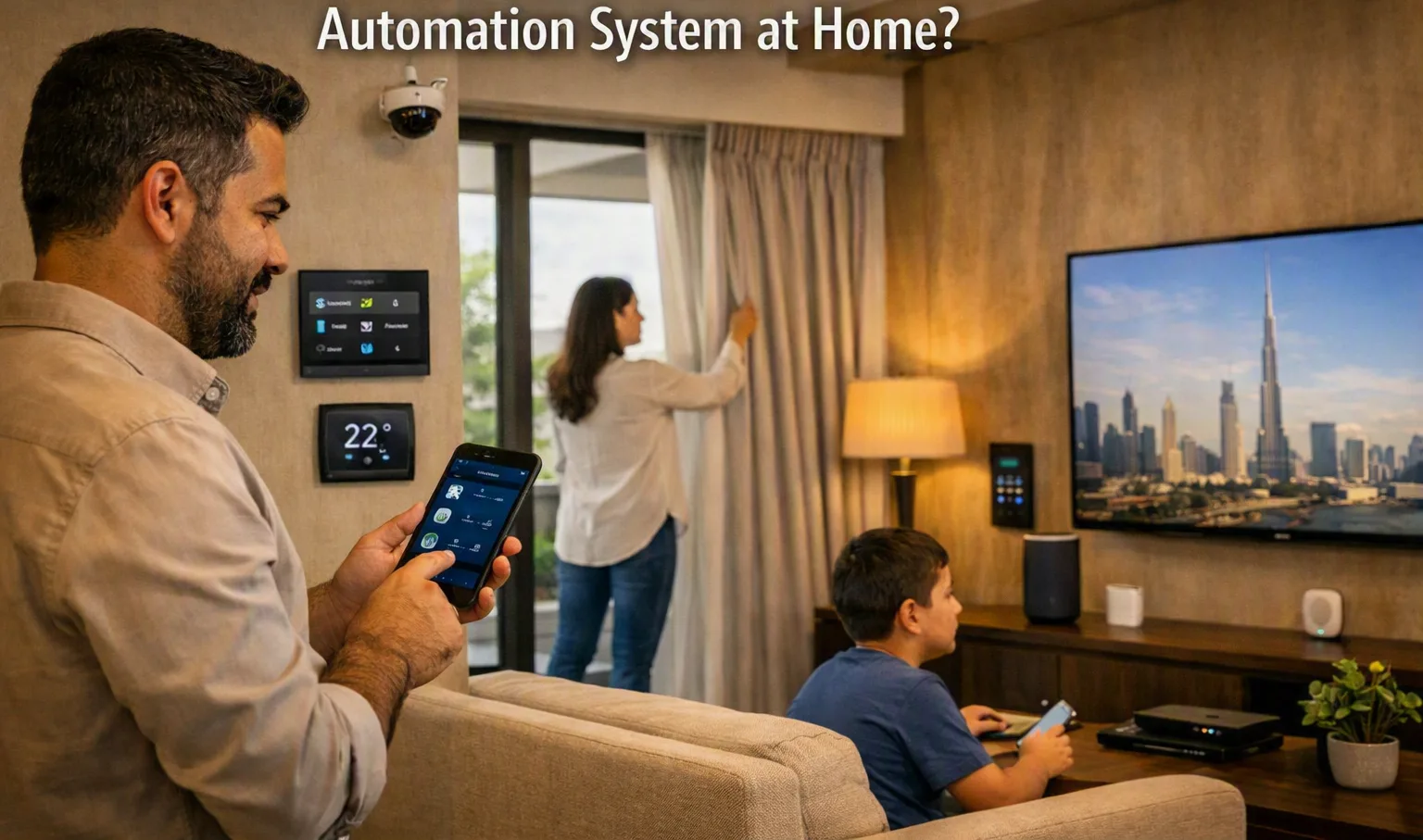
Home automation Dubai is becoming easier to understand as more people use connected devices in their houses. A home automation system allows different devices to work together through a phone, tablet, voice assistant, or a central control system. These devices can help with lighting, safety, comfort, energy use, and daily routines. The main benefit is that many simple tasks can be controlled from one place.
Smart Lighting
Smart lights are one of the most common devices used in home automation. They can be turned on or off with a mobile app, voice command, or automatic schedule. Some smart lights also allow users to change brightness and color.
Motion sensors can make lighting more useful. For example, lights can switch on when someone enters a room and turn off after the room is empty. This can be helpful in hallways, bedrooms, kitchens, and outdoor areas.
Smart Thermostats and Air Conditioning
Heating and cooling devices can also be connected to a home automation system. Smart thermostats can adjust temperature based on a set schedule or user preferences.
In places with hot weather, connected air conditioning controls can be useful. Users can change the temperature remotely, create daily schedules, and avoid running the system when no one is at home. Some systems can also work with sensors to help maintain a comfortable indoor temperature.
Smart Security Cameras
Security cameras are another common part of a connected home. Indoor and outdoor cameras can send live video to a smartphone or another screen. This allows users to check what is happening around the property when they are away.
Some cameras can detect movement and send alerts when unusual activity is noticed. Depending on the device, they may also include features such as night vision, two-way audio, and video recording.
Smart Door Locks
Smart locks can replace or support traditional door locks. They may be controlled through a mobile app, keypad, fingerprint reader, or other digital method.
These locks can also be connected to other home devices. For example, a door can be set to lock automatically at a certain time. Some systems can send an alert when the door is locked, unlocked, or left open.
Video Doorbells
A smart video doorbell combines a doorbell with a small camera. When someone approaches the door, the device can send an alert to a connected smartphone.
Many video doorbells allow people to see and speak with visitors without opening the door. This can be useful when someone is at work, traveling, or simply in another room.
Smart Plugs and Appliances
Smart plugs are a simple way to connect regular appliances to a home automation setup. Lamps, fans, coffee makers, and some other devices can be controlled through the plug.
Smart appliances can offer more direct control. Examples include smart refrigerators, washing machines, ovens, and robotic vacuum cleaners. Depending on the model, users may be able to start tasks, set schedules, or receive alerts through an app.
Smart Curtains and Blinds
Motorized curtains and blinds can also be connected to automation systems. They can open and close at set times or respond to certain conditions.
For example, blinds can open in the morning and close later in the day. They can also be linked with sunlight sensors to reduce strong sunlight entering a room. This may improve comfort and help control indoor heat.
Home Entertainment Devices
Televisions, speakers, streaming devices, and other entertainment equipment can be included in a connected home. A smart system can make it easier to control these devices from one interface.
For example, users can create a routine that turns on the television, adjusts the room lights, and lowers the curtains. Multi-room audio systems can also play the same music in different parts of the house.
Smoke, Water, and Safety Sensors
Not every smart device is designed for comfort. Safety sensors are also important. Smoke detectors, water leak sensors, gas detectors, and carbon monoxide sensors can provide alerts when a possible problem is detected.
A water leak sensor placed near a washing machine, kitchen sink, or water heater may send an alert before a small leak becomes a larger issue. These sensors can add another layer of awareness inside the home.
Motion and Door Sensors
Small sensors can connect many parts of a home automation system. Motion sensors can detect movement, while door and window sensors can show whether an entry point is open or closed.
These sensors can trigger other devices automatically. A motion sensor, for example, can turn on lights, while a door sensor can send an alert when a door opens at an unexpected time.
How These Devices Work Together
The real value of home automation comes from connecting different devices instead of using each one separately. A smart lock can work with lights, cameras, and security sensors. A thermostat can work with temperature sensors. Curtains can respond to sunlight, and lights can respond to movement.
Devices may communicate through technologies such as Wi-Fi, Bluetooth, Zigbee, Z-Wave, or other smart home standards. Compatibility is important because not every device works with every automation platform. Before adding several products, it is useful to check whether they can communicate with the same system.
As more homes use connected devices, Home automation Dubai systems can include everything from lighting and air conditioning to security sensors and entertainment equipment, making everyday home controls easier to manage.