Creating a practical and visually appealing backyard requires more than simply arranging seating and decorative pieces. A thoughtfully designed exterior area can enhance everyday living, support entertaining, and provide a comfortable space for relaxation year-round. Choosing the right outdoor furniture is often the first step, but the overall functionality of an outdoor space depends on several important design decisions working together.
Plan the Space Around Everyday Activities
A functional outdoor area begins with understanding how the space will be used most often. Every household has different needs, so the layout should reflect daily habits and lifestyle preferences.
Some homeowners may want an area dedicated to entertaining guests, while others prefer a quiet retreat for relaxing after work. Families often require flexible spaces that allow both seating and open areas for movement.
Planning around everyday use helps create a setup that feels practical rather than purely decorative.
Create Defined Zones for Better Organisation
One effective design strategy is dividing the outdoor space into clear functional zones. This approach helps the area feel more organised while improving usability.
Separate Dining and Relaxation Areas
Creating distinct spaces allows multiple activities to happen comfortably within the same backyard.
Examples include:
- Dining zones for meals and gatherings
- Lounge areas for relaxation
- Open sections for children or pets
- Garden spaces for visual balance
Defined zones make the outdoor area feel more purposeful.
Maintain Easy Movement Between Areas
Leave enough open space between each section to avoid a crowded layout. Smooth movement improves both comfort and convenience.
Choose Durable Materials for Long-Term Use
Australian weather conditions can place constant pressure on exterior furnishings and structural elements.
When selecting materials, durability should be a major consideration.
Reliable options often include:
- Aluminium frames for weather resistance
- Timber finishes for natural warmth
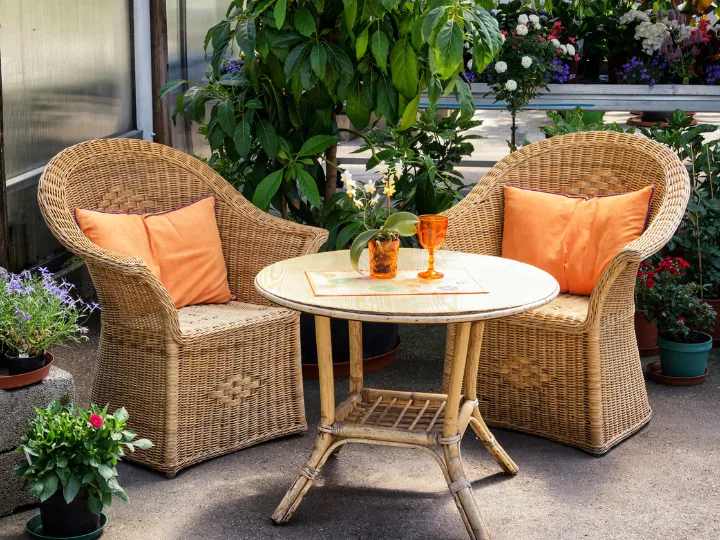
- Synthetic wicker for easy maintenance
- Stainless steel for long-term durability
- Outdoor fabrics designed for sun exposure
Choosing long-lasting materials reduces maintenance and helps preserve the overall appearance.
Include Smart Storage Solutions
Outdoor spaces become more functional when clutter is kept under control. Storage options help maintain a cleaner and more organised environment.
Practical Storage Ideas
Useful storage additions may include:
- Storage benches with hidden compartments
- Weatherproof cabinets for accessories
- Compact side tables with built-in storage
- Outdoor boxes for cushions and décor items
Well-placed storage makes everyday use much easier.
Use Shade and Weather Protection
A backyard should remain comfortable throughout changing weather conditions. Shade solutions make outdoor areas far more practical during warmer months.
Popular options include:
- Pergolas for permanent cover
- Adjustable umbrellas for flexibility
- Covered patios for year-round use
- Shade sails for modern styling
Protection from harsh sunlight allows outdoor spaces to be used more frequently.
Improve Functionality with Lighting and Décor
Lighting can significantly improve how practical an outdoor area feels during the evening.
Simple additions can enhance both appearance and usability.
Consider using:
- Soft pathway lighting
- Decorative lanterns
- Solar-powered garden lights
- Outdoor rugs for added comfort
- Potted plants for natural texture
Balanced styling makes the space feel complete while supporting daily use.
A functional outdoor space combines thoughtful planning, durable materials, practical layouts, and comfort-focused design choices. By creating defined zones, adding weather protection, improving storage, and incorporating lighting, outdoor areas become far more enjoyable and practical for everyday living. The best designs focus equally on style and functionality to create a space that remains useful throughout every season.
FAQs
1. Why should outdoor spaces be divided into separate zones?
Creating dedicated zones improves organisation and allows different activities such as dining, relaxing, and entertaining to happen more comfortably.
2. Which materials work best for long-term outdoor use?
Aluminium, stainless steel, synthetic wicker, and weather-resistant fabrics generally perform well in changing Australian weather conditions.
3. How does storage improve outdoor functionality?
Storage solutions help reduce clutter, protect accessories, and keep outdoor spaces looking organised and easy to maintain.
4. Why is shade important in outdoor design?
Shade structures improve comfort by reducing direct sun exposure and allowing the space to remain usable during warmer weather.
5. How can lighting make outdoor areas more practical?
Lighting extends usability into the evening while also improving safety, atmosphere, and overall visual appeal.