
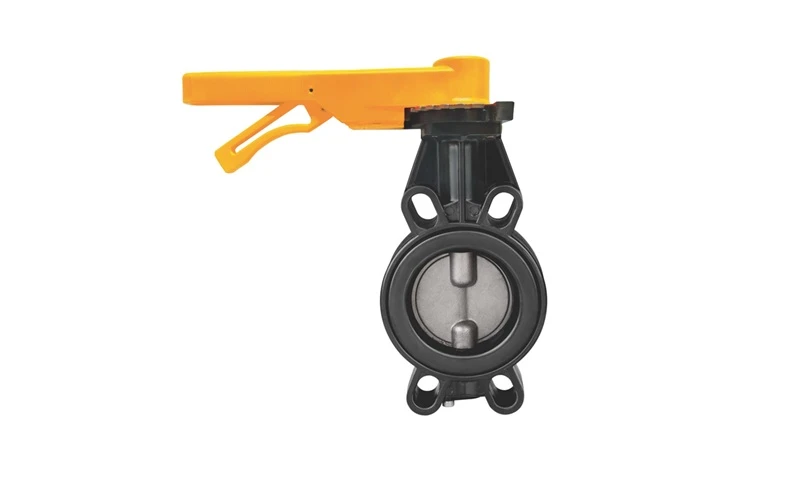
A steady water flow can look effortless when it’s done right. But behind that calm stream, there’s a whole setup working quietly. The pumps, filters, pipes, and one small but crucial part, the butterfly valve. It doesn’t look like much, yet it controls how smoothly everything runs.
Why Valves Really Matter ?
Water doesn’t always behave the way you expect it to. One moment the pressure’s fine, the next it’s dropped or surged for no clear reason. That’s where valves come in. They keep things steady and stop the system from going out of balance.
Without a valve doing its job, too much water can rush through, pipes can strain, and pumps have to work harder than they should. Over time, that means more wear, more energy use, and more headaches for the farmer.
Among all the options, the butterfly valve tends to be the practical choice. It’s compact, easy to use, and does the job without fuss. A quick turn of the handle is usually all it takes to get the flow just right.
Understanding the Butterfly Valve
When you open a butterfly valve, a flat disc inside turns along with the handle. As it turns in line with the pipe, water flows freely through; turn it sideways, and it slows or stops the flow. That simple movement is what gave the valve its name. Turn it sideways, and the flow slows or stops.
It’s a simple idea that works surprisingly well. The design doesn’t need much space, it’s easy to maintain, and it suits almost every kind of irrigation system, from greenhouse lines to large farm networks. Still, not every model works the same way. The right butterfly valve type depends upon your setup, how much pressure the line carries, and the quality of water that runs through it.
Plastic Wafer Type Butterfly Valve
For small setups or everyday farm use, the Plastic Wafer Type Butterfly Valve is a simple, reliable choice. It’s light because it’s made of U-PVC, easy to fit in place, and doesn’t rust even after long use. Farmers like it because it doesn’t need much maintenance.
The disc design helps reduce pressure loss, which means the water doesn’t struggle to pass through. That also means less strain on the pump, which is something you only appreciate once you’ve had one overheat.
This butterfly valve type fits nicely into systems that don’t run on very high pressure, like sprinklers, drip systems, or medium-size field lines. It’s especially handy when space is limited since it can be installed even between closely packed pipes.
Hybrid Wafer Type Butterfly Valve
Then there’s the Hybrid Wafer Type Butterfly Valve, which steps up the game. It’s a mix of strong PVC and stainless steel; a combination that makes it both flexible and sturdy. The disc, made from SS304 or SS316, resists corrosion and holds up well under pressure.
This valve isn’t just built for strength; it’s built for control. There’s a lock plate that lets you adjust the flow more precisely, with notches every 15 degrees. You can open it halfway, quarter-way, or just a crack, which helps when different parts of the farm need different water levels.
It’s the kind of valve you’d choose if your irrigation setup handles high pressure, or if you’re using treated or recycled water. The mix of materials also makes it suitable for places where both water and mild chemicals are used.
Choosing the Right Valve for Your System
Picking the right valve isn’t just about size or cost. It’s about knowing your water and your setup. A valve for drip irrigation needs to control small, steady flows with precision. It doesn’t face extreme pressure, but it can’t afford even a small leak. On the other hand, valves used in high-volume field irrigation must handle more force and keep performance consistent across large areas.
If your water has sediments or fluctuating pressure, look for valves with smooth internal design and tight shut-off. They prevent backflow and reduce the risk of water hammer (a sudden jolt that can damage pumps or crack pipes).
Automat designs its valves with those realities in mind. Their focus is on helping farmers maintain steady flow and protect equipment without adding extra complexity. Whether it’s their plastic wafer valve or the hybrid model, both are meant to perform well in the kind of rough, day-to-day conditions farmers actually deal with.
The Little Details That Make a Big Difference
Maintenance is one of those things that can’t be avoided, but a good valve makes it simpler. The butterfly valve is easy to clean, and its parts are accessible without dismantling the whole setup. For plastic versions, the biggest task is checking for debris buildup now and then. For hybrid ones, a quick look at the seals and the disc is usually enough.
They’re built to last, but even so, keeping an eye on how the handle moves or whether the seal feels stiff helps catch issues before they grow. Most farmers find that a small bit of care each season keeps their system running smoother through the year.
Efficiency That Pays Off
Good irrigation is all about balance. Too much water and the soil loses nutrients. Too little and the plants don’t grow well. A well-chosen butterfly valve type helps keep that balance. It maintains the right flow, saves energy, and protects every part of the irrigation network.
Even the pump benefits when the flow is steady, it doesn’t have to work as hard. That translates into lower energy use, fewer repairs, and less downtime during the season.
Wrapping It Up
The butterfly valve is a small, simple, and often unnoticed element, without which water control wouldn’t be half as efficient. Automat’s range of butterfly valves brings that reliability to the field. Designed for real-world use, they make managing water easier and more precise.