Halloween Day falls on October 31, and plenty of California homes are already swapping bright lamps for something moodier. Deep plum silk, black fringe, and a warm glow can change a room without a single plastic skeleton.
Here is the catch: a good shade starts with the frame, not the fabric. The right lamp shade frames give the cloth a sturdy shape that holds up long after the decorations go back in the box.
This guide covers how to pick custom Victorian wire frames, what to expect when you order, and how to turn them into decorative lamp shades for your home.
One honest note: frames are built to order and ship in 3 to 5 weeks, so an order placed today will not arrive before this Halloween Day. Plan ahead for next year, or use the wait to design a winter lamp.
Why Do Wire Frames Matter for a Halloween Day Lamp Project?
A frame sets the shape, the size, and how the shade sits on the lamp. Fabric and trim only look right when the structure underneath is right.
A ready-made shade is a finished product, so you get what is on the shelf. A bare wire frame lets you choose the shape and cover it yourself. That means you can match a Halloween Day lamp décor idea, such as burnt orange, charcoal, or deep burgundy, to a lamp you already own.
Seasonal looks also change fast. A sturdy frame can be stripped and recovered later, so the same shade can move from fall colors to winter colors.
What Makes a Victorian Wire Frame Different?
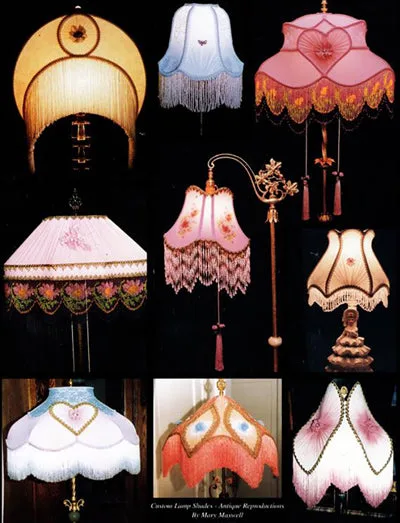
Victorian style lampshade frames usually have a fuller, more shaped profile than a plain drum. Think bell shapes, scalloped bottoms, and tiered lines made to carry gathered silk, pleats, and fringe.
The Victorian Lampshade Frame Catalog at Lamp Shade Lady shows page after page of these styles. Each frame is custom built as ordered, so you can flip through the pictures and pick the profile that suits your lamp.
That makes it a handy starting point if you want a handmade silk lampshade instead of a mass-produced one.
How Do You Pick the Right Frame Size and Shape?
Start with the lamp, not the frame. A common guideline says the shade should be about two-thirds the height of the lamp body and at least as wide as the widest part of the base.
Then check three things:
- Top and bottom diameter: both should suit the scale of the lamp.
- Slant height: this controls how much of the bulb and socket stays hidden.
- Fitting type: ask whether your lamp needs a spider fitting or an uno fitting.
When you shop for lamp shade frames, write these numbers down before you contact the shop. It saves back-and-forth later.
What Should You Know Before Ordering Custom Frames?
Here is how ordering works at Lamp Shade Lady, based on the catalog page:
- Every frame is custom built as ordered.
- There is a 3 frame minimum.
- Frames are ready to ship in 3 to 5 weeks.
- Pricing comes through the shop directly, and prices run $3 to $5 higher than what the website shows.
- No payment is collected until your order is ready. Then you get an itemized PayPal invoice and a photo of the shipping label with tracking.
Because of the 3 frame minimum, many buyers make a set: a pair for bedside lamps and one for a hallway console.
Mary builds each frame to order, which makes her catalog a practical source of Unique Lamp Shade Frames for Decorative Lamp Shades. Use the contact page to ask about sizes, fittings, and current pricing.
Which Fabrics and Trims Suit a Halloween Day Look?
Pick fabric first, then trim. Silk shantung and dupioni hold a gathered shape well and glow nicely when lit. Moody colors like plum, black, forest green, and rust fit a Halloween Day theme without looking like a costume.
For trim, try black fringe, beaded fringe, or a velvet ribbon band along the bottom edge. The lampshade kits and lampshade supplies collections cover many of these extras.
Good decorative lamp shades balance fabric weight, trim, and light.
Safety matters too. Use a warm white LED bulb that fits the fixture’s rating, since LEDs run cooler than incandescent bulbs. Keep paper decorations and fake cobwebs well away from the shade.
How Do You Build a Shade From a Bare Frame?
The basic order is similar for most frames:
- Wrap the top and bottom rings in cotton twill tape so glue or stitches have something to grip.
- Make a paper pattern from the frame to size your fabric.
- Pin the fabric on, keeping the grain straight.
- Stitch or glue the seam and trim the extra.
- Add a liner for soft, even light.
- Finish the top and bottom edges with trim or fringe.
Gathered Victorian shades take more patience. Mary’s how-to videos walk through the details step by step.
Where Can Beginners Learn Lampshade Making?
Mary teaches the craft from Roseville, California, and the site offers a how-to video collection for people who prefer to learn at home. The about page shares her background, and the FAQs page answers policy and shipping questions.
Have a question about your lamp? Send it before you order a set of frames.
FAQs
1. What is a wire lampshade frame?It is the metal skeleton that gives a shade its shape. Fabric, liner, and trim attach to it.
2. How many frames do I have to order?
The catalog has a 3 frame minimum. Many buyers order a matching set.
3. How long does a custom frame take?
Frames are built to order and ready to ship in 3 to 5 weeks.
4. When do I pay?
Payment is not collected until your order is ready. Then you receive an itemized PayPal invoice.
5. Where do I find pricing?
Pricing is not listed on the catalog page, so send a message through the contact page. Prices are $3 to $5 higher than shown on the website.
6. Can a beginner use these frames?
Yes. Start with a simple shape and follow the how-to videos for the sewing and gluing steps.
7. What fabric works best for a Halloween Day shade?
Silk shantung or dupioni in deep colors like plum, rust, or black holds its shape and glows when lit.
8. Which bulb is safe for a fabric shade?
Use a warm white LED within the fixture’s wattage rating, and keep the fabric clear of the bulb.
9. How do I measure my lamp for a new shade?
Measure the base at its widest point, the height of the lamp body, and note the fitting type. Compare those numbers with the frame’s top, bottom, and slant height.
10. Does the shop ship outside California?
The store lists the United States and Canada as shipping regions. Confirm your address when you contact the shop.