A car engine is the heart of the vehicle. When major engine wear appears, owners often face a key choice: rebuild the existing engine or replace it with another unit. A rebuild restores key internal parts while keeping the original engine block. A replacement brings in another engine. Each route has a place, depending on engine condition, vehicle value, budget, and long-term plans. A skilled engine rebuild shop in Grand Rapids can inspect the engine and explain which option fits the vehicle best.
What Does an Engine Rebuild Involve?
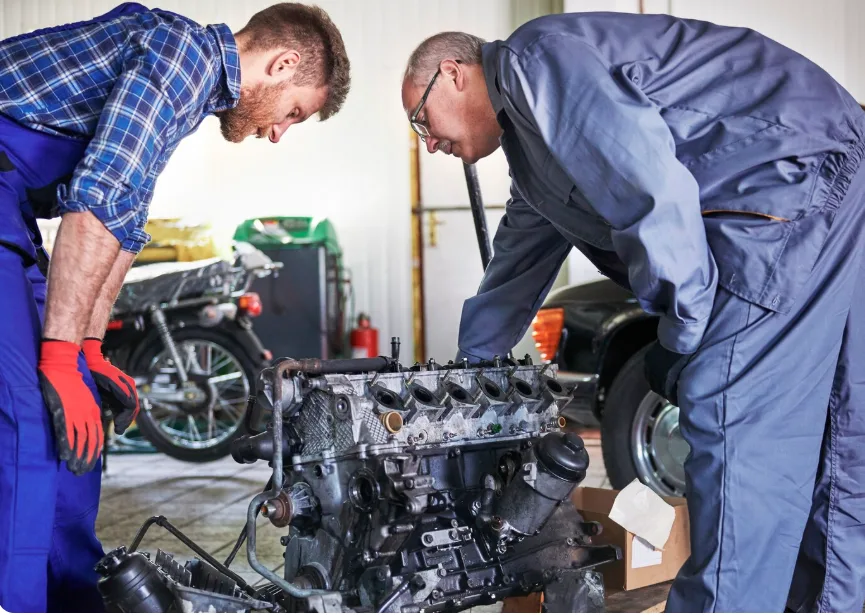
An engine rebuild starts with a full inspection and teardown. A technician removes the engine from the vehicle, opens it up, and checks its internal parts. The shop measures parts such as the cylinders, crankshaft, pistons, bearings, and valve components.
The rebuild process often includes:
- Cleaning the engine block and internal parts
- Measuring cylinders and other key surfaces
- Replacing worn bearings, seals, and gaskets
- Installing new piston rings when needed
- Inspecting or replacing pistons
- Servicing the cylinder head
- Checking the crankshaft
- Reassembling the engine to proper specifications
The exact work depends on the engine's condition. A proper rebuild focuses on restoring sound mechanical function rather than replacing every part without reason.
What Signs Suggest an Engine Rebuild?
A detailed inspection should guide the decision. Certain signs of engine damage deserve prompt attention and a complete mechanical assessment.
Common signs include:
- Low compression in one or more cylinders
- Heavy oil consumption
- Blue or unusual exhaust smoke
- Knocking or tapping sounds from the engine
- Loss of engine power
- Excessive blow-by
- Metal particles in engine oil
- Poor oil pressure
- Overheating linked to internal engine wear
These signs do not point to one repair in every case. A compression test, leak-down test, oil pressure test, and visual inspection give technicians useful information about the engine's internal condition.
When Does Rebuilding Make More Sense Than Replacement?
The answer depends on what the inspection reveals. When to rebuild a car engine becomes easier to determine after technicians measure the major components and assess the engine block.
A rebuild often makes sense when the engine block and major components remain suitable for restoration. For example, an engine with worn piston rings, bearings, seals, or valve parts could benefit from a rebuild. The technician replaces the affected components and restores the engine to proper working specifications.
Vehicle value matters, too. A well-kept vehicle with a strong body, good transmission, and sound electrical system could justify an engine rebuild. Keeping the original engine can preserve the vehicle's existing setup and known specifications.
How Does Vehicle Condition Affect the Choice?
The engine does not work alone. Other vehicle systems deserve a close look before making a major repair decision. Consider these areas:
Transmission
A strong transmission gives the rebuilt engine a solid partner. Technicians should check transmission operation, fluid condition, and service history.
Cooling System
The radiator, water pump, thermostat, hoses, and cooling fans all affect engine temperature. Proper cooling matters after an engine rebuild.
Electrical System
The starter, alternator, battery, sensors, and wiring should match the needs of the vehicle and rebuilt engine.
Vehicle Body and Chassis
A sound body and chassis add value to a rebuild project. A vehicle with good structure and a strong service history can provide a better foundation for long-term ownership.
What Role Does the Engine Block Play?
The engine block is one of the most important parts in a rebuild decision. A technician checks it for wear, cracks, cylinder condition, and proper dimensions.
If the block meets required specifications, the shop can machine or restore specific surfaces as needed. The technician then selects replacement components based on measured dimensions.
This careful process separates a professional rebuild from a simple parts swap. Car engine rebuilders in Grand Rapids use inspection and measurement to determine which parts require replacement and which parts remain suitable for continued use.
What Should You Compare Before Choosing Replacement?
An engine replacement brings a different set of considerations. The replacement unit must match the vehicle's make, model, engine type, computer system, transmission setup, and emissions equipment.
Before choosing a replacement, compare:
FactorEngine RebuildEngine ReplacementOriginal engineRetainedReplacedInternal partsInspected and restoredComes with replacement unitFitmentBased on existing engineRequires correct engine matchParts selectionBased on inspectionBased on replacement unitProject scopeDepends on engine conditionDepends on replacement engineA rebuild gives the technician direct knowledge of the engine's internal parts. A replacement requires careful research into the replacement unit's specifications and history.
How Does a Professional Shop Evaluate the Engine?
A proper diagnosis starts with testing. Technicians review symptoms, inspect the engine, and use diagnostic equipment to identify the source of the concern.
A car engine repair shop in Grand Rapids can perform tests such as compression testing, leak-down testing, oil pressure testing, and computer diagnostics. These checks provide useful data before major engine work begins.
The technician then reviews the findings with the vehicle owner. A clear estimate should outline the planned work, parts, machining needs, labor, and expected project scope.
What Should You Ask an Engine Rebuild Shop?
Good questions lead to better decisions. Before approving a rebuild, ask the shop:
- Which internal parts require replacement?
- Does the engine block meet rebuild specifications?
- Will machining be required?
- Which new components will the rebuild include?
- What testing will follow assembly?
- What warranty applies to the completed work?
- How will the shop document the rebuild?
Clear answers give owners a better view of the project from start to finish.
How Do You Know When a Rebuild Fits Your Vehicle?
The right choice depends on the full vehicle, not just the engine. A vehicle with a strong transmission, solid body, useful features, and a reliable service history could provide a good foundation for a rebuilt engine.
The long-term plan matters as well. Owners who plan to keep a vehicle for years should compare the rebuild cost with the value and condition of the entire vehicle.
Signs of engine damage should prompt an inspection rather than an immediate decision. A qualified technician can determine whether internal parts, the engine block, or related systems need attention.
What Makes a Quality Engine Rebuild Valuable?
A quality rebuild follows measured specifications and uses suitable replacement parts. The technician cleans the components, checks clearances, replaces required parts, and assembles the engine with care.
A proper break-in process follows the rebuild. Fresh fluids, correct operating temperatures, and scheduled service all contribute to good engine care.
Final Thought
Choosing between an engine rebuild and replacement starts with accurate testing. A rebuild makes sense when the original engine provides a sound foundation for restoration. Replacement offers another route when a different engine fits the vehicle and project goals.
The best decision comes from detailed measurements, clear cost comparisons, and a review of the entire vehicle. Experienced car engine rebuilders in Grand Rapids can explain the condition of the engine and outline the work needed. With the right information, vehicle owners can choose an engine solution built around their vehicle's condition, driving needs, and long-term plans.