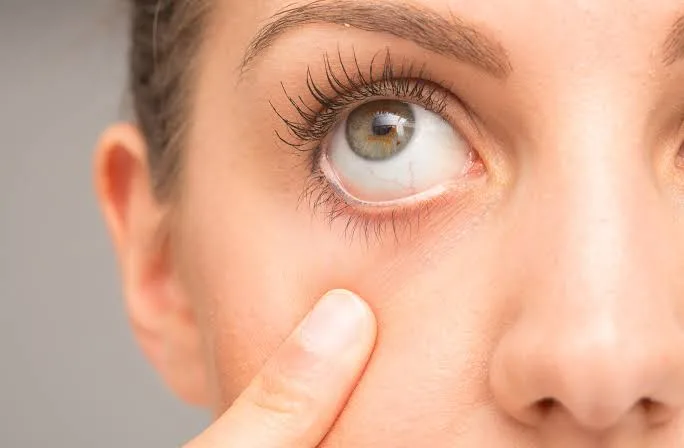
Dry, gritty, red or watery eyes are something most of us brush off from time to time. A late night staring at a screen, a windy walk, or a poor night's sleep can leave your eyes feeling tired and uncomfortable — and usually, it passes. But when that discomfort becomes a daily companion rather than an occasional nuisance, it's worth asking a more serious question: is this just eye strain, or is it dry eye disease?
Knowing the difference — and knowing when to book a proper dry eye consultation — can save you months of unnecessary discomfort and, in some cases, protect your long-term eye health. This guide explains what dry eye actually is, the warning signs you shouldn't ignore, and what to expect when you finally see a professional about it.
What Is Dry Eye, Really?
Dry eye isn't simply a lack of tears. Your tear film is a finely balanced mixture of water, oils, and mucus that keeps your eyes lubricated, nourished and protected from infection. When any part of that balance goes wrong — whether your eyes don't produce enough tears, or the tears you do produce evaporate too quickly — the surface of your eye becomes irritated and inflamed.
This is why dry eye can feel confusingly contradictory. Many people with dry eye disease actually complain of watery eyes, because the eye overproduces poor-quality reflex tears to compensate for the underlying dryness. It's one of the reasons the condition is so often misunderstood, and why home remedies like generic eye drops sometimes fail to help.
Common Symptoms People Ignore for Too Long
Dry eye tends to creep up gradually, which is exactly why so many people wait too long before seeking help. Watch out for:
- A persistent gritty, sandy or burning sensation
- Redness that doesn't fully settle, even with rest
- Sensitivity to light, wind or air conditioning
- Blurred vision that improves when you blink repeatedly
- Eyes that feel tired or heavy by mid-afternoon
- Watering eyes, especially outdoors or in the cold
- Difficulty wearing contact lenses for as long as you used to
- A sensation of something being "stuck" under the eyelid
If one or two of these sound familiar on an occasional basis, it's probably nothing to worry about. But if several of them are showing up most days, your eyes are telling you something.
So, When Should You Actually See an Optician?
There's no need to wait until symptoms become unbearable. As a general rule, it's time to book a dry eye consultation if:
1. Symptoms last longer than two weeks. Short-term irritation from allergies, a cold, or a dry environment usually resolves on its own. Dryness that persists for weeks — despite rest, hydration and over-the-counter drops — points to an underlying issue that needs proper assessment.
2. Over-the-counter drops aren't helping. Artificial tears can mask symptoms, but they don't treat the root cause. If you're reaching for drops multiple times a day and still feel uncomfortable, it's a sign the problem needs more than a quick fix.
3. Your vision is affected. Dry eye can cause fluctuating, blurry vision, particularly when reading, driving or using a screen. If your eyesight seems to worsen throughout the day and then improve after blinking or resting, this is a classic dry eye symptom worth investigating.
4. You wear contact lenses and they're becoming uncomfortable. Increasing lens discomfort, shorter wearing times, or needing to remove your lenses earlier than usual are all reasons to get your eyes properly assessed rather than simply switching brands.
5. You have red, swollen or crusty eyelids. This can indicate blepharitis or meibomian gland dysfunction — two of the most common underlying causes of dry eye — both of which respond well to targeted treatment.
6. You've noticed a pattern with medication, menopause or health changes. Certain medications (antihistamines, antidepressants, blood pressure tablets), hormonal changes, autoimmune conditions such as Sjögren's syndrome, and even diabetes can all contribute to dry eye. If you've started new medication or are going through a significant health change and your eyes have changed too, it's worth mentioning to your optician.
7. You've had eye surgery. Dry eye is a common temporary — or occasionally longer-term — side effect after procedures like LASIK or cataract surgery. Any post-surgical dryness that doesn't settle as expected should be checked.
In short: if dry eye symptoms are affecting your daily comfort, your vision, or your quality of life, don't wait it out. Earlier assessment generally means simpler, faster dry eye treatment.
What Happens During a Dry Eye Consultation?
A proper dry eye assessment goes well beyond a standard sight test. At Robin Hall Opticians, a dry eye consultation typically involves:
- A detailed symptom history — when your symptoms started, what makes them better or worse, your medical history, medications, and lifestyle factors like screen use or contact lens wear.
- Tear film assessment — measuring the quantity and quality of your tears, and how quickly your tear film breaks down.
- Evaluation of the meibomian glands — the tiny oil-producing glands along your eyelids that are responsible for around 86% of dry eye cases when they become blocked or dysfunctional.
- Examination of the eye surface — checking for inflammation, staining patterns, or damage to the cornea and conjunctiva.
- Eyelid health check — looking for signs of blepharitis or other lid margin problems that contribute to dryness.
This thorough approach means the underlying cause is identified, rather than simply treating the symptoms with a bottle of drops and hoping for the best.
What Dry Eye Treatment Actually Involves
The right dry eye treatment depends entirely on what's causing your symptoms, which is exactly why a proper diagnosis matters. Treatment options may include:
- Preservative-free lubricating drops or gels, tailored to your specific type of dry eye rather than a generic, off-the-shelf product.
- Warm compress and lid hygiene routines to unblock meibomian glands and improve oil flow into the tear film.
- In-practice treatments, such as targeted lid cleansing or gland expression, for more stubborn cases.
- Advice on environmental and lifestyle changes — screen breaks, humidifier use, adjusting airflow from car vents or fans, and hydration.
- Nutritional guidance, including omega-3 supplementation, which has been shown to support tear film quality.
- Reviewing medications or contact lens habits that may be contributing to the problem, sometimes in consultation with your GP.
- Referral for further investigation in more complex cases, such as suspected autoimmune conditions.
Most people see a genuine improvement once the correct combination of treatments is in place — the key is getting an accurate diagnosis first, rather than guessing.
Can Dry Eye Be Prevented?
While not every case of dry eye can be avoided — some causes, like ageing or hormonal changes, are outside our control — there's plenty you can do to reduce your risk:
- Follow the 20-20-20 rule when using screens: every 20 minutes, look at something 20 feet away for 20 seconds.
- Blink fully and consciously, especially during concentrated screen work.
- Stay well hydrated throughout the day.
- Use a humidifier in dry or heated indoor environments.
- Remove eye make-up thoroughly and maintain good eyelid hygiene.
- Wear wraparound sunglasses in windy or bright conditions.
- Have regular eye examinations, even if you're not experiencing symptoms — early changes are often picked up before they become bothersome.
Frequently Asked Questions
- Is dry eye a permanent condition?
For many people, dry eye is manageable rather than curable, particularly when it's linked to ageing or chronic conditions. With the right treatment plan, most people achieve good long-term comfort and control.
- Can I just use eye drops from the pharmacy instead of seeing an optician?
Over-the-counter drops can help mild, occasional dryness, but they won't address an underlying cause such as blocked meibomian glands or blepharitis. If symptoms persist beyond a couple of weeks, a professional dry eye consultation is the better route.
- Does screen time actually cause dry eye?
Screen use itself doesn't cause dry eye, but it significantly worsens symptoms. We blink far less often when concentrating on a screen, which speeds up tear evaporation and increases irritation.
- Is dry eye more common as you get older?
Yes. Tear production naturally decreases with age, and hormonal changes — particularly around menopause — are strongly linked to dry eye symptoms in women.
- How long does dry eye treatment take to work?
This varies by cause and severity, but many people notice improvement within a few weeks of starting a tailored treatment plan, with continued improvement over subsequent months.
Final Thoughts
Dry eye is one of the most common — and most commonly overlooked — reasons people struggle with everyday eye comfort. The good news is that it's also one of the most treatable, provided it's properly diagnosed rather than managed with guesswork.
If your eyes have been feeling tired, gritty, red or unpredictable for more than a couple of weeks, don't wait for it to get worse. Book a dry eye consultation with the team at Robin Hall Opticians, where a thorough assessment and a personalised dry eye treatment plan can help you get back to comfortable, clear vision.