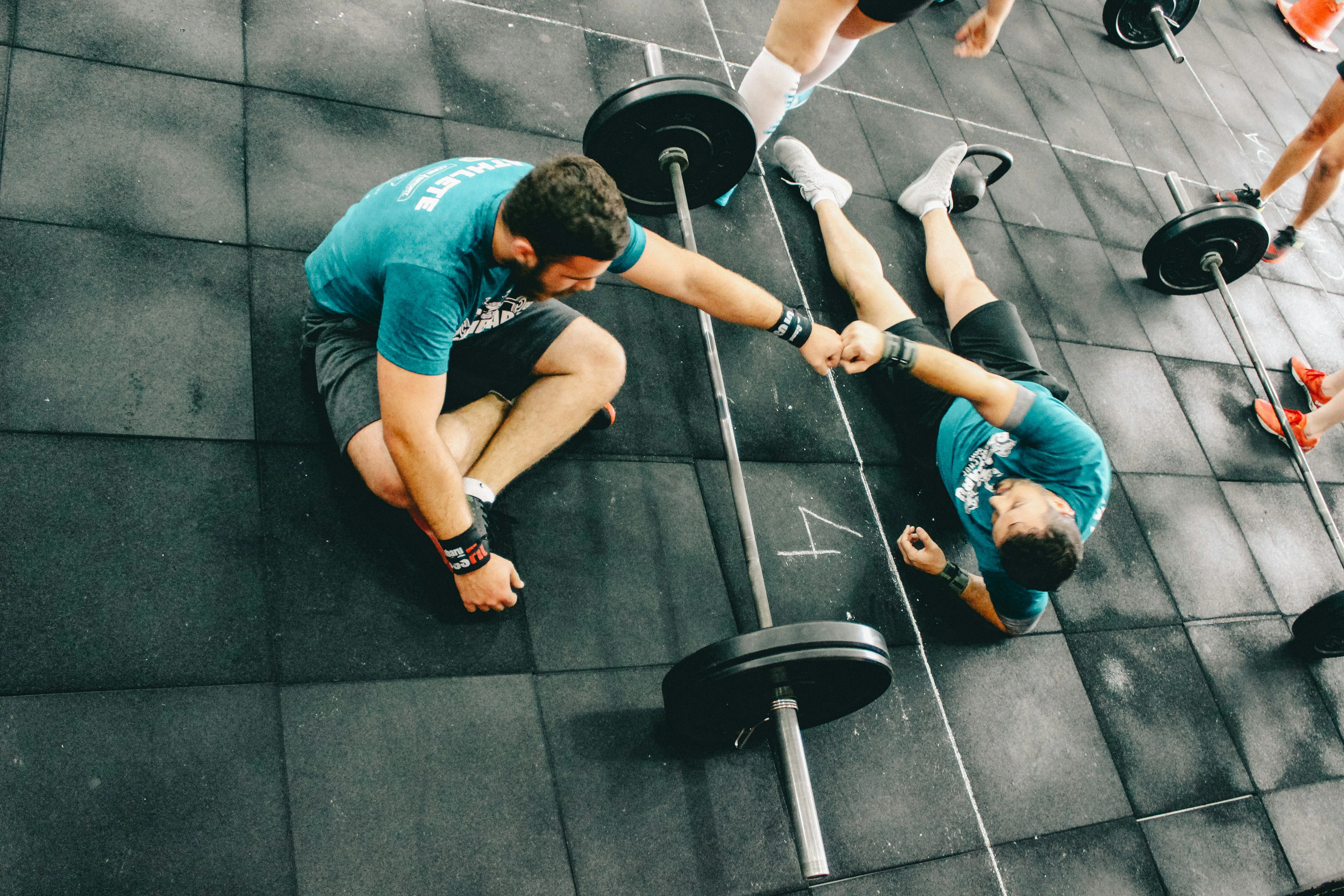
Athletes learn to notice changes in how their bodies move. A shoulder that feels restricted, recurring neck tension after training, or discomfort that alters the way someone walks or exercises can be more significant than ordinary post-workout soreness.
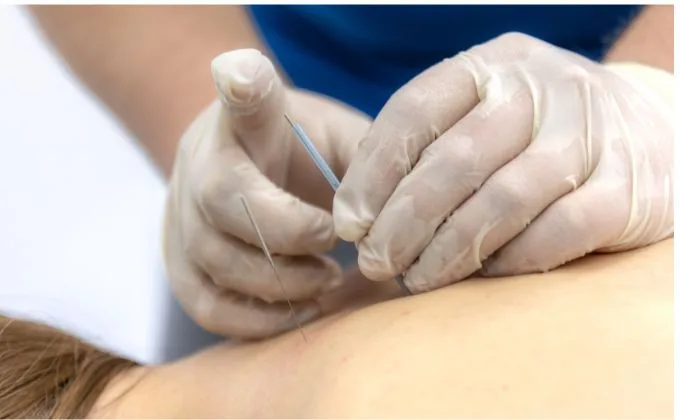
Repetitive activity, previous sports injuries, and ongoing physical demands can affect how muscles function together. For athletes, weekend warriors, and active adults experiencing these concerns, Sports Acupuncture in New York City can be considered as part of an individualized approach to sports and musculoskeletal care.
When Muscle Pain Keeps Returning?
Soreness after a demanding workout is common. Pain or dysfunction that repeatedly returns deserves more attention. If the same area becomes tight, uncomfortable, or difficult to use normally despite changes in activity, it may be useful to look beyond the immediate sensation of pain.
At Acupuncture Bodywork PC, Dr. Maureen Tetelman specializes in sports, orthopedic, and musculoskeletal conditions associated with pain and dysfunction. Her practice includes athletes, weekend warriors, and people experiencing chronic pain, with treatment focused on helping relieve discomfort and supporting appropriate muscular function.
For an active person, knowing where something hurts is only part of the picture. How muscles are functioning together and whether an imbalance has developed can also influence movement and comfort.
When an Old Sports Injury Still Affects Movement?
A sports injury can remain relevant even after the initial pain has improved. An athlete may return to regular activity while unconsciously compensating for an area that still feels restricted, weak, or uncomfortable.
The patient experiences shared by Acupuncture Bodywork PC include sports injuries and physical wear and tear associated with an active lifestyle. Patients have described seeking acupuncture following sports injuries and continuing treatment as part of recovery from regular exercise and normal physical demands.
This can matter when an athlete wants to remain active without simply ignoring lingering discomfort. Addressing ongoing dysfunction may be an important part of maintaining comfortable movement.
When Muscles Do Not Seem to Be Working Together?
Pain is not always the first indication that something needs attention. An athlete may notice that one side feels tighter than the other, a familiar movement feels different, or a stride has changed.
The Acupuncture Bodywork PC website specifically describes treatment for sports and musculoskeletal conditions with a focus on helping muscles fire appropriately and creating better balance in a person's stride. That emphasis makes acupuncture relevant to athletes who are concerned with muscular function as well as pain.
Running, climbing, skiing, hockey, and athletic training all place repeated demands on particular muscle groups. Patient experiences on the website reflect this range of activities, including climbing, hockey, skiing, and regular athletic training.
When Exercise Creates Ongoing Wear and Tear?
Exercise challenges the body, but repeated physical demands can also create accumulated strain. This can happen to professional athletes, recreational athletes, and people who exercise intensely in their free time.
The term weekend warrior describes an important group of active adults who may participate in demanding sports without training professionally. Acupuncture Bodywork PC specifically identifies weekend warriors among the people Dr. Tetelman treats.
For these individuals, acupuncture may be considered as part of a broader approach to physical care. It does not replace proper training, rest, rehabilitation, or medical assessment when an injury requires evaluation.
When an Athlete Wants Individualized Care?
Every athlete places different demands on the body. A climber may experience one pattern of muscular tension, while a hockey player, skier, runner, or strength-training enthusiast may develop another.
Individualized care allows those differences to be considered. Dr. Maureen Tetelman has been a holistic healthcare provider since 2001. She holds a Doctorate and Master's in Acupuncture, is licensed in New York, and is nationally board certified through NCCAOM. She is also a Nutritional Therapy Consultant and Certified Massage Therapist.
Her training includes Acupuncture Physical Medicine, Japanese-style acupuncture, and Traditional Chinese Medicine. This broader background supports the practice's integrative approach to individual care.
When Recovery Becomes Part of Maintenance?
Some athletes seek treatment only after pain interferes with activity. Others consider acupuncture as part of ongoing physical maintenance.
Patient experiences at Acupuncture Bodywork PC include people seeking care after sports injuries as well as individuals dealing with exercise-related wear and tear. Testimonials also reference athletic training, climbing, hockey, skiing, shoulder problems, and neck tension.
These are individual experiences rather than promises of a particular outcome. They do, however, show why acupuncture may appeal to active people who want to pay attention to their bodies before discomfort becomes more disruptive.
What About Topical Pain-Relief Options?
Acupuncture is one approach athletes may consider when dealing with muscle pain and dysfunction, but some people also explore topical products for localized physical comfort. These products are separate from acupuncture treatment and may be used as part of an individual's broader approach to managing everyday muscle discomfort.
For those searching for a pain relief stick CBD clinic in New York City, Acupuncture Bodywork PC offers CBD CLINIC™ PAIN STICK LEVEL 5: PRO SPORT, a topical product listed among the practice's products. The practice also offers a larger 200g version of the product. These topical options are distinct from acupuncture and should not be viewed as a replacement for professional evaluation or treatment when an injury or persistent pain requires care.
For athletes, understanding the difference between acupuncture, bodywork, and topical products can make it easier to choose options that fit their individual needs and circumstances.
Acupuncture as Part of Musculoskeletal Care
Athletes should not dismiss significant or unexplained pain simply because physical discomfort is familiar. An acute injury, persistent limitation, or sudden change in function may require evaluation by an appropriate healthcare professional.
Acupuncture can instead be considered as part of a broader approach to sports and musculoskeletal concerns. At Acupuncture Bodywork PC, the focus includes pain, dysfunction, muscular function, and balance. The practice also provides bodywork for muscle tension, specific areas of discomfort, chronic pain, and full-body restoration.
The appropriate combination of care depends on the individual's condition, activity level, and goals.
Conclusion
Athletes do not necessarily need to wait until discomfort becomes severe before addressing changes in how their bodies feel and function. Recurring muscle pain, lingering effects of a sports injury, restricted movement, or changes in muscular balance can all be reasons to consider professional support.
For athletes, weekend warriors, and active adults in New York City, Sports Acupuncture in New York City may be one option to consider as part of a broader approach to musculoskeletal care. Acupuncture Bodywork PC takes an individualized approach to sports, orthopedic, and musculoskeletal concerns, while also offering bodywork and topical products as separate options for physical comfort.
The most appropriate approach depends on the individual's symptoms, activity level, and goals. Persistent, severe, or unexplained pain should always be evaluated by an appropriate healthcare professional rather than managed solely through self-care or topical products.