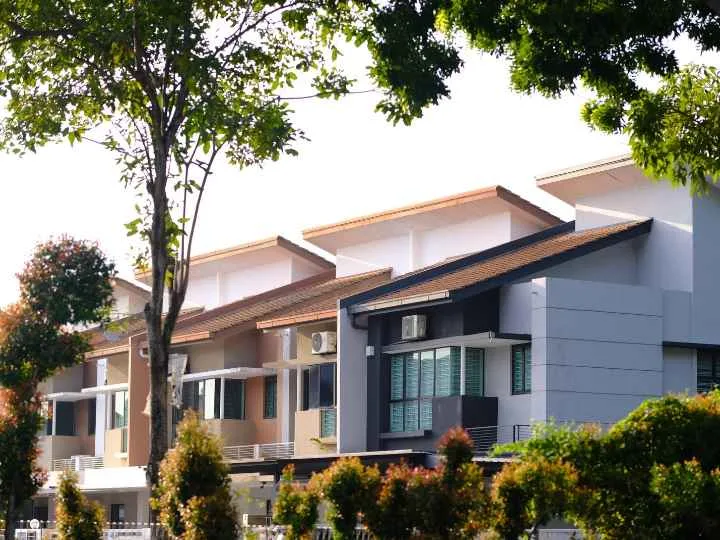
Signs That Your Strata Property Needs Repainting
Strata properties require regular maintenance to preserve their appearance, protect building surfaces and maintain a comfortable environment for residents. Over time, exposure to sunlight, rain, wind and everyday use can cause paint to deteriorate. Recognising these changes early helps property owners and strata managers plan maintenance before minor issues become expensive repairs. Professional strata painting services can help assess the condition of painted surfaces and determine when repainting is necessary.
Fading and Discolouration
One of the first signs that a building needs repainting is fading. Exterior walls exposed to direct sunlight can gradually lose their original colour, making the property look aged. Discolouration may also develop because of moisture, pollution and environmental conditions.
When different sections of a building show noticeable colour variations, repainting may help restore a consistent appearance. Strata managers should inspect external walls, balconies, entrance areas and other exposed surfaces to identify fading before it affects the overall presentation of the property.
Peeling, Cracking and Bubbling Paint
Paint that peels, cracks or forms bubbles indicates that the coating may no longer be protecting the underlying surface effectively. These problems can develop because of poor surface preparation, moisture penetration, temperature changes or the natural ageing of paint.
Simply applying another coat over damaged paint may not provide a lasting result. The affected areas should be inspected to identify the underlying cause before repainting begins. Addressing these issues early can help prevent further deterioration and reduce the likelihood of more extensive maintenance.
How Long Does Paint Usually Last on Strata Buildings?
The lifespan of paint depends on the type of surface, paint quality, environmental exposure and the standard of the original application. Different parts of a strata property may require repainting at different intervals.
Exterior Painting Timelines
Exterior paint generally experiences greater exposure to harsh weather conditions than interior paint. Sunlight, heavy rain, humidity and airborne pollutants can gradually weaken the coating.
As a general guide, exterior painted surfaces may need repainting every five to ten years. However, buildings in coastal areas or locations with intense sun exposure may require attention sooner. The actual timing should depend on the condition of the paint rather than a fixed schedule alone.
Interior Painting Timelines
Interior walls in shared hallways, stairwells, foyers and common rooms may remain in good condition for several years. However, high traffic, furniture movement, frequent cleaning and accidental marks can make these areas look worn.
Interior surfaces may need repainting every five to seven years, although busy common areas might require more frequent attention. Strata managers should consider the condition of each area, the number of residents using it and the overall appearance of the building when planning maintenance.
Seasonal Conditions That Influence Repainting
Choosing suitable weather conditions is important for achieving a durable and even paint finish. Temperature, humidity and rainfall can affect how paint adheres to surfaces and how quickly it dries.
Autumn and Spring for Exterior Painting
Autumn and spring can provide favourable conditions for exterior painting in many parts of Australia. Moderate temperatures may help paint dry evenly, while lower levels of extreme heat can make working conditions more manageable.
However, local weather patterns should always be considered. Painting should be scheduled when there is sufficient time for surfaces to dry and the forecast provides suitable conditions throughout the application period.
Summer Considerations
Summer can offer longer daylight hours, but extreme heat may cause paint to dry too quickly. This can affect the finish and make application more difficult, particularly on walls exposed to direct sunlight.
If painting during summer, contractors may need to schedule work during cooler periods of the day and follow the paint manufacturer's temperature recommendations.
Winter and Wet Weather
Cold temperatures, persistent rain and high humidity can delay painting projects. Damp surfaces may prevent paint from adhering correctly, increasing the risk of peeling and other defects.
Before work begins, contractors should check the forecast and confirm that the selected products are suitable for the expected conditions.
Preparing a Strata Property for Repainting
Good preparation plays a major role in the quality and durability of a repainting project. Before choosing a date, strata managers should arrange a detailed inspection and identify any repairs that need to be completed.
Inspecting Building Surfaces
The inspection should cover exterior walls, rendered surfaces, timber features, metal railings, ceilings and shared interior spaces. Cracks, rust, mould and water stains should be recorded for further assessment.
Where moisture damage is present, the source should be identified and resolved before repainting. Otherwise, the new coating may deteriorate prematurely.
Planning Repairs and Access
Some areas may require pressure cleaning, sanding, scraping, patching or specialised surface treatments. Buildings with multiple storeys may also require scaffolding, elevated work platforms or other access arrangements.
Planning these requirements in advance helps strata managers coordinate contractors, manage costs and minimise disruption to residents.
Communicating With Residents
Residents should receive advance notice of the proposed painting schedule, particularly when work affects balconies, parking areas, entrances or shared walkways.
Clear communication allows residents to make suitable arrangements and helps reduce inconvenience during the project. Strata managers should also explain any temporary access restrictions and expected completion dates.
Budgeting and Scheduling Strata Repainting Projects
Repainting a strata property requires financial planning, especially when the building has extensive shared spaces or multiple exterior surfaces. Waiting until paint failure becomes severe may increase costs because additional repairs could be required.
Reviewing the Maintenance Plan
Strata committees should include repainting in the property's long term maintenance plan. Regular inspections can help estimate when work will be needed and allow funds to be allocated gradually.
The budget should account for labour, paint, surface preparation, repairs, access equipment and any required safety measures. Obtaining detailed quotations can also help committees compare the proposed scope of work and understand what each contractor includes.
Coordinating With Other Maintenance Work
Repainting may be more efficient when coordinated with other planned building improvements. For example, repairing damaged render or addressing roof drainage issues before painting can reduce the chance of damage to newly coated surfaces.
A coordinated schedule also helps avoid repeating access arrangements and disrupting residents multiple times.
Frequently Asked Questions
1. How often should a strata property be repainted?
Exterior surfaces may need repainting every five to ten years, while interior common areas may require attention every five to seven years. Actual intervals depend on paint quality, weather exposure, building condition and usage.
2. What is the best season to repaint a strata building in Australia?
Autumn and spring often provide suitable conditions for exterior painting. However, local temperatures, humidity and rainfall should be considered before scheduling the work.
3. Can a strata building be repainted in stages?
Yes. Large properties can often be repainted in stages to spread costs and reduce disruption. Strata managers should coordinate the schedule to maintain consistent colours, finishes and workmanship across the building.
4. Why should strata properties be inspected before repainting?
An inspection helps identify peeling paint, surface cracks, moisture damage and other issues that need attention before new paint is applied. Resolving these problems first can improve the finish and extend the life of the new coating.