
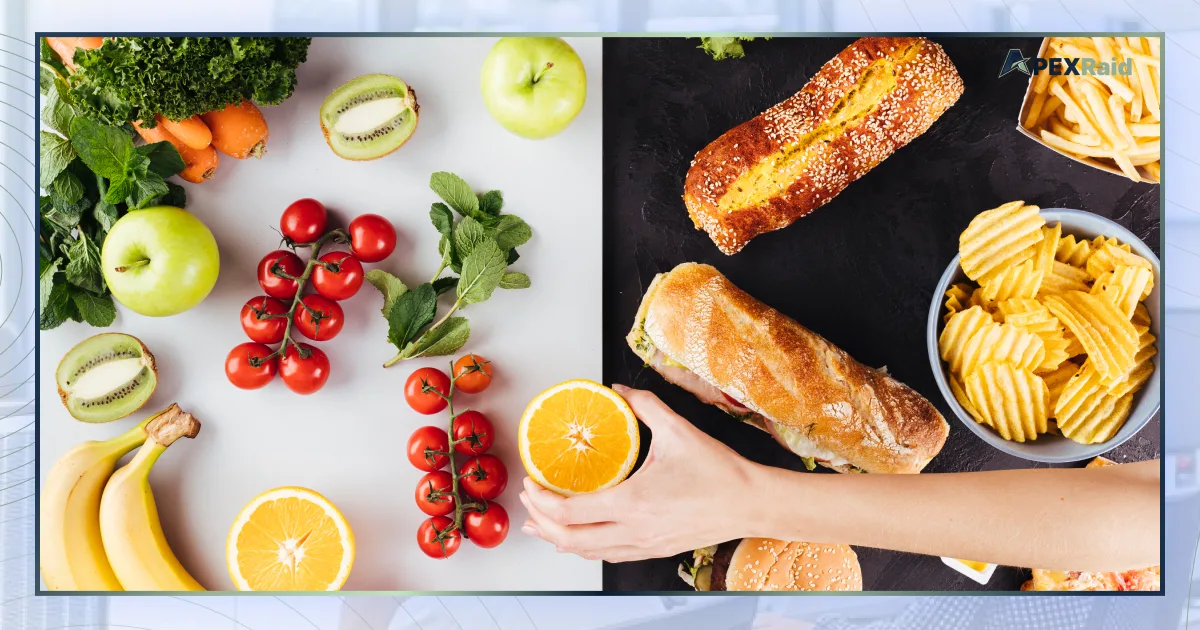
Eating well is one of the most widely encouraged habits for physical and mental health. Nutritious food supports energy, mood, immunity, and long-term disease prevention. Yet there is a point at which the pursuit of healthy eating can itself become harmful. When food rules grow rigid, when anxiety replaces enjoyment, and when self-worth becomes tied to the purity of every meal, healthy intentions cross into unhealthy territory. Recognizing this shift matters because it often hides in plain sight, praised by others as discipline while quietly damaging the person practicing it.
If you are interested in balanced perspectives on well-being and everyday health, you can begin exploring at apexraid.com. Understanding where helpful habits tip into harmful ones is an important part of sustainable self-care.
The line between nourishing attention to diet and problematic fixation is not always obvious. Society tends to celebrate restriction, clean eating, and intense dietary control. Social media amplifies idealized plates and moral language around food—“clean,” “toxic,” “guilty,” “pure.” In this environment, warning signs can be mistaken for virtue.
How Healthy Intentions Shift
Most people who develop an unhealthy relationship with “healthy” eating begin with reasonable goals: more vegetables, less ultra-processed food, better energy, or management of a medical condition. Early changes often produce genuine benefits. The difficulty arises when flexibility disappears.
Rules multiply. Certain food groups become permanently off-limits. Eating outside a narrow set of approved items triggers guilt or panic. Social meals feel stressful rather than connecting. Time spent planning, preparing, and researching food expands until it crowds out other parts of life. What started as self-care gradually becomes self-surveillance.
This pattern is sometimes discussed under the term orthorexia, a proposed condition involving an unhealthy obsession with eating pure or healthy foods. While not formally classified in the same way as other eating disorders, the underlying dynamics—restriction, anxiety, and impairment—are real for many people.
Common Signs That Healthy Eating Has Become Unhealthy
Several indicators suggest the balance has tipped:
Rigid rules that leave little room for context. A flexible approach to nutrition allows for variation based on hunger, activity, social settings, travel, and emotional needs. An unhealthy approach treats any deviation as failure.
Persistent anxiety or guilt around food choices. Occasional mindfulness about ingredients is different from chronic fear that a single meal will damage health or undo progress.
Narrowing of food variety over time. Eliminating more and more items in the name of health can lead to nutritional gaps, reduced enjoyment, and a shrinking sense of freedom.
Social withdrawal related to food. Declining invitations, avoiding restaurants, or feeling unable to eat around others often signals that food rules have begun to control behavior rather than support it.
Self-worth tied to dietary adherence. When a “perfect” eating day produces moral superiority and an imperfect one produces shame, food has taken on a role far beyond nourishment.
Physical consequences despite “healthy” intentions. Excessive restriction can lead to fatigue, hormonal disruption, digestive issues, loss of menstrual periods in some people, weakened immunity, or preoccupation that interferes with concentration and mood.
These signs do not require a formal diagnosis to deserve attention. Any pattern that reduces quality of life, creates significant distress, or harms physical health warrants reflection and, when needed, professional support.
Why This Pattern Develops
Multiple factors contribute. Cultural messages equate thinness and dietary purity with moral value. Wellness industries profit from escalating standards of what counts as healthy. Personal history—including past criticism of body size, experiences of chaos that make food rules feel grounding, or genuine health scares—can intensify the drive for control through diet.
Perfectionism plays a significant role. People who apply high standards in other areas of life may transfer that intensity to eating. The measurable nature of food (calories, macros, ingredients) makes it an appealing domain for control when other parts of life feel uncertain.
Social reinforcement also matters. Compliments on discipline or willpower can make it harder to recognize when the behavior has become excessive. What looks admirable from the outside can feel imprisoning from the inside.
The Costs to Mental and Physical Health
When healthy eating turns unhealthy, the costs accumulate. Mentally, the constant evaluation of food increases stress and can fuel anxiety or depressive symptoms. The joy of eating—one of the basic pleasures of being human—diminishes. Relationships may suffer when food rules limit shared experiences.
Physically, extreme restriction or elimination of entire food groups can create deficiencies even when the remaining foods are nutrient-dense. The body interprets severe limitation as scarcity, which can slow metabolism, disrupt hunger cues, and increase preoccupation with food. Paradoxically, an intense focus on health can produce outcomes that undermine it.
There is also the opportunity cost. Hours spent researching, planning, and worrying about food are hours not spent on relationships, rest, creative work, or other forms of care. A life organized primarily around dietary purity tends to become smaller over time.
Reclaiming a Healthier Relationship with Food
Restoring balance does not require abandoning nutritious eating. It requires reintroducing flexibility, context, and self-compassion. Several shifts help:
Separate food from morality. Foods are not inherently “good” or “bad.” They have different nutritional profiles and different roles in a life that includes pleasure, culture, and connection. Removing moral language reduces shame and all-or-nothing thinking.
Rebuild interoceptive awareness. Many people caught in rigid eating have lost touch with hunger, fullness, and satisfaction. Practices that rebuild trust in body cues—eating without screens, noticing taste and texture, pausing mid-meal—can gradually restore this connection.
Expand variety deliberately. Reintroducing previously restricted foods in a planned, supported way helps reduce fear and demonstrates that health is not as fragile as the rigid rules suggested.
Examine the function of the rules. Asking what the strict approach provides (control, identity, safety, praise) and whether those needs can be met in less costly ways opens space for change.
Seek perspective and support. Trusted friends, registered dietitians who take a non-diet or flexible approach, or therapists familiar with disordered eating can help interrupt patterns that feel impossible to shift alone. Professional guidance is especially important when restriction is severe or accompanied by significant distress.
Progress is rarely linear. Moments of anxiety during reintroduction or social eating are common. Treating those moments with curiosity rather than self-criticism supports longer-term change.
A More Sustainable View of Health
True health includes physical nourishment, mental flexibility, social connection, and the capacity to adapt. A way of eating that supports all of these domains is more robust than one that optimizes a narrow set of nutritional metrics while damaging the rest.
This does not mean ignoring nutrition science or abandoning thoughtful food choices. It means holding those choices lightly enough that they serve life rather than dominate it. It means recognizing that human bodies are resilient, that occasional deviation is normal, and that no single meal defines health.
Closing Reflection
Healthy eating becomes unhealthy when the pursuit of purity or control begins to cost more than it gives—when anxiety outweighs nourishment, when rules replace responsiveness, and when food becomes a primary measure of self-worth. The shift is often gradual and culturally reinforced, which makes it easy to miss.
Recovering balance involves loosening rigid rules, restoring trust in the body, and reclaiming food as one part of a larger life rather than its organizing principle. For many people, this process is both challenging and liberating. It returns the possibility of eating with both care and ease.
For a deeper exploration of this topic and ways to recognize the tipping point, read When Healthy Eating Becomes Unhealthy.
Eating well remains a valuable goal. The invitation is simply to pursue it in a way that leaves room for humanity, flexibility, pleasure, connection, and the understanding that health is broader than any plate.