
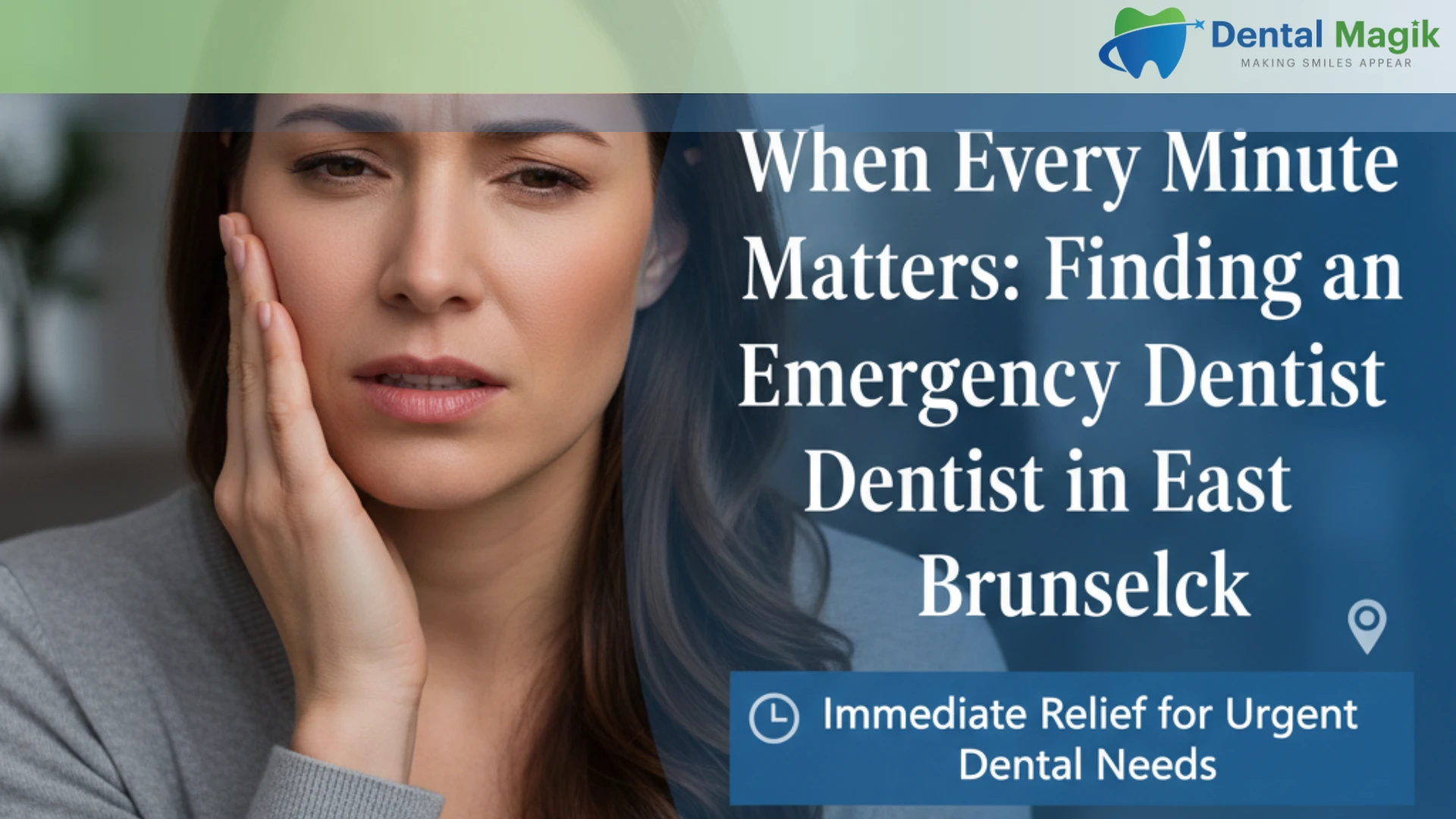
Dental pain never checks your schedule. It can begin in the middle of the night, during a family gathering, or right before an important meeting. A cracked tooth, sudden swelling, or intense throbbing pain can quickly turn a normal day into a stressful experience. That’s when knowing where to find an emergency dentist in East Brunswick becomes more than helpful—it becomes critical.
In urgent dental situations, fast and professional care can mean the difference between saving a tooth and losing it. Immediate attention can stop an infection from spreading, reduce severe discomfort, and prevent long-term complications. Understanding what qualifies as a dental emergency and how emergency dentists respond can help you act quickly and confidently when every minute counts.
What Counts as a Dental Emergency?
Not every minor tooth sensitivity requires urgent treatment, but some symptoms should never be ignored. Severe, continuous pain that doesn’t respond to over-the-counter medication may indicate nerve damage or a deep infection. A knocked-out tooth requires immediate attention because time plays a major role in whether the tooth can be successfully reinserted.
A broken or cracked tooth that exposes inner layers can cause sharp pain and bleeding. Significant swelling in the mouth, gums, or jaw can signal infection, especially if accompanied by fever. Uncontrolled bleeding after trauma or a dental procedure is another serious warning sign. Intense pain while biting or chewing may also indicate structural damage or infection.
These symptoms are not simply uncomfortable—they may point to serious conditions that can worsen rapidly without prompt care. Acting quickly protects both your oral health and your overall well-being.
Why Immediate Treatment Is So Important?
Dental infections and injuries can escalate quickly. An untreated abscess, for example, can spread bacteria to surrounding tissues and even enter the bloodstream in severe cases. What begins as a manageable issue can become a complex medical concern if ignored.
Emergency dentists are trained to diagnose and manage urgent conditions efficiently. Their primary goal is to relieve pain, stabilize the affected area, and address the underlying problem. Unlike general urgent care centers that may only prescribe temporary pain relief, a dental professional focuses on correcting the cause—whether it’s decay, trauma, or infection.
Prompt treatment also increases the likelihood of preserving natural teeth. Saving your original tooth whenever possible helps maintain proper bite alignment, jaw strength, and long-term oral health.
How Emergency Dental Visits Typically Work
When you contact an emergency dental office, staff members usually prioritize urgent cases. Many practices reserve same-day appointments or offer flexible scheduling to accommodate emergencies.
During your visit, the dentist begins with a focused evaluation of your symptoms. Digital X-rays or other imaging tools may be used to pinpoint the exact issue. The next step involves immediate pain management, which could include local anesthesia or medication to reduce inflammation.
Once the diagnosis is confirmed, treatment is provided based on the condition. This may involve repairing a fractured tooth, replacing a lost filling or crown, performing a root canal to treat infection, or extracting a severely damaged tooth if necessary. After treatment, you will receive detailed instructions for home care and guidance on follow-up visits if required.
The goal is not only to solve the immediate problem but also to ensure proper healing and long-term stability.
Common Dental Emergencies
Emergency dentists handle a wide variety of urgent problems. Severe toothaches are among the most common reasons patients seek immediate care. These often result from deep decay or infection affecting the inner pulp of the tooth.
Broken, chipped, or cracked teeth frequently occur due to accidents, falls, or sports injuries. Lost fillings and crowns can expose sensitive areas, leading to sudden discomfort. Abscesses and gum infections require urgent attention to prevent spreading bacteria.
Traumatic injuries to the mouth, including partially dislodged or completely knocked-out teeth, demand immediate evaluation. Quick action significantly increases the chances of saving the tooth and preventing additional damage.
When Hospital Care May Be Necessary
While most dental emergencies can be handled by a dentist, certain symptoms require immediate medical attention. Difficulty breathing or swallowing, rapidly spreading facial swelling, or heavy bleeding that does not stop may indicate a serious condition that needs hospital care.
In such cases, visiting the nearest emergency room is the safest first step. Once the medical issue is stabilized, follow-up dental treatment can address the underlying oral problem.
Managing Pain Before You Reach the Dentist
If you cannot see a dentist immediately, there are temporary steps you can take to reduce discomfort. Rinsing gently with warm salt water can help clean the affected area and soothe irritation. Applying a cold compress to the outside of your cheek can minimize swelling and numb pain.
Over-the-counter pain relievers may provide short-term relief when used as directed. Avoid placing aspirin directly on the gums, as it can cause irritation. Try not to chew on the affected side, and stay away from very hot or cold foods that may increase sensitivity.
These measures are temporary and should never replace professional treatment. Seeking proper care as soon as possible remains the most important step.
Choosing the Right Emergency Dentist
Selecting a reliable provider ahead of time can reduce stress when an emergency arises. Look for a dental practice that offers prompt scheduling, clear communication, and experience in handling urgent cases. Compassionate care is equally important because dental emergencies can be physically and emotionally overwhelming.
Reading patient reviews, checking qualifications, and confirming insurance policies in advance can make the process smoother when quick decisions are needed. Keeping contact information saved in your phone ensures you can reach help without delay.
Prevention and Preparedness
While not all emergencies can be prevented, consistent oral care significantly reduces risk. Brushing twice daily, flossing regularly, and attending routine dental checkups help detect problems early. Wearing a mouthguard during sports activities protects teeth from accidental injury.
Maintaining good overall health and addressing minor dental concerns promptly can prevent them from turning into urgent situations later. Preparedness offers peace of mind.
Final Thoughts
A dental emergency can be alarming, painful, and disruptive. However, access to timely and professional care makes a tremendous difference. Emergency dentists in East Brunswick are equipped to manage urgent situations with skill, precision, and compassion.
If you experience sudden tooth pain, injury, or swelling, do not delay seeking help. Acting quickly protects your health, preserves your smile, and prevents small issues from becoming major problems. When every minute matters, the right emergency dental care can restore comfort and confidence faster than you might expect.