Dogs are naturally active animals, and running, jumping, playing, and exploring are all part of their everyday lives. Unfortunately, these activities can sometimes lead to bone, joint, ligament, or muscle injuries. Age-related conditions can also affect your dog's mobility and comfort. In some cases, rest and medication may be enough, while more serious problems may require specialist surgical care. Knowing when to consult an orthopedic dog surgeon can help you make informed decisions about your pet's health and recovery.
What Does an Orthopedic Dog Surgeon Do?
An orthopedic dog surgeon is a veterinary professional who focuses on conditions affecting a dog's musculoskeletal system. This includes the bones, joints, ligaments, tendons, and other structures responsible for movement and stability.
Orthopedic surgery may be considered for problems such as fractures, ligament injuries, hip dysplasia, joint abnormalities, and certain developmental or degenerative conditions. The goal is generally to restore stability, reduce discomfort, and help the dog return to a good level of mobility.
Your regular veterinarian is often the first person to assess your dog's problem. If the condition is complex or surgery may be necessary, they may recommend an orthopedic specialist.
1. Your Dog Has a Serious Limp
A mild limp after strenuous exercise may sometimes improve with rest, but persistent or severe lameness deserves veterinary attention.
Watch for signs such as:
- Refusing to put weight on a leg
- Limping for more than a short period
- Sudden severe lameness
- Difficulty climbing stairs
- Reluctance to run or play
- Holding one leg off the ground
- Crying or reacting when the leg is touched
A serious limp can have many possible causes, including ligament damage, fractures, joint problems, or other injuries. Your veterinarian can determine whether specialist orthopedic assessment is appropriate.
2. Your Dog Has a Torn Cruciate Ligament
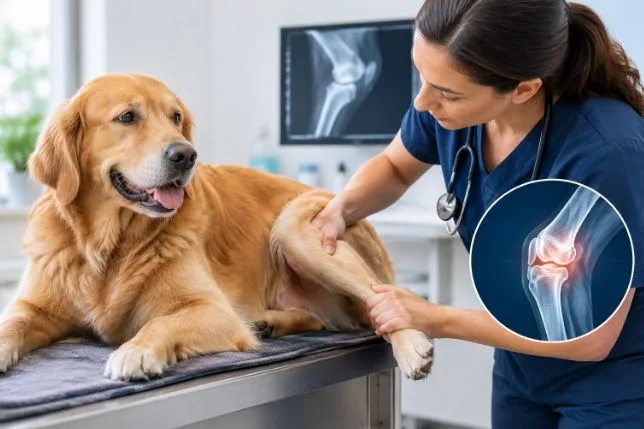
Cruciate ligament injuries are among the common orthopedic problems seen in dogs. The cranial cruciate ligament helps stabilize the knee, and damage to it can cause pain, instability, and difficulty walking.
Some dogs develop the problem gradually, while others experience a sudden injury during running or jumping.
Signs may include:
- Sudden limping on a back leg
- Difficulty getting up
- Reduced activity
- Sitting differently than usual
- Swelling around the knee
- Reluctance to jump or climb stairs
Depending on factors such as the dog's size, age, activity level, knee stability, and overall health, surgery may be recommended.
3. Your Dog Has a Fracture or Broken Bone
Fractures can occur after accidents, falls, or other trauma. Some fractures are straightforward, while others can be complicated because the bone has shifted, broken into multiple pieces, or affected a nearby joint.
Surgical treatment may be necessary when a fracture requires stabilization to heal correctly.
If you suspect your dog has broken a bone, avoid manipulating the injured limb. Keep your dog as still and calm as possible and contact a veterinarian promptly.
4. Hip Dysplasia Is Affecting Mobility
Hip dysplasia is a developmental condition involving abnormal formation of the hip joint. It can contribute to pain, stiffness, difficulty rising, and reduced mobility.
Some dogs with hip dysplasia can be managed with weight control, exercise modification, medication, rehabilitation, and other conservative treatments. However, certain dogs may benefit from surgical procedures.
The appropriate treatment depends on factors such as the dog's age, severity of the condition, symptoms, joint changes, and overall health.
5. Your Dog Has Persistent Joint Pain
Dogs do not always show pain in obvious ways. Instead of crying or whining, a dog may simply become less active or stop doing things it previously enjoyed.
Potential signs of joint discomfort include:
- Difficulty standing up
- Stiffness after resting
- Avoiding stairs
- Reluctance to jump onto furniture
- Reduced interest in walks
- Changes in walking pattern
- Irritability when handled
Persistent joint pain should be evaluated by a veterinarian. Diagnostic imaging and orthopedic examination may help determine the underlying cause and whether surgery should be considered.
6. Your Dog's Mobility Is Getting Worse
A gradual decline in mobility should not simply be dismissed as "getting old." Older dogs can develop arthritis and other age-related conditions, but they can also experience treatable orthopedic problems.
If your dog once enjoyed long walks but now struggles to walk for a few minutes, it is worth arranging a veterinary examination.
Your veterinarian may recommend X-rays or other diagnostic tests to understand what is happening inside the joints and bones. If a structural problem is identified, referral to an orthopedic specialist may be appropriate.
7. Conservative Treatment Has Not Worked
Not every orthopedic condition requires surgery. Depending on the diagnosis, treatment may initially involve rest, medication, weight management, physiotherapy, controlled exercise, or other non-surgical approaches.
However, if your dog's condition continues despite appropriate conservative management, your veterinarian may recommend further investigation.
For certain injuries or structural abnormalities, surgery can provide a way to stabilize a joint or repair damaged structures when other treatments are unlikely to provide sufficient improvement.
How Is the Need for Orthopedic Surgery Determined?
A veterinarian will generally consider several factors before recommending surgery. These can include your dog's symptoms, physical examination findings, medical history, age, breed, activity level, and overall health.
Diagnostic imaging can also play an important role. X-rays may help identify fractures, arthritis, bone abnormalities, and certain joint changes. In more complicated cases, additional imaging or diagnostic procedures may be recommended.
The veterinarian will discuss the diagnosis and available treatment options with you. Surgery is not automatically the answer simply because an orthopedic problem has been identified.
What Happens During an Orthopedic Consultation?
During an orthopedic consultation, the veterinary team may examine your dog's gait, posture, joints, and range of motion. They may also ask questions about when the symptoms began and whether they have become better or worse.
You may be asked:
- When did you first notice the problem?
- Did an accident or injury occur?
- Does your dog limp continuously or intermittently?
- Is your dog struggling with stairs?
- Has your dog's activity level changed?
- Has your dog received any previous treatment?
Providing accurate information can help the veterinary team understand the problem and develop an appropriate diagnostic plan.
Helping Your Dog Before and After Surgery
If surgery is recommended, following your veterinary team's instructions is extremely important. Before surgery, your dog may need restrictions on food, water, exercise, or medication depending on the procedure.
After surgery, recovery may involve restricted activity, medication, wound monitoring, and rehabilitation. Dogs often feel better before their bones or soft tissues have fully healed, so preventing excessive running or jumping can be essential.
Your veterinarian may recommend:
- Short, controlled walks
- Restricted access to stairs
- Keeping your dog away from slippery floors
- Appropriate pain relief
- Follow-up examinations
- Rehabilitation exercises
- Weight management
Never increase your dog's activity level faster than recommended.
Choosing the Right Veterinary Care
If your dog develops a serious orthopedic problem, early veterinary assessment can help identify the cause and determine the available treatment options. Your regular veterinarian can often provide the initial examination and recommend whether referral to an orthopedic dog surgeon is appropriate.
When specialist surgery is being considered, ask about the diagnosis, proposed procedure, expected recovery period, potential risks, aftercare requirements, and alternative treatment options. Understanding these details can help you prepare for your dog's recovery and provide the care they need at home.
Final Thoughts
Knowing when your dog needs an orthopedic dog surgeon can make a significant difference when dealing with serious bone and joint problems. Persistent limping, severe injuries, fractures, cruciate ligament damage, hip problems, and worsening mobility are all reasons to seek veterinary advice.
Not every dog with an orthopedic condition will require surgery. A thorough veterinary examination and appropriate diagnostic testing are important for determining the cause of the problem and the most suitable treatment. If your dog is showing changes in mobility or appears uncomfortable, don't ignore the signs. Early assessment can help you understand the condition and take the next appropriate step toward supporting your dog's movement, comfort, and quality of life.