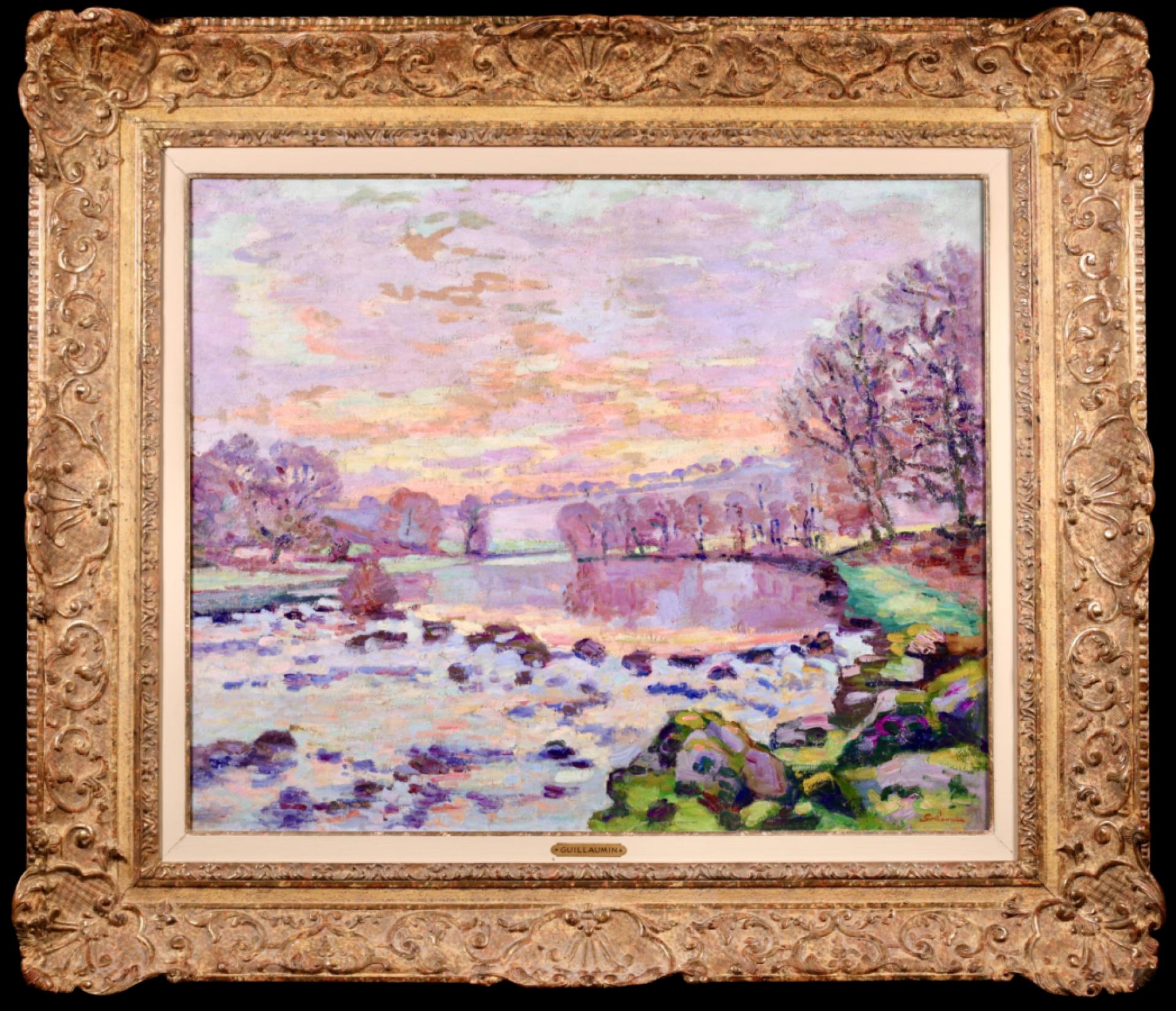
When we examine the works of Armand Guillaumin, one of the first things that strikes us is the artist’s willingness to use color boldly and fearlessly. Unlike many of his contemporaries, Guillaumin did not use muted colors or subtle gradations; instead, he used bright colors and bold contrasts to turn mundane landscapes into bright, almost electric scenes. There is much that modern artists can learn from Armand Guillaumin about color, composition, and emotional impact.
The Power of Bold Colors
One of the first things that we can learn from the works of Armand Guillaumin is the power of bold, unrestrained color. Guillaumin often used bright oranges, fiery reds, and deep blues to capture the energy of a sunset or the sparkle of a river. These colors were not simply used for their aesthetic appeal; instead, they were used to capture the mood and essence of a place. As a modern artist, you can use colors that feel natural and intuitive to you in order to capture the emotional impact of your work.
Harmonizing Contrasts
Guillaumin was also skilled at harmonizing contrasts. Contrasting colors are often used side by side, which creates both tension and harmony. For instance, in his landscape paintings, he would use bright green trees alongside a pale blue sky. This creates contrast between the two, which highlights the beauty of both while still creating a harmonious whole. Modern artists can learn from this technique and learn to balance contrast to create a visually appealing effect without overwhelming the senses.
Observing Light and Atmosphere
Another valuable lesson that can be learned from artist Armand Guillaumin is the emphasis he placed on light. He did not just paint colors on the canvas randomly. Rather, all the colors he used were to emphasize the effect of light on the landscape, the reflection of light on water, and the effect of shadows at different times of the day. For modern artists, understanding the effect of light on colors is crucial. From Guillaumin, you learn to make colors come alive and dynamic rather than flat and static.
Embracing Emotional Expression
One of the most encouraging takeaways is the way the artist Armand Guillaumin employed color to convey emotion. He painted rivers, mountains, and cityscapes not only as representations but as expressions of his own emotions about the subject matter. Colors were now a language of emotions, depicting happiness, calmness, or even sadness. Artists today can also play around with colors, letting their intuition and emotional response guide them, thus establishing a better rapport with their viewers.
Experimentation and Confidence
Lastly, Guillaumin teaches artists the value of experimentation. He was not one to be bound by traditional rules, combining unusual colors and layering them in a way that was unconventional even among his Impressionist contemporaries. Today, artists who are not afraid to go beyond the usual colors and experiment with new ones will be encouraged to be innovative and creative.
Conclusion
In conclusion, analyzing the works of Armand Guillaumin is an important aspect for artists today. From the use of vibrant colors to the observation of light, there is much to learn from his bold style. If you would like to learn more about his works and how he achieved them, you can visit Leighton Fine Art for the curated collections of Armand Guillaumin.