Key Takeaways:
- Riders have choices to make in their gear about protection and personality.
- A rider’s helmet, jacket, boots, and gloves build a first impression to other riders.
- Great gear isn’t necessarily name-brand or expensive. It’s about self-expression and being ride-ready.
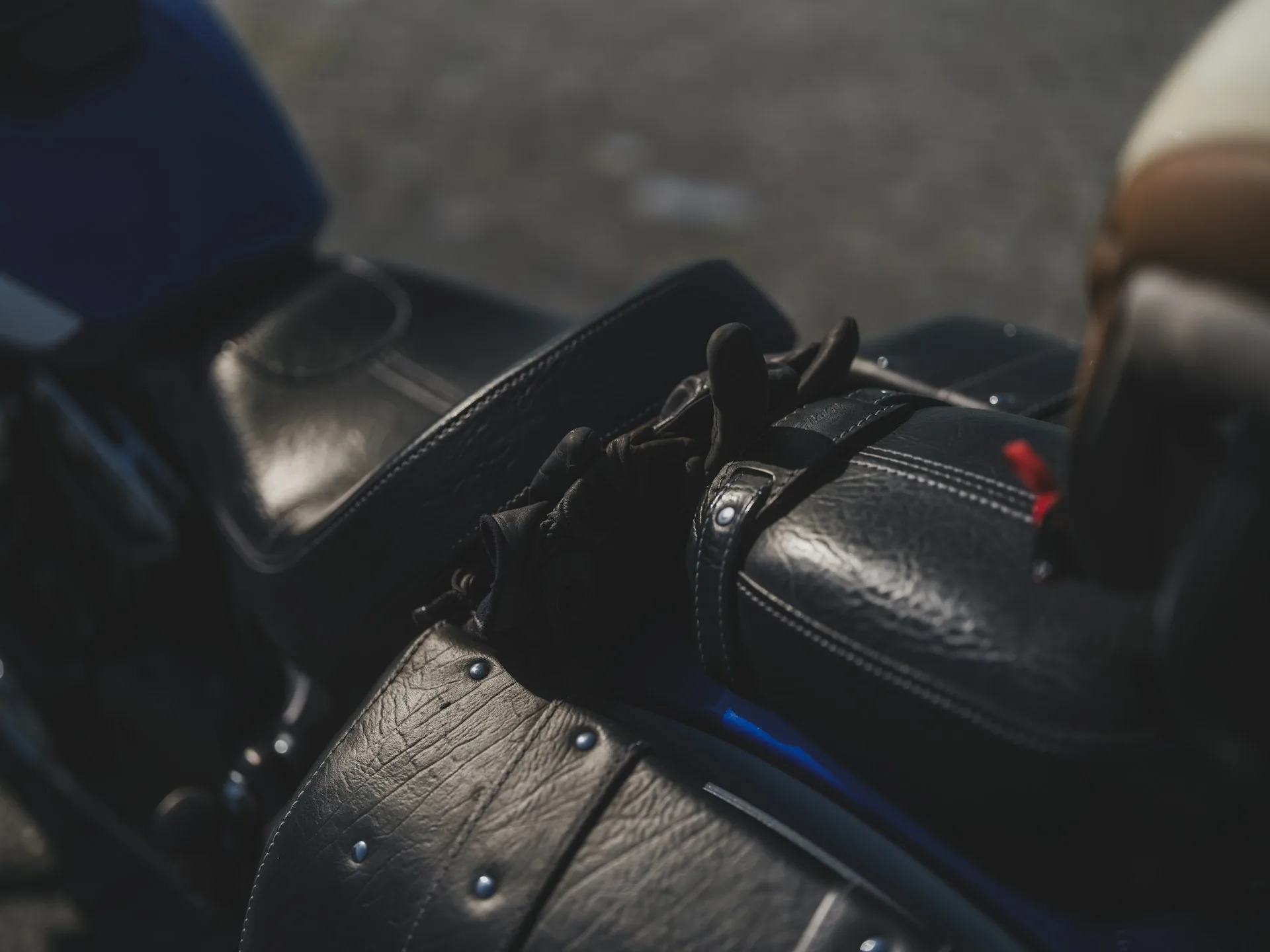
Ask riders what their gear means and at least one will shrug “It’s just what I wear.” Then look at the row of bikes outside a breakfast spot on a Saturday: leather faded at the elbows, one helmet scraped near the visor, boots with rain spots and old gravel dust worked into the seams. The story is already sitting there.
That is the odd little truth about motorcycle style. Wind, heat, pavement, sun, and long miles change how gear looks and feels. And after that, somehow, it still manages to say something about taste.
First Impressions on Two Wheels
Style judgments happen fast. A plain black jacket gives a humble, classic impression and a neon helmet expresses a loud personality. A pair of old boots with the toe rubbed smooth shows experience that brand-new catalog gear cannot quite fake.
The shorthand is not perfect, but riders recognize it:
- Leather and denim: Old road trip adventure feel, shows its age, cruiser-friendly.
- Armored textile gear: Prepared for rides in any weather.
- Bright helmets or jackets: Flashy but practical by increasing visibility.
- Scraped-up boots and gloves: Well-used and well-loved old reliable.
How Protection Can Show Personality
Clothes affect your posture. A good jacket can make a person stand a little differently; work boots can make a person feel ready for a job. Motorcycle gear does that, only with higher stakes for safety.
Better gear does not cure bad judgment. It will not rescue a rider who charges into traffic with no patience or treats a blind curve like a racetrack. But the ritual can help set the tone. It can make you feel more alert, less sloppy on rides, and a little more respectful of the road.
The Look of Belonging
Every corner of motorcycling has a uniform, even the ones that pretend they do not. Cruiser riders have theirs. Sometimes it is obvious with things like a patched vest. track suit, or waxed jacket. Maybe it’s a helmet with stickers from motel stops, rallies, and state-line gift shops.
Then there are the smaller tells: glove cut, boot brand, visor color, or the bandana that comes out after the helmet comes off. Gear helps riders find their people.
The Bike Has Opinions, Too
The motorcycle shapes the outfit more than riders realize. A stripped-down cruiser looks odd with adventure armor and huge waterproof pockets. A sportbike makes casual sneakers look careless. A cross-country touring setup with slip-on motorcycle exhausts asks for volume in terms of its gear too whether its rain-resistant equipment or storage bags.
Before choosing a look, a rider is subconciously answering a few questions:
- How long is the ride?
- What kind of road is coming?
- Am I ready for the weather?
- Does this gear fit the bike?
The best style usually lands where utility and identity meet. Too pristine can look stiff and awkward, while too relaxed can look reckless. The sweet spot is gear that works and looks like it belongs there.
What the Road Leaves Behind
New gear is nice, but broken-in gear tells a story. That may be the real psychology of motorcycle style. Riders are showing what they value, but they are also showing where they have been. The gear protects the body first. After that, it tells the story.