
Persistent exhaustion after a full night in bed often indicates that the body is failing to complete its necessary restorative cycles. When sleep never feels restful, the body is likely experiencing frequent micro-awakenings caused by physical or environmental disruptions. These interruptions prevent the brain from staying in deep sleep and Rapid Eye Movement stages long enough to repair tissues and consolidate memories.
This guide explains the physiological signals associated with non-restorative sleep and how to identify the underlying causes. Sleep specialist note that chronic fatigue is a medical symptom rather than a personal failing. Understanding these internal messages is essential for anyone looking to regain their energy and long-term health.
The Physiology of Non-Restorative Sleep
When a person sleeps, their body moves through distinct stages designed to refresh the mind and body. If this process is cut short, the person wakes up feeling as though they never rested. This sensation is known as non-restorative sleep. It often points to a quality issue rather than a quantity issue. Even if someone spends nine hours in bed, they will feel drained if their sleep remains shallow.
The Role of Deep Sleep
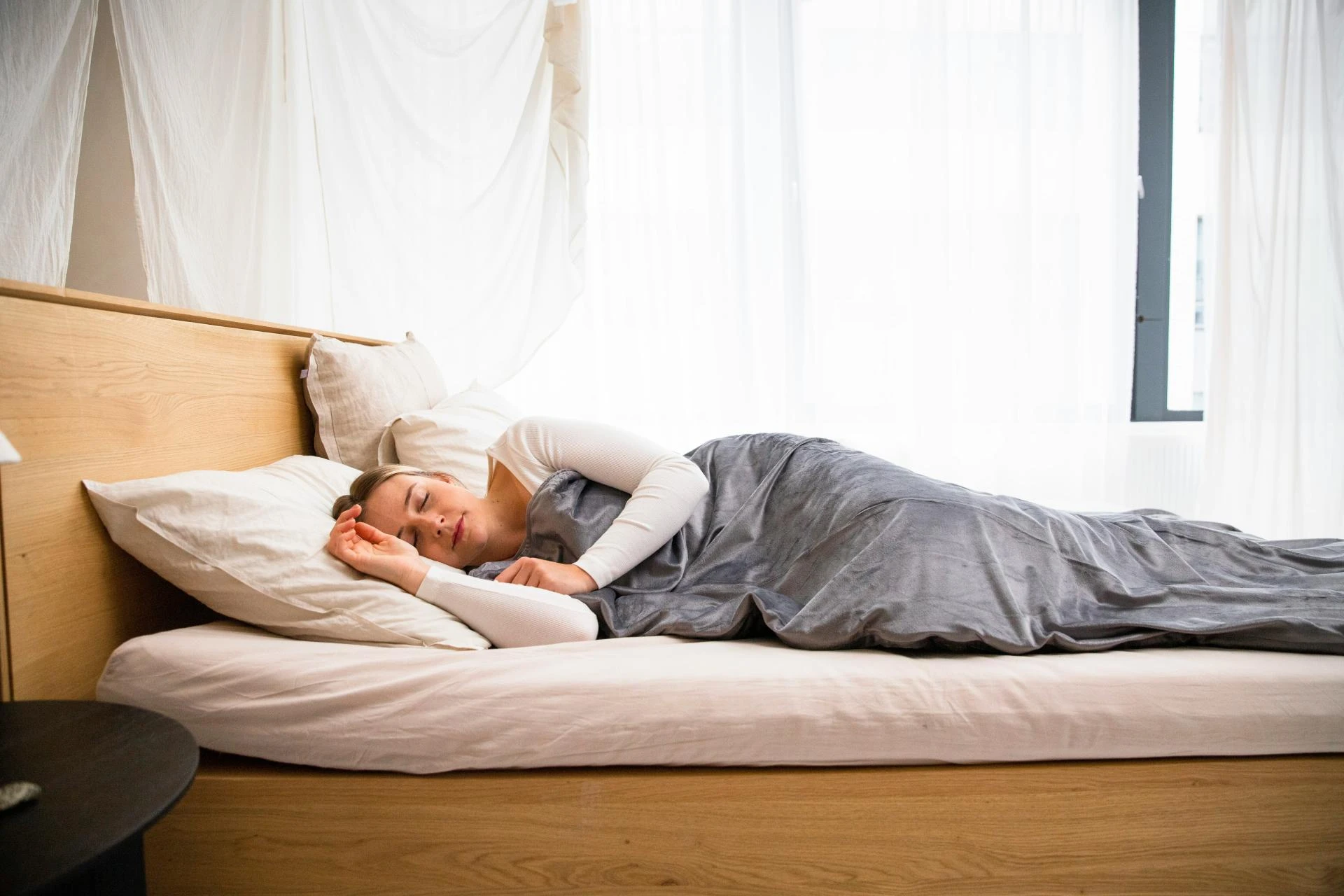
Deep sleep is the time when the body releases growth hormones and repairs muscles. It is also when the immune system strengthens itself. If a person has a condition that keeps them in light sleep, they miss out on these physical benefits. They might wake up with body aches or feel mentally foggy throughout the day.
Physical Signs of Sleep Disorders
The body often provides specific clues when sleep is being disrupted. Recognizing these signs helps in determining whether a medical evaluation is necessary. Market data shows that approximately 70 million Americans suffer from chronic sleep problems, yet many do not realize their symptoms are treatable.
Obstructive Sleep Apnea Indicators
Sleep apnea involves the repeated stopping and starting of breathing during the night. The brain must trigger a brief wake up call to restart breathing, which destroys sleep quality.
Morning Headaches and Dry Mouth
Waking up with a dull headache or an extremely dry throat are classic signs of apnea. The headaches result from lower oxygen levels in the blood during the night. The dry mouth often comes from forced mouth breathing when the nasal passages or throat are obstructed.
Restless Leg Syndrome and Periodic Limb Movements
Some people experience a "creepy-crawly" sensation in their legs that only improves with movement. This often happens right as they are falling asleep. Others may kick or twitch their legs throughout the night without knowing it. Both issues prevent the body from staying in a deep, restful state.
Environmental and Urban Challenges to Rest
External factors can be just as damaging as internal ones. People living in high density areas face unique obstacles that can ruin their sleep quality without their conscious knowledge.
Noise and Light Pollution
In cities like New York, the sound of sirens, subways, and late night foot traffic can pull a person out of deep sleep. Even if the person does not fully wake up, their brain registers the noise, shifting them into a lighter sleep stage. Light from street lamps or electronic signs can also suppress melatonin production.
Regional Climate Factors
In the humid climate of the Northeast, summer nights can become stifling. High humidity makes it harder for the body to cool down. A lower core temperature is required to trigger deep sleep. Without proper climate control, the body stays in a state of mild heat stress all night.
Bonus TipUse a high quality white noise machine to mask sudden urban sounds. Consistent sound is less likely to wake the brain than the sudden blast of a car horn or a siren.
Comparing Sleep Quality Experiences
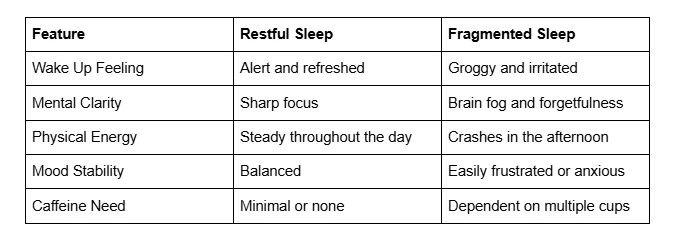
It is helpful to look at how restful sleep differs from fragmented sleep. The following table highlights the differences in how the body feels and functions under both conditions.
Things to Consider Before Making a Decision
If someone is considering a professional sleep evaluation, they should first track their habits for two weeks. This data provides a clearer picture for specialists.
- Daily caffeine and alcohol consumption.
- Frequency of nighttime bathroom trips.
- The presence of snoring as reported by a partner.
- Total screen time in the hour before bed.
- Consistency of sleep and wake times on weekends.

Identifying the Need for Diagnostic Testing
When lifestyle changes fail to improve energy levels, it is time to look at diagnostic options. A comprehensive assessment at a Sleep Study Centre can reveal hidden disruptions that prevent the body from reaching deep, restorative sleep.
Polysomnography in a Lab
A lab-based study is the most comprehensive tool. It monitors heart rate, brain waves, and muscle movements. This test can identify complex issues that a person cannot see on their own.
Home Sleep Apnea Testing
For those primarily concerned with breathing issues, a home test is often sufficient. It allows the person to stay in their own environment while sensors track their oxygen levels and breathing effort.
Bonus TipEnsure the bedroom is pitch dark. Use blackout curtains to block city lights. Even a small amount of light hitting the skin can disrupt the internal clock.
Understanding Sleep LatencySleep latency is the amount of time it takes to fall asleep. Falling asleep in less than five minutes often indicates severe sleep deprivation rather than "being a good sleeper."
Questions People Ask About Restful Sleep
Why do I feel more tired after a long sleep than a short one?
This is often due to sleep inertia or waking up during the wrong part of a sleep cycle. If you wake up from a very deep stage, you will feel confused and exhausted for a longer period.
Can stress cause non-restful sleep?
Yes. High levels of cortisol keep the brain in a state of hyper-arousal. Even if you are unconscious, your brain remains "on guard," which prevents it from entering the most restorative stages of rest.
Is snoring always a sign of a problem?
Not always, but it is a major red flag. Snoring indicates that the airway is partially blocked. If it is accompanied by daytime sleepiness, it is highly likely that sleep quality is being compromised.
Does the age of a mattress affect sleep quality?
A mattress that is older than seven to ten years may lose its support. This causes physical discomfort that leads to tossing and turning, which fragments the sleep cycle.
How does alcohol impact the night?
Alcohol might help a person fall asleep faster, but it acts as a sedative that wears off mid-night. As it leaves the system, it causes shallow sleep and frequent awakenings.
Evaluating Long-Term Sleep Health
The body uses sleep as a primary tool for maintenance. Ignoring the signs of unrefreshing rest can lead to long term issues like high blood pressure, weight gain, and decreased cognitive function. Individuals should monitor their symptoms closely and consider how their environment and physical health might be working against them. Achieving better rest starts with a commitment to investigating the root cause of fatigue.
Professional Resources for Better Rest
When exhaustion becomes a daily burden, seeking a professional opinion is a logical next step. They can provide the necessary testing to determine if a medical condition is blocking restorative rest. Vector Sleep Diagnostic Center specializes in identifying these issues through detailed studies and expert analysis. To learn more about their services or to schedule an evaluation, they can be reached at (718) 830-2800. For general inquiries, they also accept messages at [email protected]. Taking action now can lead to a more energetic and healthier future.