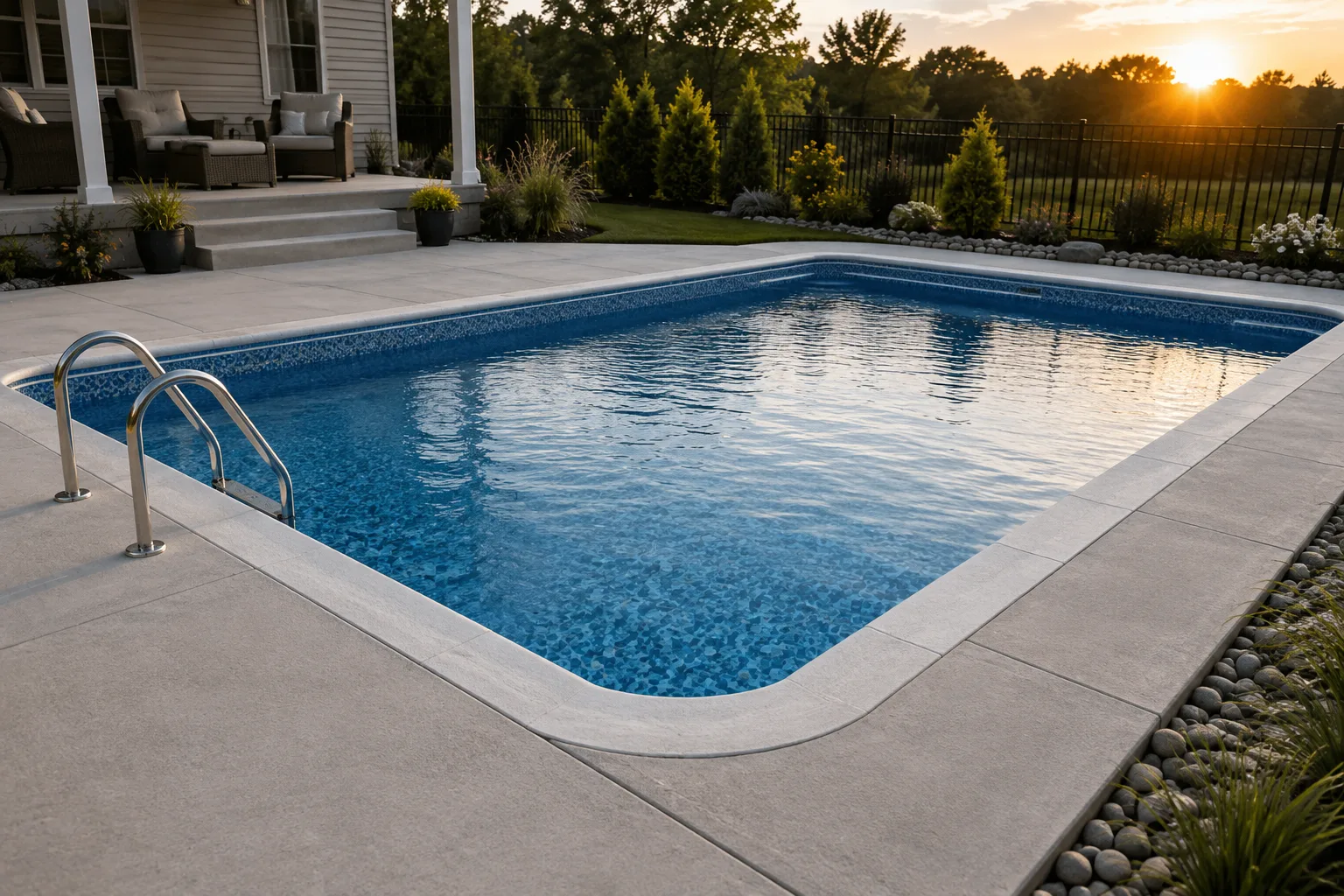
Installing an inground swimming pool is a dream for many homeowners, but budget often becomes the deciding factor. Choosing the right type of inground pool can significantly reduce your upfront investment while still delivering years of enjoyment. The total cost depends on several factors, including construction material, excavation requirements, pool size, design complexity, and future maintenance.
Homeowners planning swimming pool construction should look beyond the initial installation price and consider the overall cost of ownership. By understanding the differences between vinyl, fiberglass, and concrete pools, you can make an informed decision that balances affordability, durability, and long-term value. The least expensive option isn't always the most economical over its lifetime, making careful comparison essential before beginning your project.
What Determines the Cost of an Inground Pool?
Understanding the Main Cost Factors
The cost of an inground pool depends on much more than its dimensions. Material selection plays a major role because each option requires different installation methods, labor, and equipment. Excavation costs vary according to soil conditions, property accessibility, and ground preparation. Plumbing, filtration systems, electrical work, and interior finishes also influence the final budget. Local regulations and permit requirements may add additional expenses depending on your location. Maintenance should also be considered since cleaning, repairs, and energy consumption affect ownership costs over many years. Understanding these variables allows homeowners to estimate expenses more accurately and choose a pool that matches both their budget and long-term expectations.
Which Type of Inground Pool Is the Least Expensive?
Vinyl Liner Pools Usually Offer the Lowest Initial Cost
Among the available options, vinyl liner pools are widely recognized as the most affordable type of inground pool for residential properties. Their construction requires fewer materials and less labor than concrete pools, making installation faster and more economical. The smooth liner surface also provides a comfortable swimming experience while reducing algae growth compared with rougher finishes. Although vinyl liners eventually require replacement after several years, the significantly lower installation cost makes them attractive for homeowners with limited budgets. For buyers focused on minimizing upfront investment, vinyl liner pools typically provide the best value without sacrificing functionality or visual appeal.
Comparing Popular Inground Pool Types
Vinyl, Fiberglass, and Concrete Compared
Each inground pool material offers unique advantages depending on your priorities. Vinyl liner pools are the most budget-friendly, fiberglass pools combine moderate pricing with lower maintenance, and concrete pools provide maximum customization for premium projects. Installation time, maintenance requirements, durability, and repair costs should all influence your final decision. While the cheapest option may appear attractive initially, long-term expenses vary considerably between materials. Evaluating both installation costs and future maintenance helps homeowners select a solution that fits their financial goals and expected usage rather than focusing solely on the purchase price.
Inground Pool Comparison
Pool TypeInitial CostInstallation TimeMaintenanceLifespanCustomizationVinyl LinerLow2–4 WeeksMedium20–30 YearsModerateFiberglassMedium2–3 WeeksLow30+ YearsLimitedConcreteHigh8–12 WeeksHigh50+ YearsExcellentIs the Cheapest Pool Always the Best Choice?
Looking Beyond the Initial Installation Price
Choosing the least expensive pool does not automatically guarantee the lowest lifetime cost. Maintenance frequency, repair requirements, water treatment expenses, and energy consumption can significantly affect your overall investment. Vinyl liners need periodic replacement, while concrete surfaces require resurfacing after years of use. Fiberglass pools generally need less maintenance but cost more initially. Homeowners should compare the complete ownership lifecycle instead of focusing only on installation estimates. A balanced evaluation helps prevent unexpected expenses and ensures the selected pool continues delivering value for decades while remaining practical for everyday use.
How Location Affects Swimming Pool Construction Costs
Why Local Conditions Influence Project Pricing
The location of your property plays an important role in determining the overall cost of pool installation. Factors such as soil quality, groundwater levels, transportation charges, labor availability, and municipal regulations can all influence the final budget. In regions with challenging ground conditions, excavation and structural reinforcement may require additional investment. Homeowners should also consider climate and drainage requirements before construction begins. Partnering with an experienced swimming pool construction company kolkata ensures accurate site assessment, realistic budgeting, and compliance with local building standards. Their regional expertise helps minimize delays while delivering a durable and efficient swimming pool.
Tips to Reduce Your Inground Pool Construction Budget
Smart Planning Can Lower Overall Expenses
Reducing your pool construction budget does not mean compromising on quality. Selecting a standard pool shape instead of a custom design can significantly reduce material and labor costs. Scheduling construction during the off-season may also result in better pricing from contractors. Choosing energy-efficient pumps, filters, and lighting lowers operating expenses over time. Proper planning for plumbing and electrical connections before excavation begins helps prevent costly modifications later. Careful planning before construction can save thousands in long-term ownership costs while improving project efficiency. Working with experienced professionals also reduces the risk of expensive mistakes during installation.
Choosing the Right Pool Builder
Experience Matters More Than the Lowest Quote
Hiring the right contractor is just as important as choosing the right pool material. An experienced builder provides transparent quotations, realistic timelines, and quality workmanship that reduces future repair costs. Before signing a contract, homeowners should review completed projects, verify certifications, and understand warranty coverage. A trusted contractor will also recommend the most suitable pool type based on your property, budget, and lifestyle requirements. If you are planning swimming pool construction, selecting an experienced team instead of the cheapest quotation often results in better construction quality, improved durability, and greater long-term satisfaction.
Cost-Saving Strategies for Homeowners
StrategyPotential BenefitChoose a standard pool shapeLower construction costInstall during the off-seasonBetter contractor pricingSelect energy-efficient pumpsReduced operating expensesSimplify landscapingLower finishing costsPlan utilities earlyFewer unexpected changesConclusion
Choosing the right type of inground pool depends on your budget, maintenance expectations, and long-term goals. For most homeowners, vinyl liner pools offer the lowest upfront installation cost, making them an excellent choice for affordable backyard projects. However, evaluating lifetime maintenance, durability, and operating expenses is equally important before making a final decision. Whether you choose vinyl, fiberglass, or concrete, comparing all ownership costs will help you make a smarter investment. If you are planning swimming pool construction, consulting a reliable swimming pool construction company kolkata can help you select the most suitable pool design while ensuring quality construction and long-term value for your property.