Preparing for a Vermont Headshot Photography session often comes down to one key question: what should you wear? Your wardrobe choices directly influence how clients, employers, and peers perceive your professional authority and approachability. Selecting tailored clothing, solid colors, and minimal accessories creates a clean, confident look that stands out on executive pages and social profiles.
A successful business portrait blends your personal style with industry expectations. Planning your clothing thoughtfully ensures your photos convey competence, warmth, and credibility across all professional channels.
Choosing the Right Colors for Camera Clarity
Color plays a major role in how your portrait looks on high-resolution displays. Rich, solid tones generally perform best against both dark and light studio backdrops.
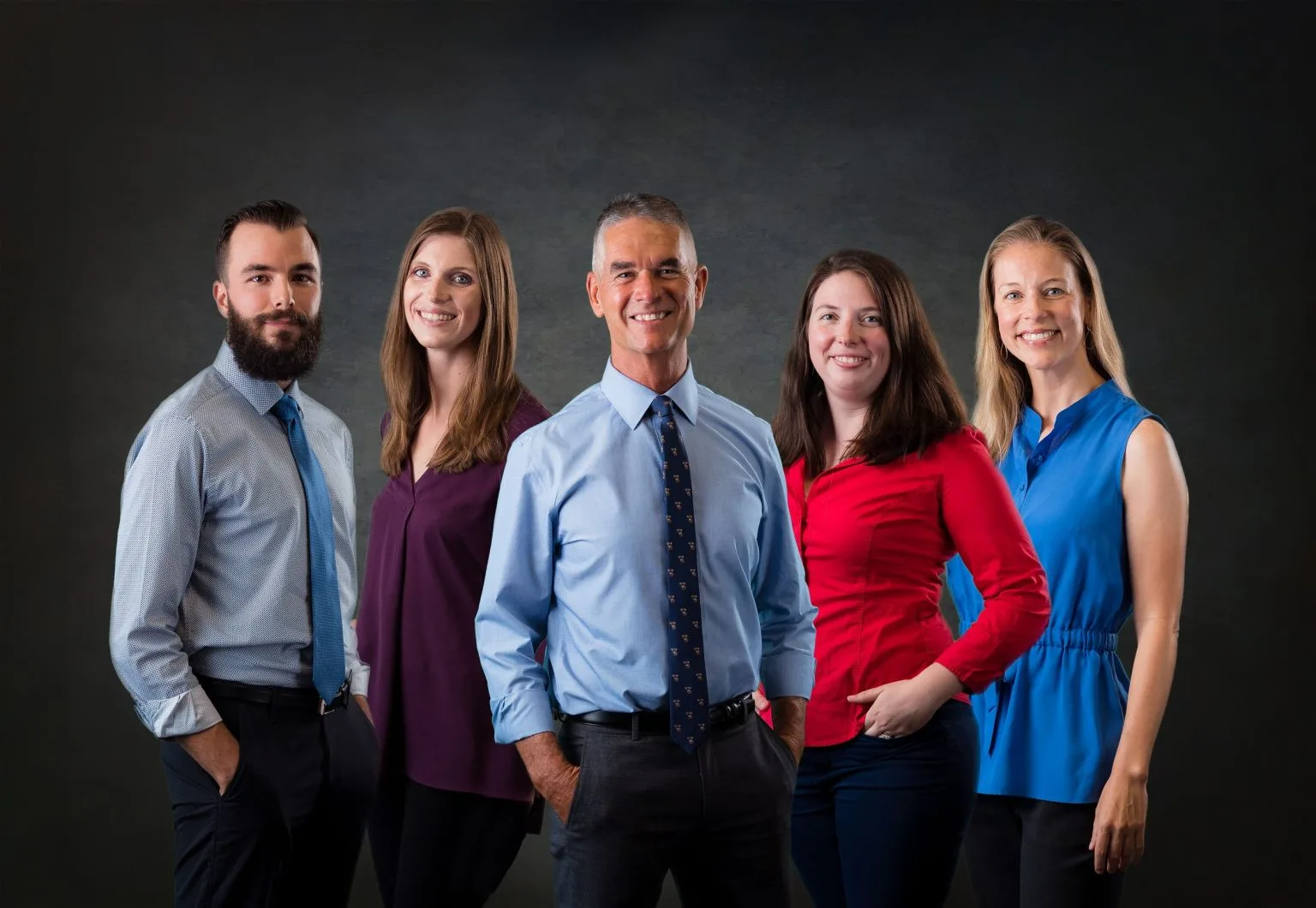
Deep navy, charcoal grey, deep teal, burgundy, and dark green create excellent contrast without overpowering your face. Neutrals like warm cream, soft grey, and classic blue work well as base layers under jackets.
Avoid wearing pure white or solid black shirts on their own. Pure white can wash out under bright studio lights, while solid black can lose detail and appear flat. Steer clear of neon shades, as they cast unflattering color reflections onto your neck and chin.
Opting for Tailored Fits and Clean Lines
The fit of your jacket, blouse, or suit jacket matters far more than high-end brand names. Camera lenses easily catch loose fabric, bunching material, and ill-fitting collars.
Structured pieces like blazers, tailored suit jackets, and fitted dresses instantly frame your neck and shoulders. Ensure jacket lapels lie flat against your chest when standing naturally.
If you choose a button-down shirt, select one with a crisp collar that stays upright without sagging. Properly fitted clothing creates clean, elegant lines that streamline your silhouette on camera.
Keeping Patterns and Accessories Subtle
Your face and expressions should always remain the focal point of your business portrait. Busy patterns and loud accessories distract viewers from connecting with your eyes.
Avoid small pinstripes, tight houndstooth, or micro-checks. These fine patterns cause a distracting shimmering visual glitch called a moiré effect on digital screens. Choose solid fabrics or subtle textures like wool knit or linen weaves instead.
Keep jewelry simple and modest. Small stud earrings, delicate necklaces, and classic watches add polish without stealing attention. Avoid chunky necklaces, dangly earrings, or shiny pieces that catch harsh reflections.
Matching Your Industry Style and Brand
Your wardrobe should reflect your specific line of work and target audience. A corporate attorney requires a different aesthetic than a creative director or tech founder.
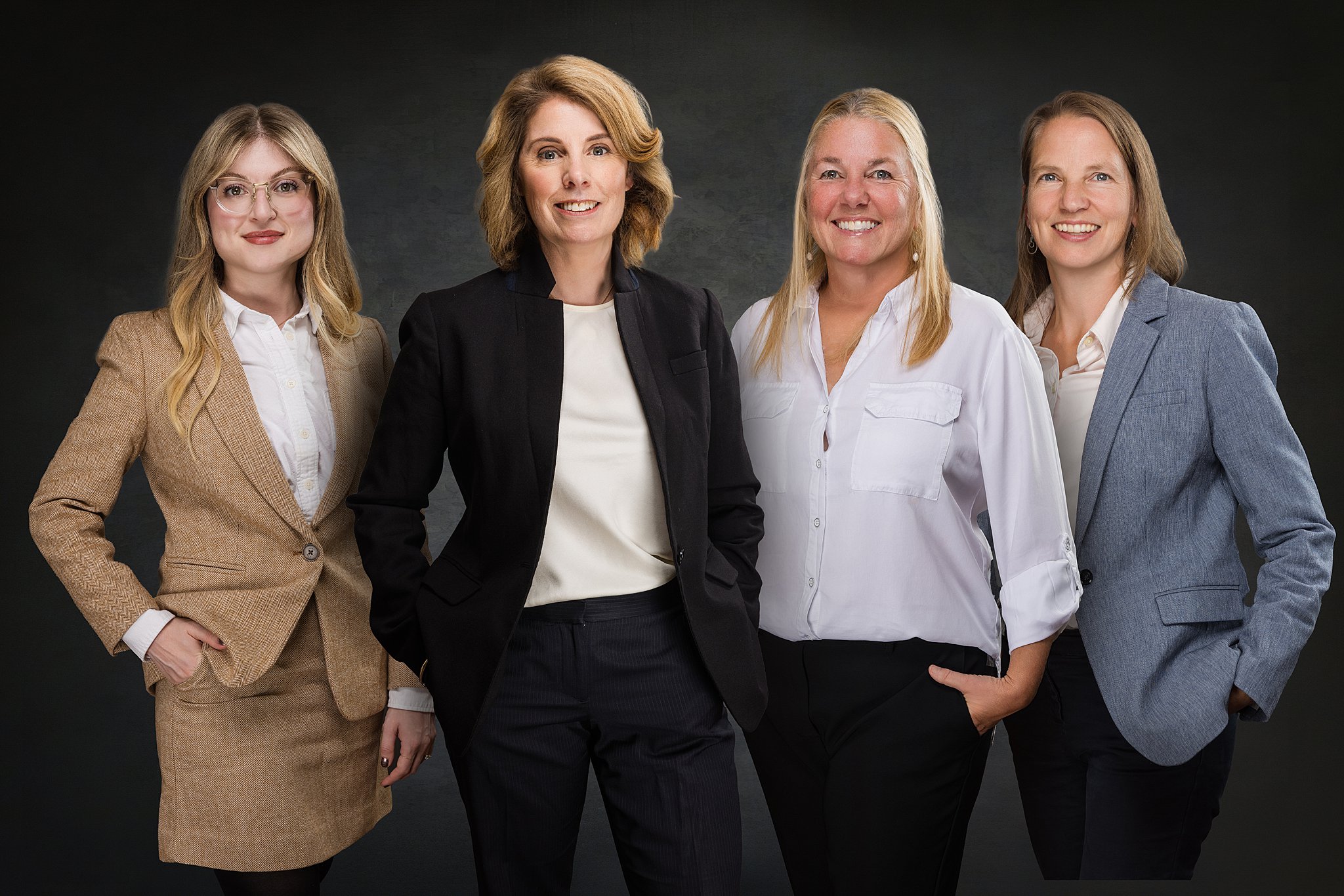
Formal industries like finance, law, and real estate usually call for traditional business attire. Dark suit jackets, crisp collared shirts, ties, or structured dresses fit these fields perfectly.
Creative, tech, or wellness fields often lean toward smart casual style. Unstructured blazers over high-quality tees, tailored sweaters, or stylish blouses strike the right balance between professional and approachable.
Studios like Jon Adams Photography frequently consult with clients beforehand to match wardrobe choices with company branding guidelines.
Preparing Multiple Outfits for Diversity
Bringing two or three distinct outfit options to your session provides valuable gallery variety. You can use different looks across various marketing platforms.
Pair a formal suit jacket with a tie for your primary company website bio. Switch to a high-quality sweater or open-collar blazer for your social media channels or casual speaking engagements.
Having options on set also gives your corporate headshot photographer Vermont studio expert the flexibility to test different backdrops. Trying different necklines ensures you discover the most flattering options on camera.
Essential Grooming and Fabric Care Prep
Small details make a significant difference in the final quality of your portraits. Taking time to prepare your clothing the night before prevents unnecessary editing work later.
Steam or iron all garments thoroughly to eliminate creases and wrinkles. Transport your clothes on sturdy hangers rather than folding them into bags.
Keep a lint roller on hand to remove stray hairs, dust, or pet fur right before stepping in front of the lens. Simple steps like applying lip balm and keeping hair neat ensure a polished, executive appearance.
Investing thought into your attire ensures your business headshots photography Vermont session delivers timeless images you feel proud to share.
To view real client examples and plan your session wardrobe, explore the Vermont Headshot Photographer portfolio curated by Premier Vermont Headshot Photographer Jon Adams.
Frequently Asked Questions
Should I wear a suit jacket for my business headshot?
A suit jacket or tailored blazer is recommended for traditional corporate fields like law, finance, and executive leadership. For casual or creative industries, a crisp collared shirt, sweater, or polished blouse works well without a formal jacket.
Are short sleeves acceptable for professional headshots?
Long sleeves or three-quarter sleeves are generally preferred because exposed arms can draw visual focus away from your face. If you wear short sleeves, ensure the garment has a structured, professional cut.
How far in advance should I plan my headshot wardrobe?
Select and try on your complete outfits at least three to four days before your shoot. This timeline gives you enough room to iron garments, dry-clean jackets, or choose backup options without last-minute stress.