
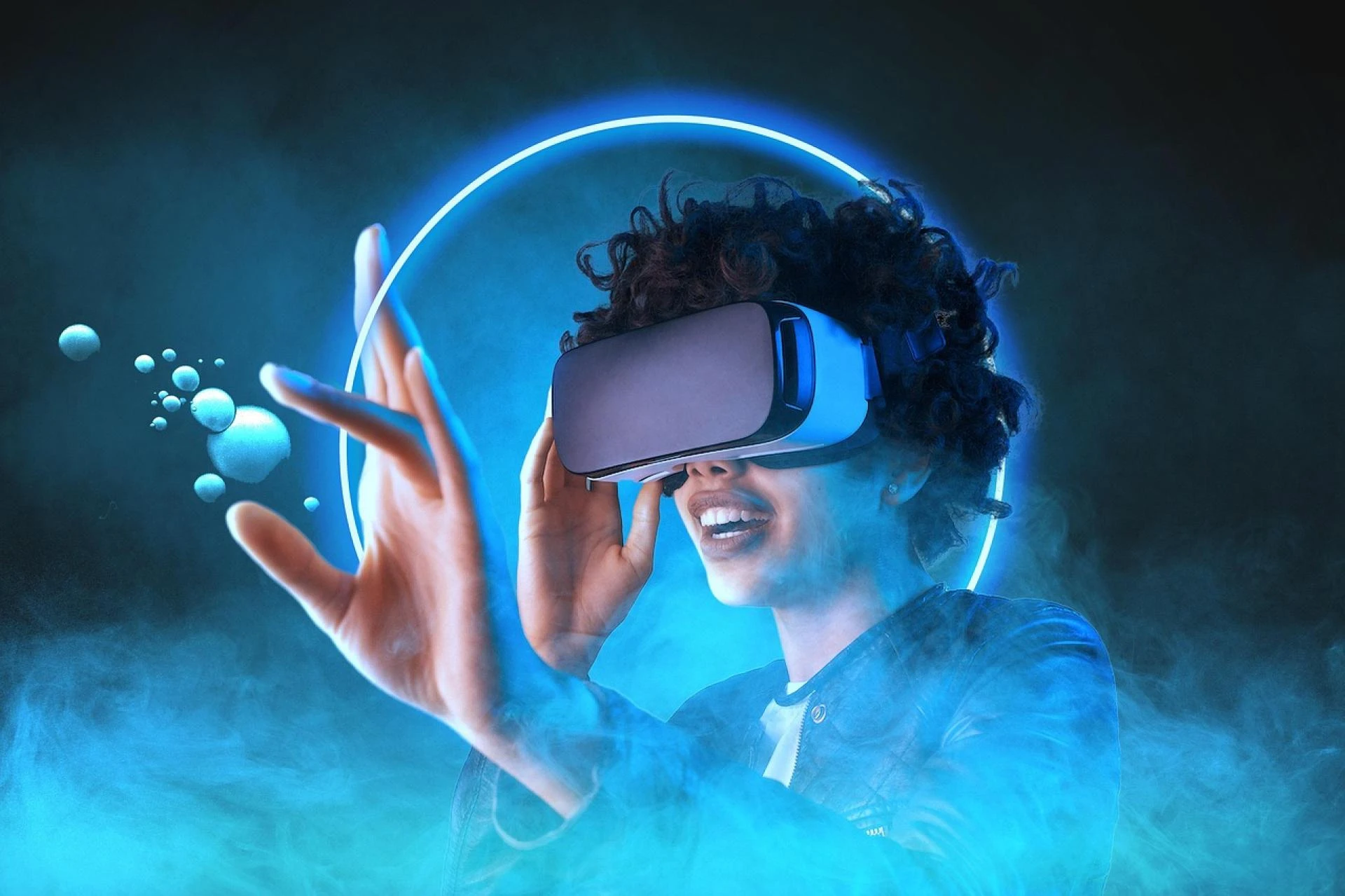
Introduction: Scaling VR Training the Smart Way
As more enterprises explore immersive learning, virtual reality is becoming a core part of modern training programs. But it is one thing to run a pilot project for a small team and another to scale VR across departments, locations, and use cases. The difference lies in the solution you choose.
Finding a reliable VR training company that offers scalable solutions is essential for organizations aiming for long-term impact. From content flexibility to deployment tools, several factors contribute to whether a VR training solution can truly grow with your business.
1. Modular and Customizable Content
A scalable VR solution should never feel rigid. It should support modular training programs that allow for easy updates and content customization. This enables organizations to start small and gradually expand into more complex learning paths without rebuilding from scratch.
Look for platforms that allow you to mix standard training modules with custom-built scenarios. This ensures you can address both general compliance needs and job-specific skills.
2. Multi-Device Compatibility
Scalability also means accessibility. Not every learner will have access to the same hardware. A good VR training solution works across multiple devices — from high-end headsets to desktop simulations or mobile-based viewers.
This flexibility ensures that training can be delivered to remote teams, field workers, or desk-based employees without additional infrastructure investment.
3. Centralized Deployment and Content Management
Managing a growing library of VR modules can be challenging without the right backend system. Scalable solutions come with centralized content management platforms where you can track access, update modules, and deploy new content across different locations instantly.
This reduces the administrative load and allows your L&D team to focus on content strategy rather than logistics.
4. Analytics and Performance Tracking
As your VR program scales, you will need clear insights into how learners are performing and where improvements are needed. Built-in analytics allow you to track engagement, completion rates, and even detailed metrics like decision paths or reaction time.
The right partner should offer dashboards or integration with existing learning management systems, so that reporting remains seamless as your user base grows.
5. Support for Multi-Language and Localization
Global companies often need to roll out training in multiple languages and adapt content to suit regional regulations or workplace norms. A scalable VR solution should support localization efforts easily.
Whether through subtitles, voiceovers, or cultural customization, the training should feel relevant and inclusive no matter where it is delivered.
6. Easy Onboarding and User Experience
A system that is difficult to use will slow down adoption. Make sure the platform is intuitive, well-documented, and supported with onboarding tools such as walkthroughs, help centers, or in-VR tutorials.
This ensures that your internal team, whether tech-savvy or not, can get started quickly and confidently. The smoother the experience, the easier it is to roll out at scale.
7. Reliable Technical Support and Maintenance
Scalability is not just about software features. It is also about having a partner who provides strong technical support as your needs evolve. Look for companies that offer regular updates, bug fixes, and responsive troubleshooting.
An ideal partner will also share roadmaps and offer collaboration in improving modules based on your feedback.
8. Integration with Broader Learning Ecosystems
As part of a comprehensive training strategy, VR modules often work alongside traditional e-learning, instructor-led training, and microlearning tools. A scalable VR platform should integrate smoothly into your existing L&D stack.
APIs, SCORM compliance, or plug-ins for popular LMS platforms are key features to look out for. This integration ensures you do not need to overhaul your systems as you expand your VR initiatives.
9. Security and Data Compliance
When rolling out VR training across multiple teams or regions, safeguarding user data becomes even more critical. Choose a provider that adheres to global data protection regulations and has security protocols in place.
End-to-end encryption, user authentication, and data anonymization should be part of the standard offering.
10. Proven Track Record and Case Studies
Before committing to a provider, ask for case studies or client references. A reliable VR training company will have experience handling complex rollouts, industry-specific challenges, and measurable results.
This gives you confidence that they can support your growth goals and provide scalable solutions tailored to your business.
Conclusion: Future-Proof Your VR Strategy
Choosing a scalable VR solution is not just a tech decision — it is a strategic one. As immersive learning becomes mainstream, your organization needs a partner who can grow with you. A forward-looking VR training company will offer not just content but an entire ecosystem that adapts to your changing needs.
To see how industry leaders are implementing scalable solutions with ease, follow AutoVRse on LinkedIn, Instagram, and Twitter for updates, client success stories, and product innovations.