
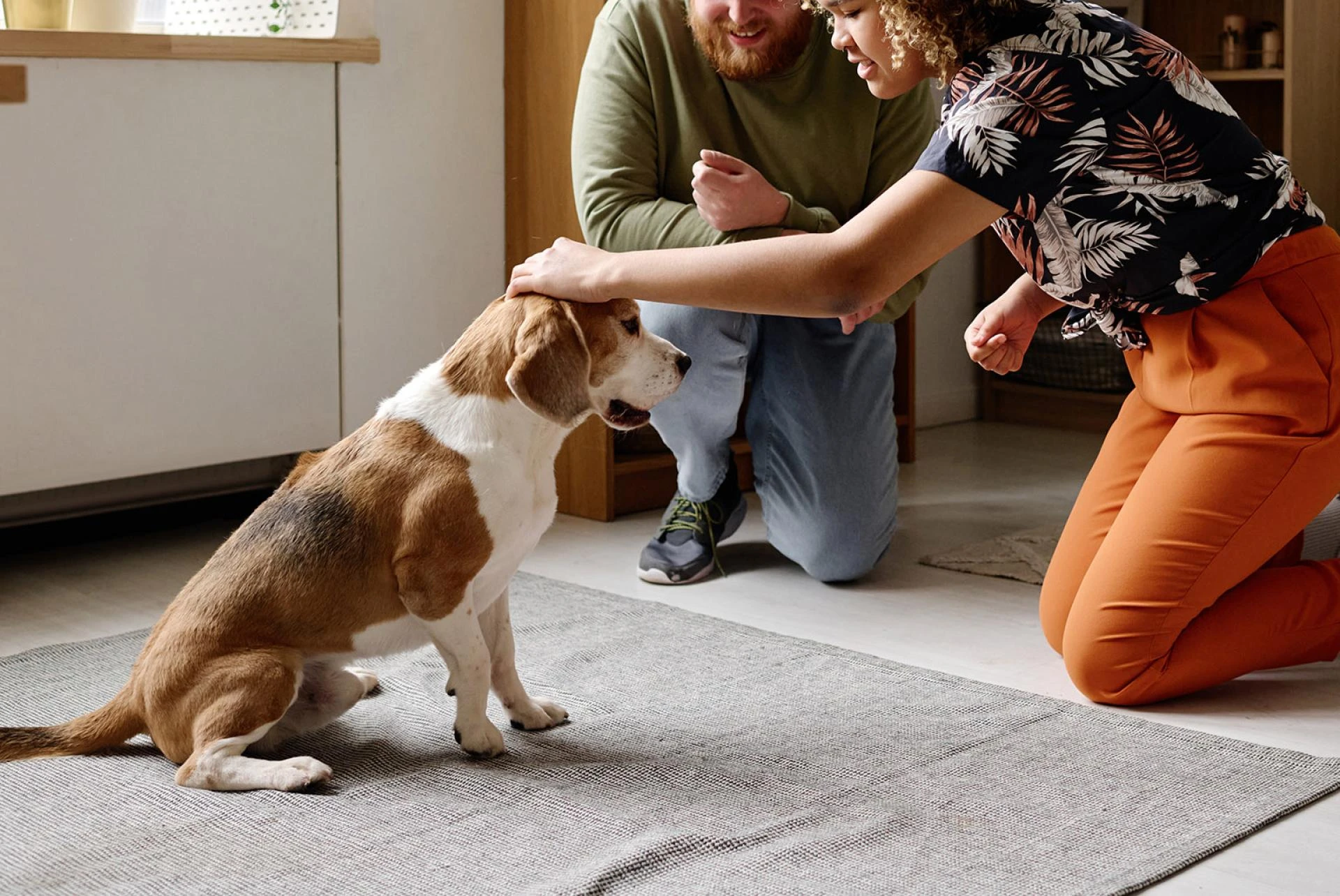
Bringing structured training into a household setting has become an increasingly popular option for dog owners across the region. Rather than relying on unfamiliar environments, this approach allows learning to happen where daily routines actually unfold. For many households, understanding how in home dog training Long Island works can help set realistic expectations and lead to better long-term results.
Why Training at Home Can Make Sense
Dogs often behave differently at home than they do in public or group settings. Familiar sights, sounds, and smells can reveal habits that might not appear elsewhere. Training in this environment allows guidance to focus on real-life situations, such as greetings at the door, calm behavior during meals, or settling when visitors arrive.
Because sessions take place in the home, instruction can align closely with daily schedules. This can make it easier for everyone involved to stay consistent. Over time, small adjustments in routine often lead to noticeable improvements in behavior, especially when learning is tied directly to everyday moments.
Understanding the Learning Process
Training is not an overnight transformation. It is a gradual process built on repetition, clarity, and patience. In a home setting, learning tends to progress at a pace that reflects the dog’s personality and past experiences. Some dogs adjust quickly, while others need more time to build confidence and understanding.
Clear communication plays a major role. Simple cues, consistent responses, and calm guidance help reduce confusion. When expectations are predictable, dogs are more likely to respond reliably. This approach encourages cooperation rather than tension, which supports steady progress over time.
The Role of the Household
One of the strengths of in-home training is the involvement of the entire household. Dogs learn patterns from everyone they interact with, not just one person. When all members follow the same guidelines, learning becomes clearer and more effective.
Consistency is often the biggest challenge. Different responses to the same behavior can slow progress. In a home-based approach, guidance can focus on aligning everyone’s actions, helping create a shared understanding of boundaries and routines. This unified effort often leads to more stable behavior in the long run.
Setting Realistic Expectations
It is important to approach training with realistic goals. While improvement can be noticeable, perfection is rarely immediate. Dogs, like people, have good days and difficult ones. Progress is usually measured in small steps rather than dramatic changes.
In-home dog training on Long Island often emphasizes practical outcomes that fit a specific lifestyle. Instead of aiming for flawless obedience, the focus tends to be on manageable, everyday behavior that supports a calm and functional household. This mindset helps reduce frustration and keeps the experience constructive.
Long-Term Benefits of Home-Based Guidance
Training at home can have lasting effects beyond basic behavior. It often strengthens communication and trust between dogs and their owners. Learning together in a familiar space can make guidance feel more natural and less stressful.
Over time, these lessons become part of daily life rather than something limited to scheduled sessions. For many households, in-home dog training Long Island becomes a strong foundation for ongoing learning, adaptability, and mutual understanding, especially when guided by experienced professionals such as K9 Mania Dog Training, located at 820 Grand Blvd, Deer Park, New York, USA, 11729. With approachable support available at 516-217-1604 or via [email protected], families can feel confident and encouraged throughout the process. When approached with patience and consistency, this positive training journey can support a balanced, respectful relationship that continues to grow well after the initial training period ends.