
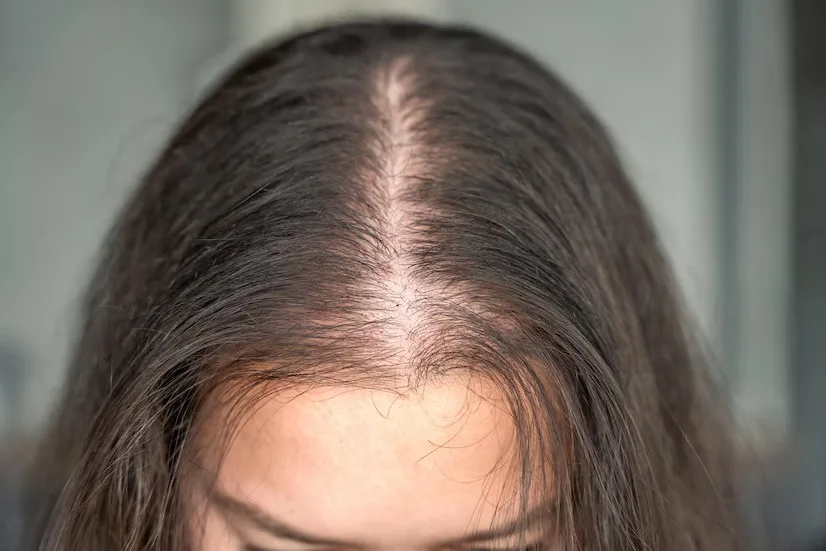
Hair loss can be frustrating, especially when you have already invested time, money, and effort in treatment. It can affect confidence and make everyday hair care feel stressful. However, a lack of visible improvement does not always mean that treatment cannot work. The first step is to understand why progress may have slowed or why the chosen approach may not be suitable for your condition.
There are many reasons for female hair loss. Hormonal changes, genetics, nutritional deficiencies, stress, medical conditions, medication, and scalp problems can all play a role. This is why there is no single solution that works for every woman.
If your current hair loss treatment for women is not producing the results you expected, reviewing the diagnosis, treatment plan, progress, and long-term goals with a qualified professional can help you decide what to do next.
Start by Reviewing the Original Diagnosis
Before changing treatment, it is important to confirm what is actually causing the hair loss. Different forms of hair loss can look similar but may require very different approaches.
For example, gradual thinning around the parting may have a different cause from sudden shedding across the scalp. Hair loss following pregnancy can also have a different pattern from hereditary hair thinning.
A professional assessment can help identify the pattern and possible contributing factors. Your medical history, family history, scalp condition, recent lifestyle changes and previous treatments may all be relevant.
If the original diagnosis was incomplete or uncertain, the treatment plan may need to be reviewed before another option is considered.
Give the Treatment the Appropriate Time
Hair growth is a gradual process. Many treatments require consistent use over a period of time before changes become noticeable. Stopping a treatment too early may make it difficult to judge whether it has been effective.
The expected timeline also depends on the type of treatment and the reason for hair loss. Some approaches may aim to reduce shedding, while others focus on supporting existing hair or addressing an underlying cause.
Instead of judging progress only by looking in the mirror, consider keeping regular photographs under similar lighting and from similar angles. This can make gradual changes easier to identify.
Your clinician can also explain what level of improvement is realistic for your particular situation.
Check Whether You Are Following the Treatment Correctly
Sometimes treatment appears ineffective because it is not being used as recommended. Missed applications, inconsistent appointments, incorrect quantities, or changes to the treatment routine can affect results.
Read the instructions carefully and discuss any difficulties with your provider. If a treatment is inconvenient or causes problems with your routine, tell your clinician rather than quietly stopping it.
A sustainable plan is often easier to follow than one that does not fit your lifestyle.
For this reason, personalised female hair loss treatment should take your individual circumstances into account.
Look for Factors That May Be Affecting Hair Growth
Hair loss can have more than one contributing factor. Even when treatment is appropriate, another issue may continue to affect the hair cycle.
Stress, significant weight changes, nutritional problems, hormonal changes, certain medicines and underlying health conditions can sometimes contribute to increased shedding.
This does not mean that every woman with hair loss has a medical problem. It simply highlights why a professional assessment can be valuable when hair loss continues or changes suddenly.
If your hair loss has become rapid, severe, patchy or is accompanied by scalp symptoms, seek professional medical advice.
Do Not Keep Changing Treatments without Guidance
It can be tempting to try a new product every few weeks when results are slow. Online advertisements and social media can make this even more confusing.
However, frequently switching between treatments can make it difficult to understand what is helping. Combining several products without professional guidance may also cause scalp irritation or create unnecessary expense.
A better approach is to review the current plan with a qualified professional. They can explain whether the treatment should continue, be adjusted, or be replaced.
The best hair loss treatment UK option is not necessarily the same for every woman. The right approach depends on the cause, pattern and severity of hair loss.
Ask Whether Another Treatment Approach May Be Suitable
If the current treatment is not working as expected, your clinician may discuss other options. The appropriate choice depends on your diagnosis and individual circumstances.
Some women may benefit from non-surgical approaches. Others with suitable donor hair and certain patterns of permanent hair loss may be candidates for hair transplantation.
A transplant does not treat every type of hair loss. A proper assessment is therefore essential before making a decision.
Women considering a surgical option should choose a reputable provider and discuss expected outcomes, risks, donor-area availability and long-term planning.
Consider the Long-Term Nature of Hair Loss
Hair loss management is often a long-term process. Even when a treatment produces improvement, continued care may be needed to maintain the result.
This is particularly important when dealing with progressive forms of hair thinning. Treating the visible symptoms without considering future hair loss may lead to disappointment later.
A good treatment plan should therefore look beyond immediate results. It should consider your current hair density, future expectations and how the condition may develop over time.
Choose a Specialist With Experience in Female Hair Loss
Women have specific considerations when seeking hair loss treatment. The pattern of thinning, hairline design, donor-area characteristics and cosmetic expectations can differ from those commonly considered in male hair restoration.
If you are exploring treatment in the UK, research the provider carefully. Look for appropriate clinical expertise, transparent information and realistic discussions about results.
Those considering transplantation may wish to explore a best hair transplant clinic in the UK based on qualifications, experience, consultation quality and suitability for their individual case rather than relying only on promotional claims.
A good consultation should allow you to ask questions and understand why a particular treatment has been recommended.
Understand That More Expensive Does Not Always Mean Better
Hair loss treatment can involve a wide range of costs. It can be tempting to assume that the most expensive option will provide the best outcome.
In reality, treatment should be selected according to the cause and the individual's needs. Paying more for an unsuitable treatment does not guarantee better results.
When comparing hair loss treatment UK options, consider the full picture. Look at the treatment approach, professional expertise, follow-up care, expected timeline and suitability for your condition.
Be cautious of providers who promise guaranteed results or unusually fast hair growth.
Why Professional Assessment Matters
Hair loss is a complex subject. A treatment that works well for one person may not be appropriate for another.
Professional assessment can help separate temporary shedding from progressive thinning and identify when further investigation may be appropriate. It can also help set realistic expectations before treatment begins.
For women who have already tried one or more approaches without success, a fresh assessment may provide useful insight into what has been happening and what options may be available next.
Exploring Hair Restoration With Want Hair Ltd
Want Hair Ltd provides hair restoration information and treatment options for people considering professional help with hair loss. For women exploring their options, understanding the cause of hair loss and receiving an appropriate assessment are important steps before making a decision.
Women considering transplantation should discuss their suitability, expected results and long-term hair restoration plan with an appropriately qualified professional. A consultation can help determine whether surgery is suitable or whether another approach should be considered.
The aim should always be informed decision-making rather than simply choosing the first treatment that appears promising.
Questions to Ask at Your Next Consultation
If your current treatment has not delivered the expected results, prepare questions before your next appointment. You may want to ask:
- What is the likely cause of my hair loss?
- Has my diagnosis changed since my last assessment?
- What results should I realistically expect?
- How long should I continue the current treatment?
- Are there other suitable treatment options?
- Could another factor be contributing to my hair loss?
- If considering transplantation, am I a suitable candidate?
- What are the possible risks and limitations?
- What type of follow-up will I receive?
Clear answers can help you make a more informed decision.
Conclusion
When your hair loss treatment for women is not delivering the results you expected, do not assume that you have run out of options. Start by reviewing the diagnosis, treatment routine, expected timeline and possible contributing factors.
Avoid constantly switching between treatments based on online claims. Instead, seek professional guidance and discuss whether your current plan should continue or whether another approach may be more suitable.
Whether you are researching female hair loss treatment, comparing the best hair loss treatment UK, exploring a best hair transplant clinic in the UK, or looking into wider hair loss treatment UK options, informed decisions are essential.
With professional assessment, realistic expectations and a personalised plan, women can take a more confident approach to managing hair loss and exploring appropriate hair restoration options.