Replacing an old sofa, dining table, mattress, or bedroom set can make a room feel completely different. However, buying something new often creates another question: what should happen to the furniture that is already there?
Large pieces are rarely as simple to dispose of as household garbage. They can be heavy, difficult to transport, and too large for regular collection. Before leaving old furniture on the curb, it is worth considering whether it can be reused, donated, recycled, or professionally removed.
Decide Whether the Furniture Still Has Life Left
The first step is to look at the condition of each piece. Furniture with minor scratches, worn fabric, or cosmetic damage may still be useful.
A sturdy table might work in a garage or workshop, while an older bookshelf could be useful in a basement or storage area. If you no longer need the item but it remains functional, someone else may be able to use it.
However, severely damaged or unsafe furniture is usually a different matter. Broken frames, extensive water damage, mold, pest problems, or structural weaknesses can make donation or resale impractical.
Consider Donation Before Disposal
Furniture that is clean and usable may be suitable for donation. Local charities, community organizations, and reuse centers sometimes accept sofas, tables, chairs, beds, and other household furnishings.
Check the organization's requirements before arranging transportation. Some facilities only accept certain types of furniture or may have specific rules about condition.
Donation can be especially useful when replacing several pieces at once. Instead of having everything removed as waste, usable furniture can potentially find another home.
Think About the Size of the Furniture
Large furniture can create logistical problems even when it is no longer wanted. A sectional sofa may not fit inside a standard vehicle, while a heavy wardrobe may require several people to carry it safely.
Measuring the item and considering how it can be moved through doorways, staircases, and hallways can help determine the best approach.
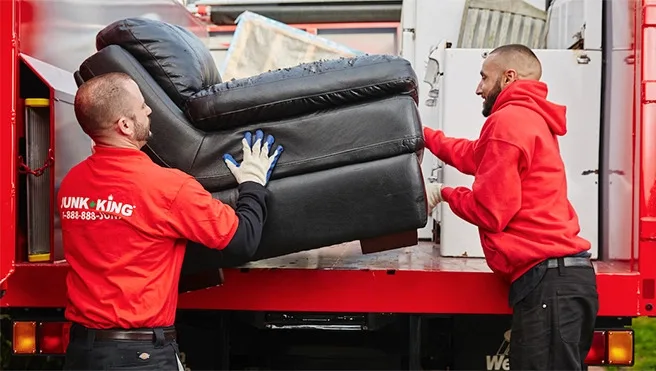
For homeowners dealing with multiple bulky pieces, junk removal services can simplify the physical side of the process. Professional crews can handle the lifting and transportation, which can be particularly helpful when furniture is located upstairs or in difficult-to-access areas.
Do Not Forget Mattresses and Box Springs
Mattresses are another common challenge during furniture replacement. Unlike smaller household items, they are difficult to store temporarily and can be awkward to transport.
Before arranging disposal, check local requirements for mattresses and box springs. Some communities have dedicated recycling programs, while other locations have specific collection procedures.
If the mattress is still in good condition, donation may be possible, although many organizations have strict hygiene and condition requirements.
Knowing the local rules can prevent an old mattress from becoming an unexpected disposal problem.
Break Down What Can Be Safely Dismantled
Some furniture can be taken apart before removal. Removing table legs, shelving components, drawers, or other detachable pieces may make transportation easier.
However, avoid dismantling furniture if doing so could create sharp edges, unstable pieces, or unnecessary damage. Keep screws and small hardware together if the item may be reused.
For furniture that is already damaged beyond repair, dismantling it may also help separate recyclable materials such as metal components from other materials.
Look at Recycling Possibilities
Furniture can contain several different materials. A wooden table may include metal hardware, while upholstered furniture can contain fabric, foam, wood, and other components.
Some recycling facilities accept particular furniture materials, but availability varies by location. Check with local waste or recycling facilities before assuming an item can be placed in a recycling bin.
If you are using junk removal services, it can also be useful to ask how collected furniture is handled. Depending on its condition and material, some pieces may be directed toward reuse, donation, recycling, or disposal.
Plan the Replacement and Removal Together
Timing matters when replacing large furniture. Ideally, the old item should not remain in the room for days after the replacement arrives.
Before ordering new furniture, consider how the old piece will leave the property. This is especially important for apartments, condos, and homes with narrow stairways.
If delivery and removal are scheduled separately, leave enough space for both activities. A new sofa arriving while the old one is still blocking the entrance can quickly turn a simple replacement into a logistical headache.
Avoid Leaving Furniture Outdoors for Too Long
Putting an unwanted sofa, mattress, or wooden cabinet outside may seem like an easy temporary solution. Unfortunately, exposure to rain, snow, moisture, and pests can quickly damage furniture.
Once an item becomes soaked or heavily damaged, donation and reuse may no longer be realistic. It can also create an eyesore and potentially violate local waste collection rules.
If the furniture is ready to leave the property, arrange an appropriate removal or disposal method rather than storing it outside indefinitely.
Ask the Right Questions Before Booking a Removal
When arranging professional removal, it helps to provide accurate information about what needs to be collected. Mention the number and type of furniture pieces, where they are located, and whether stairs or restricted access are involved.
You can also ask about pricing, accepted materials, estimates, and how the company handles reusable or recyclable items.
For a single chair, the process may be relatively straightforward. A complete bedroom or living-room replacement may require more planning. Providing details in advance allows the removal company to understand the job before the appointment.
Replacing old furniture can be an opportunity to improve both the appearance and functionality of a home. By considering reuse, donation, recycling, and responsible disposal before simply throwing items away, homeowners can make the transition smoother. A little planning also helps ensure that the old furniture leaves the property safely and that the new pieces have a clear path into their new space.