
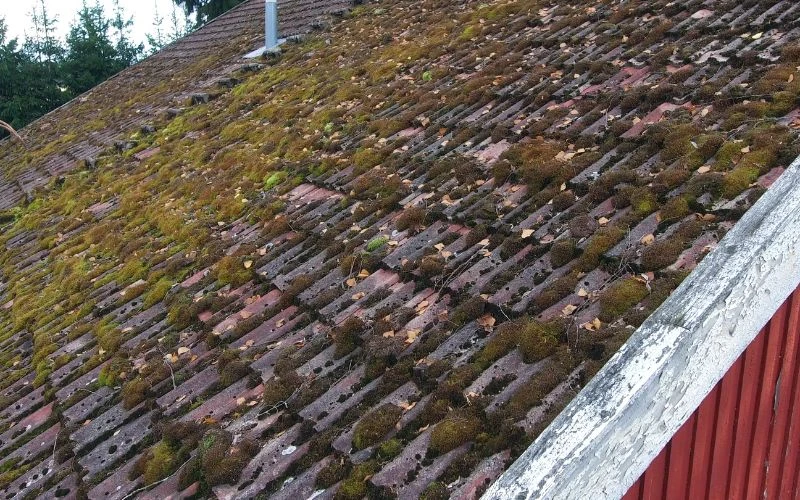
"Moss may look harmless, but if you don't do anything about it, it can slowly destroy a roof from the inside out." Moss buildup is one of the most common reasons why roofs get damaged in the suburbs of Melbourne without anybody knowing. At first, those green, squishy places may not seem like a huge concern, but over time, they trap moisture, weaken tiles, and cause structural damage that is expensive to fix.
The time of year has a huge impact on how successfully moss removal works. It will be for nothing if you take it out at the incorrect time of year. It won't grow back at all if you do it at the right time. Cleaning and preventing moss on roofs with professional roof sealing specialists in Coburg can save homeowners hundreds of dollars in future repair costs.
Why Does Moss Grow on Roofs?
Moss thrives best in areas that are cool, damp, and shaded. Roofs that are shaded by trees or don't get a lot of sun are the most likely to be damaged. Moss can also raise tiles and block drainage, which might let water into the roof hollow. It's not just about how it looks.
The key causes are:
- Bad drainage means that water lingers after it rains.
- Overhanging trees cause shaded areas to hold more water.
- Tiles with holes in them let things grow when they get older.
- Dead plants and dirt grow quickly if not taken care of.
You will know when and how to treat moss properly if you know these facts.
What Time of Year Is Best for Moss Removal?
The greatest period to get rid of moss on a roof is from late spring to early summer. During these months, the weather is nice, there isn't much rain, and the roofs are dry enough to be cleaned and treated well. Why this time is the best:
- Dry surface, moss comes off easily without spreading spores.
- Cleaning agents and sealants work better in warm, dry air.
- Keeps moisture from building up before the big rains come back.
People in Mulgrave frequently clean and seal their leaking roofs with specialists, normally in the spring, to keep moss from coming back in the winter.
How to Get Rid of Moss and Dark Spots Fast
Cleaning a roof that has moss on it is dangerous, so you need to be careful and adhere to a plan. The right approach not only easily rid of growth, but it also keeps it from coming back.
What to do:
- Low-Pressure Cleaning or Soft Brushing— This gets rid of visible moss without damaging the coatings.
- Apply a Moss Treatment Solution – Kill spores and roots that are located at the unseen surface.
- Rinse Well—Make sure to rinse well so that any leftover material doesn't damage tiles or Colorbond surfaces.
- Seal and Protect—Proper covering keeps moisture out
Pros and Cons of Professional Moss Removal
Pros:
- Makes the roof last longer
- Improves the look of the outside right away
- Stops harm to buildings and water
- Increases reflectivity, which makes energy consumption more effective.
Cons:
- Needs tools and safety gear that are made for professionals
- Do-it-yourself projects can harm delicate surfaces.
- Results are different if you don't treat them at the proper time of year.
FAQ
How Often Should Roof Moss Be Removed?
Every 2 to 3 years, or sooner if you live near the shore or in a shady area.
Does Moss Damage Roof Tiles?
Yes, it keeps moisture in and can cause tiles to lift or break over time.
What’s the Safest Way to Clean a Roof?
Using solutions that aren't harmful and washing with soft water or low pressure.
Can Moss Return After Treatment?
Yes, however, it is far less likely to happen again if you clean and maintain the coatings regularly.
Final Thoughts
To get rid of moss on a roof, you need to know when and how to do it. If you take it out in late spring or early summer, it will last longer and keep moisture from getting in before the wet season. Coburg and Mulgrave have professional roof repair services that safeguard your roof for a long time, whether they are restoring small portions or covering the full roof. Moss removal is more than just maintenance when done right. It's a way to safeguard the entire building and help the roof survive a long time.