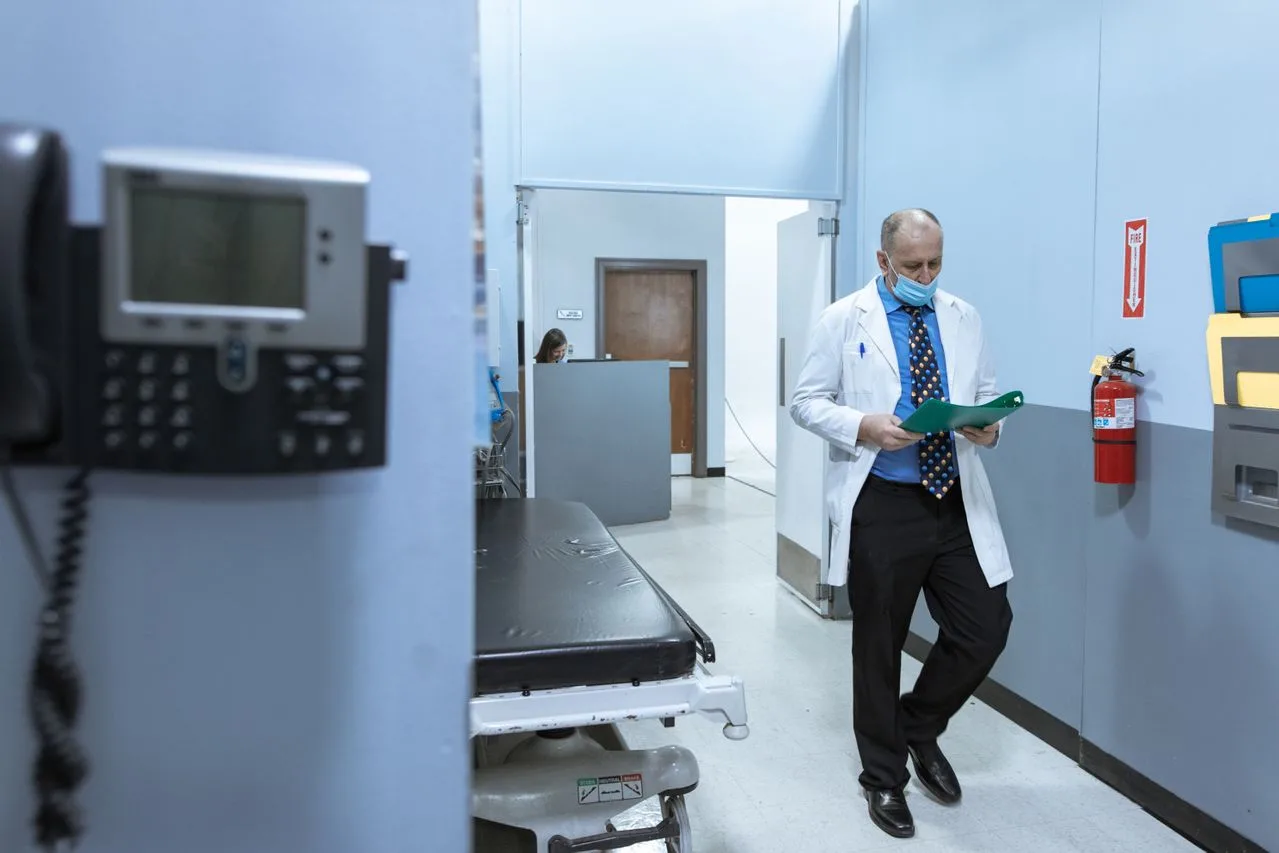
When you wake up with a fever, a twisted ankle, or a persistent cough that will not go away, you often face a choice between waiting days for an appointment with your primary care physician, heading to the emergency room, or visiting an urgent care center. Many people choose urgent care because it sits between these two options, offering faster service than traditional doctor's offices at lower costs than hospital emergency departments. Understanding what happens during a visit can help you prepare both mentally and practically for the experience. The typical flow of an urgent care visit begins the moment you arrive and continues until you leave with discharge instructions in hand. Knowing each phase in advance removes uncertainty and allows you to focus on getting the care you need.
Arrival and Check-In Process
You will notice that the arrival process at an urgent care center moves quite differently from a hospital emergency room. Upon walking through the doors, you will typically encounter a front desk with one or more staff members ready to greet you. They will ask for your insurance information, photo identification, and a brief questionnaire about your medical history and current symptoms. This paperwork usually takes five to fifteen minutes, depending on how busy the facility is and how detailed your medical background might be. Some urgent care centers offer online check-in options that you can complete before arriving, which can reduce the time spent at the front desk. After completing the administrative portion, you will receive confirmation of your check-in and will be directed to a waiting area.
Waiting and Vital Signs Assessment
The waiting period at an urgent care center is typically shorter than what you would experience at a hospital, though the exact timeframe depends on current patient volume and the complexity of cases being treated. While you wait, a nursing assistant or nurse will call your name and take you to a back room or curtained area to record your vital signs, including blood pressure, temperature, heart rate, and respiratory rate. This process usually takes just a few minutes and gives medical staff initial information about your condition before the provider sees you. You will then return to the waiting area until a physician or nurse practitioner becomes available. In less busy periods, this wait might be minimal, sometimes just ten to twenty minutes, while peak hours can extend that window, though most urgent care centers aim to see patients within thirty to forty minutes of arrival.
Examination and Treatment
Once you are called back to an examination room, you will meet with a healthcare provider, either a physician, nurse practitioner, or physician assistant, who will review your intake forms and ask more detailed questions about your symptoms, when they started, and what you have already tried. The provider will then perform a physical examination appropriate to your condition, which might include listening to your lungs, checking your range of motion, or examining a wound or injured area. Depending on what they find, they may order diagnostic tests such as blood work, a urinalysis, or an X-ray, and many facilities have basic imaging and laboratory equipment on-site so these tests can be completed during your visit. Visiting a reputable urgent care in South Tampa generally means access to on-site diagnostics and qualified providers who can carry out these evaluations without sending you elsewhere. The provider will then discuss their findings with you, explain what is causing your symptoms, and outline the available treatment options.
Treatment Administration and Discharge
After the provider determines a diagnosis, treatment will begin if it is needed during the visit. This might involve administering antibiotics through an injection, applying topical medications, wrapping a sprained joint, or suturing a minor laceration. Some treatments are completed in full during your visit, while others require follow-up care at home through prescriptions or activity modifications. Before you leave, you will receive discharge instructions covering your diagnosis, any medications prescribed, activity restrictions, follow-up care recommendations, and warning signs that would indicate a need for emergency care. Urgent care centers are designed to handle a broad range of acute, non-life-threatening conditions efficiently, which is reflected in the thoroughness of the discharge process. A staff member will walk you through these instructions, answer any remaining questions, and direct you to the checkout desk to handle billing matters and receive copies of your visit documentation.
Overall Timeline and Expectations
The total time from arrival to discharge at an urgent care center typically ranges from one to two hours, though this varies based on the complexity of your condition and the volume of patients being seen. The efficiency of urgent care stems from its focus on treating common acute illnesses and injuries without the specialized equipment and extended procedures that characterize hospital care. You will move through distinct phases of care, each with its own purpose and approximate timeline, and staff members will generally keep you informed about what to expect at each step. Understanding this flow helps you plan accordingly and know roughly how long your visit might take. Most urgent care centers operate with the goal of moving patients through the process thoroughly while minimizing unnecessary delays.
Conclusion
Walking into an urgent care center and moving through the care process from start to finish involves several distinct stages, beginning with administrative check-in and progressing through vital signs assessment, medical evaluation, treatment, and discharge with instructions for ongoing care. Each phase serves a specific purpose in ensuring you receive an appropriate evaluation and treatment for your acute health concern. The experience is generally more streamlined than a hospital visit but more thorough than a brief office appointment. By understanding what to expect at each stage, you can approach a visit with realistic expectations about timing and outcomes. This awareness supports more informed decisions about when urgent care is the right fit for your healthcare needs.