Designer jackets for women have become a versatile part of modern wardrobes, offering a practical way to add structure, style, and personality to an outfit. From tailored blazers to cropped jackets and statement outerwear, the right jacket can work across casual, professional, and occasion-based looks.
But choosing a designer jacket is not simply about appearance. Fabric, fit, construction, styling options, and the occasion all influence whether a jacket works well in a wardrobe.
What Are Designer Jackets for Women?
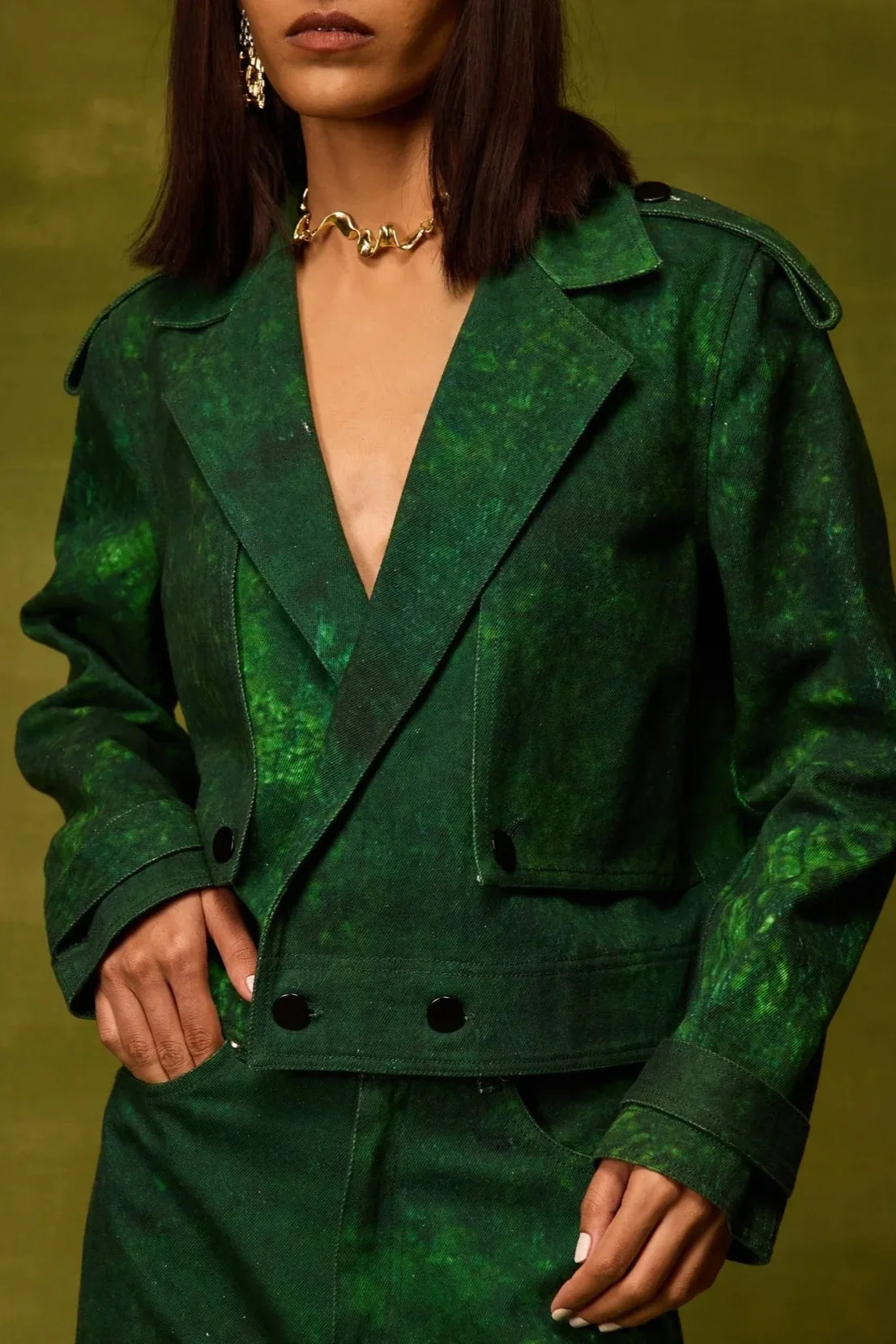
Designer jackets for women are fashion jackets created with particular attention to design, fabric, tailoring, and finishing. They can range from structured blazers and cropped silhouettes to embellished, printed, or contemporary statement jackets.
Unlike basic outerwear designed mainly for warmth, designer jackets often play a stronger role in completing an outfit. They can be worn as a layering piece over dresses, shirts, tops, or coordinated separates.
How Do You Choose the Right Designer Jacket?
The first consideration should be the fit. A well-fitting jacket should sit comfortably on the shoulders without restricting movement. The length and shape should also complement the proportions of the outfit underneath.
Next, consider the fabric. Linen and lightweight cotton can be useful for warmer weather, while velvet, wool blends, and heavier textiles may be better suited to cooler seasons or evening dressing.
The jacket's silhouette is equally important. A tailored blazer can create a polished appearance, while a cropped jacket may work well with high-waisted trousers or skirts. Oversized styles can provide a relaxed, contemporary look when balanced with more fitted pieces.
Which Types of Designer Jackets Are Popular?
There are several styles worth considering:
- Tailored blazers: Suitable for workwear, dinners, and polished everyday outfits.
- Cropped jackets: Work particularly well with high-waisted bottoms and dresses.
- Printed jackets: Can add visual interest to a relatively simple outfit.
- Statement jackets: Useful when the jacket is intended to become the main focus of a look.
- Lightweight jackets: Practical for transitional weather and indoor layering.
The best choice depends on personal style, climate, wardrobe needs, and how frequently the jacket will be worn.
How Can You Style Designer Jackets for Women?
A designer jacket can be paired with a simple top and trousers for a balanced everyday outfit. Wearing a structured jacket over a dress can create a more defined silhouette, while pairing a statement jacket with understated separates allows the outer layer to stand out without making the outfit feel excessive.
For a coordinated appearance, consider matching the jacket with trousers, skirts, or other pieces from the same collection. Alternatively, contrasting textures and colours can create a more individual look.
What Should You Look for in a Quality Jacket?
Beyond the overall design, examine details such as stitching, lining, buttons, closures, seams, and fabric quality. A jacket that is intended for regular wear should be comfortable and easy to layer.
Versatility is another useful consideration. A jacket that works with several outfits can provide more value than one designed for a single occasion.
Brands such as Pocketfull of Cherrie offer different contemporary jacket styles that can be considered alongside dresses, trousers, skirts, and coordinated separates. The important factor is to choose a design that fits naturally into your existing wardrobe rather than selecting a piece solely because it follows a current trend.
Are Designer Jackets Suitable for Different Occasions?
Yes. The same category can cover a wide range of occasions. A minimalist blazer may suit professional settings, while a distinctive printed or embellished jacket can work for parties and evening events. Lightweight styles can also be useful for brunches, travel, and casual gatherings.
Ultimately, designer jackets for women are most useful when they combine design with practicality. Considering fit, fabric, silhouette, versatility, and the occasions for which you intend to wear the jacket can make it easier to select a piece that remains relevant beyond a single season.