Missing teeth can affect more than the appearance of a smile. They may make chewing difficult, affect speech, and change how a person feels about their teeth. Dental implants are one option for replacing missing teeth, but understanding the procedure, healing process, costs, and possible alternatives can help people make informed decisions.
Before choosing dental implants, it is important to understand how they work, who may be a suitable candidate, and what to expect throughout treatment.
What Are Dental Implants?
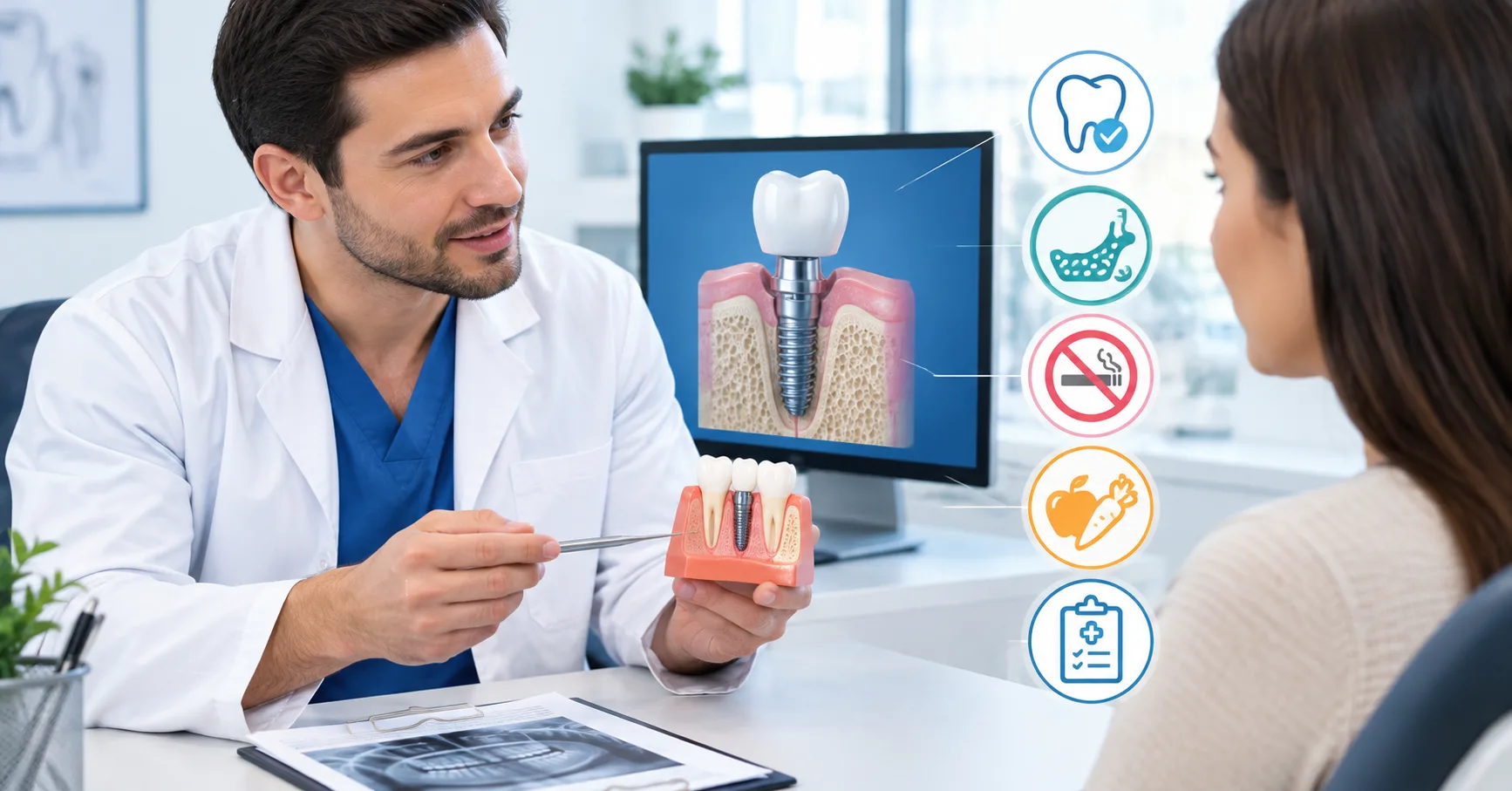
Dental implants are artificial tooth roots placed into the jawbone to support replacement teeth. They are commonly made from biocompatible materials, such as titanium, that can bond with the surrounding bone during healing.
A typical dental implant restoration includes three main components:
- Implant: The part placed in the jawbone that acts as an artificial tooth root.
- Abutment: The connector that attaches the replacement tooth to the implant.
- Crown or prosthesis: The visible replacement tooth, bridge, or denture supported by the implant.
Depending on how many teeth are missing, implants may support a single crown, a bridge, or a full arch of replacement teeth.
Who May Be a Suitable Candidate for Dental Implants?
Dental implants may be suitable for adults who have lost one or more teeth and want a stable replacement option. However, suitability depends on several factors, and a dental examination is necessary before treatment can be recommended.
Important considerations include:
Jawbone health: The jawbone must provide adequate support for the implant. If bone loss has occurred, bone grafting may sometimes be considered before implant placement.
Healthy gums: Gum disease should be assessed and treated before implant surgery. Healthy gum tissues help support long-term oral health around the implant.
General health: Certain medical conditions and medications can affect healing or increase the risk of complications. A dental professional should review the patient's medical history before treatment.
Oral hygiene habits: Dental implants require consistent cleaning and regular dental checkups. A willingness to maintain good oral hygiene is important for their long-term care.
Smoking can also increase the risk of implant complications. Patients who smoke should discuss the associated risks and ways to improve healing with their dental professional.
What Happens During the Dental Implant Process?
Dental implant treatment usually involves several stages rather than a single appointment. The exact process depends on the condition of the mouth, the number of missing teeth, and whether additional procedures are needed.
1. Initial Examination and Treatment Planning
The first step is a comprehensive dental assessment. The dentist reviews the patient's medical history, examines the teeth and gums, and evaluates the jawbone. Dental X-rays or other imaging may be recommended to assess bone structure and plan implant placement.
This appointment is also an opportunity to discuss treatment goals, possible risks, expected costs, and alternative tooth replacement options.
2. Implant Placement
During implant surgery, the implant is placed into the jawbone. Local anaesthesia is commonly used to help keep the procedure comfortable. The approach depends on the patient's needs and the complexity of the case.
Some patients may require preparatory treatment, such as tooth extraction or bone grafting, before an implant can be placed.
3. Healing and Bone Integration
After placement, the implant needs time to integrate with the surrounding bone. This process, known as osseointegration, provides the stability needed to support the replacement tooth.
Healing may take several months, depending on individual circumstances and whether additional procedures are required. During this period, the dental team will provide instructions for caring for the surgical area.
4. Placement of the Replacement Tooth
Once the implant has healed sufficiently, an abutment and a custom-made crown, bridge, or denture can be attached. The replacement is adjusted to fit comfortably and function appropriately with the surrounding teeth.
Follow-up appointments help the dental team assess healing, check the bite, and monitor the restoration.
What Are the Benefits of Dental Implants?
Dental implants offer several potential benefits for people who are suitable candidates.
- Stable tooth replacement: Implants are anchored in the jawbone and can support replacement teeth without relying on neighbouring natural teeth for support.
- Restored chewing function: A properly planned restoration can help improve the ability to bite and chew a range of foods.
- Natural-looking appearance: Replacement teeth can be designed to complement the surrounding teeth.
- Support for different restoration types: Implants can replace one tooth, several teeth, or support certain types of dentures.
- Long-term use: With appropriate placement, daily care, and professional monitoring, implants can function for many years.
Results vary from person to person. Dental implants are not maintenance-free, and their long-term success depends on several clinical and lifestyle factors.
What Are the Possible Risks and Complications?
Like any surgical procedure, dental implant placement carries potential risks. These may include infection, bleeding, swelling, discomfort, injury to nearby structures, or failure of the implant to integrate with the bone.
Problems can also develop later if the tissues around an implant become inflamed or infected. This condition is often associated with plaque buildup and may threaten the supporting bone if left untreated.
A thorough assessment, careful treatment planning, good oral hygiene, and regular follow-up appointments can help reduce risks. Patients should discuss their individual circumstances and any concerns with their dental professional before proceeding.
How Much Do Dental Implants Cost?
The cost of dental implants varies according to the number of teeth being replaced, the type of restoration, the complexity of surgery, and whether additional procedures are needed.
For example, a single implant with a crown may involve different costs from an implant-supported bridge or a full-arch restoration. Bone grafting, extractions, diagnostic imaging, and temporary teeth may also affect the overall treatment fee.
Before starting treatment, ask for a written estimate that explains what is included, which additional procedures may be necessary, and whether follow-up visits are covered. Dental insurance coverage can vary, so it is worth reviewing the details of the available plan.
How Should You Care for Dental Implants?
Although implants are artificial, the gums and bone around them still need regular care. A consistent oral hygiene routine helps reduce plaque buildup and supports the health of the surrounding tissues.
Recommended habits include:
- Brush twice daily using a soft-bristled toothbrush.
- Clean between the teeth and around the implant using suitable floss or interdental cleaning tools.
- Attend regular dental checkups and professional cleanings.
- Avoid smoking or seek support to stop smoking.
- Contact a dental professional if the implant feels loose or the surrounding gums become swollen, tender, or bleed persistently.
The dental team can recommend cleaning tools and a maintenance schedule based on the type of restoration and the condition of the gums.
How to Choose a Dental Professional for Implant Treatment
Choosing a dental professional involves more than comparing prices. Patients should look for appropriate training, relevant experience, clear communication, and a treatment plan that addresses their specific needs.
When researching a dental implant specialist, consider asking these questions:
- What implant treatment options are appropriate for my situation?
- What training and experience do you have with this type of procedure?
- Will I need a bone graft or any other preparatory treatment?
- How long is the expected treatment and healing period?
- What are the potential risks and alternatives?
- What will the total cost include?
- How will the implant be monitored after treatment?
A useful consultation should provide clear explanations and allow enough time to discuss concerns without pressure to make an immediate decision.
Frequently Asked Questions
1. How long do dental implants take to heal?
Healing time varies depending on bone quality, overall health, and the complexity of treatment. Bone integration may take several months before the final restoration is attached. The dentist will determine when the implant is ready for the next stage.
2. Are dental implants painful?
Local anaesthesia is commonly used during implant placement, so pain during the procedure is generally controlled. Some soreness, swelling, or discomfort may occur afterward. The dental professional will explain how to manage recovery and when symptoms need assessment.
3. Can dental implants be placed if there is bone loss?
Possibly. Bone loss does not automatically rule out implant treatment. Depending on the amount and location of the lost bone, a bone graft or another treatment approach may be considered after a clinical examination.
4. Are dental implants better than dentures?
Neither option is best for everyone. Implants can provide fixed support for replacement teeth, while conventional dentures are removable and may be appropriate for people who prefer to avoid surgery or have other clinical considerations. The most suitable choice depends on oral health, personal preferences, treatment requirements, and budget.
5. Do dental implants require special cleaning?
Dental implants need daily cleaning, just like natural teeth. Patients should brush carefully, clean between the teeth and around the implant, and attend regular dental checkups. Specific cleaning methods may vary according to the restoration.
6. Can dental implants fail?
Yes. An implant may fail to integrate with the bone or develop complications later. Factors such as smoking, uncontrolled gum disease, poor oral hygiene, and certain medical conditions can increase risks. Regular monitoring helps identify potential problems early.
Conclusion
Dental implants can be an effective option for replacing missing teeth, but treatment requires careful planning, a suitable clinical assessment, and ongoing maintenance. Understanding the procedure, possible complications, expected costs, and available alternatives can help patients approach the decision with realistic expectations.
A consultation with a qualified dental professional is the best way to determine whether implants are appropriate and to develop a treatment plan based on individual oral health needs.