What Should Be Reviewed Before a Construction Traffic Plan Is Submitted?
Submitting a construction traffic management plan requires careful checking to ensure the proposed arrangements reflect site conditions, project activities and applicable road authority requirements. Missing details can lead to requests for revisions, approval delays or difficulties coordinating vehicle and pedestrian movements. Project managers and site supervisors should review the plan thoroughly before submission to identify gaps and confirm that the proposed controls are practical.
1. Check the Scope of Construction Activities
Start by confirming that the plan reflects the work being undertaken. Roadworks, utility installations, building construction and major civil projects can create different traffic impacts depending on their location, duration and staging.
Review the project scope, work areas, expected start and finish dates, construction hours and sequence of activities. If the project will progress through several stages, check that the plan explains how traffic arrangements will change between them.
Any differences between the approved project scope and the proposed traffic controls should be resolved before the documentation is submitted.
2. Verify Site Access and Vehicle Movements
Vehicle access arrangements should be clearly documented, particularly where construction traffic will interact with public roads, neighbouring properties or active work zones.
Check whether the plan identifies:
- Construction entry and exit points.
- Designated delivery and collection areas.
- Internal vehicle routes and turning locations.
- Suitable arrangements for heavy vehicles.
- Potential conflicts between vehicles, pedestrians and cyclists.
- Any restrictions affecting nearby roads or intersections.
The proposed routes should be practical for the vehicles expected to use the site. Where reversing, queuing or restricted visibility may create hazards, the plan should explain how these risks will be managed.
3. Confirm Traffic Controls and Site Layouts
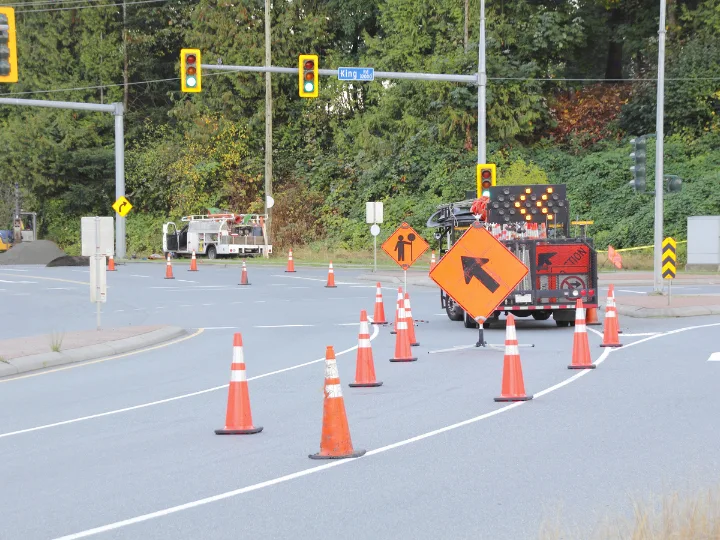
Review all proposed traffic controls against the actual road environment and planned construction activities. Depending on the project, these may include temporary signage, traffic controllers, barriers, lane closures, speed management measures and pedestrian diversions.
Check that diagrams are legible, labels are consistent and the locations of signs and control devices are clearly shown. The layout should account for road geometry, available sight distances, nearby intersections, driveways and the space required for workers and equipment.
Where a traffic guidance scheme or traffic control plan is required, confirm that the relevant documents align with the overall management plan. Inconsistent drawings or unclear instructions can make implementation difficult for site personnel.
4. Review Compliance and Supporting Documentation
Before submission, identify which road authority, council or other relevant body must review the proposed arrangements. Requirements can vary according to the road classification, work type, location and impact on road users.
Check whether the application needs supporting documents such as a traffic control plan, traffic guidance scheme, road occupancy application, work schedule or other project-specific information.
Confirm that document versions, project details, site addresses and contact information are consistent throughout the submission. Where approvals or permits are required, verify the relevant application process and lead times rather than assuming the plan alone authorises the work.
5. Assess Safety Risks and Stakeholder Impacts
A thorough review should consider how construction activities could affect workers, road users, nearby businesses, residents and emergency access. The assessment should identify foreseeable hazards and explain how proposed controls will reduce the associated risks.
Pay particular attention to pedestrian accessibility, cyclist movements, public transport routes, emergency vehicle access and the movement of large delivery vehicles. Where work occurs near schools, commercial areas or busy intersections, additional coordination may be necessary.
The plan should also identify relevant stakeholders and explain how changes, disruptions and access restrictions will be communicated. Clear responsibilities help prevent confusion when work conditions change.
6. Check Responsibilities and Implementation Arrangements
A plan needs to be workable, not simply complete on paper. Review who is responsible for installing traffic controls, coordinating deliveries, communicating changes and monitoring conditions during the work.
Confirm that the proposed arrangements match the construction schedule and available resources. If traffic control personnel or equipment are required, their deployment should align with the planned work periods and stages.
Some projects may benefit from consulting a traffic control company near me to review site-specific requirements and identify practical issues before submission. Any external review should complement the project's own compliance checks and relevant authority requirements.
7. Complete a Final Submission Check
Before sending the documents, conduct a final review using a consistent checklist. Confirm that the plan reflects the latest site information, drawings and construction programme.
Check for missing attachments, unclear diagrams, conflicting dates, outdated contact details and unresolved comments. Make sure the submission explains the proposed arrangements clearly enough for the relevant reviewer to understand how traffic will be managed.
Allow sufficient time for internal review and any required revisions. If the project scope or site conditions change before approval, update the documentation where necessary rather than relying on an outdated version.
Reviewing a traffic plan before submission helps project teams identify documentation gaps, clarify responsibilities and address foreseeable safety and access issues. By checking site layouts, vehicle routes, traffic controls, supporting documents and stakeholder impacts, teams can prepare a more consistent submission and reduce avoidable rework. A well-reviewed construction traffic management plan provides a clearer basis for coordinating construction activities while managing impacts on the surrounding road network.
Frequently Asked Questions
1. Who should review a construction traffic plan before submission?
The project manager, site supervisor and relevant safety or traffic management personnel should review the document. Depending on the project, input from engineers, contractors and affected stakeholders may also be appropriate.
2. What documents may be required with a traffic plan?
Requirements vary by location and project scope. Supporting documents may include traffic control plans, traffic guidance schemes, road occupancy applications, construction schedules and site layout drawings.
3. Why are site access arrangements important?
Clear access arrangements help manage construction vehicles, reduce conflicts with pedestrians and other road users, and support the safe movement of deliveries into and out of the work area.
4. Can a traffic plan be revised after submission?
Revisions may be requested by the reviewing authority or become necessary when project details change. The project team should follow the applicable review process and ensure the current version is used.
5. How can a traffic management provider assist with a review?
A suitable provider can help assess proposed traffic controls, vehicle movements, site access and resource requirements. The project team remains responsible for confirming that the submission meets applicable authority requirements.