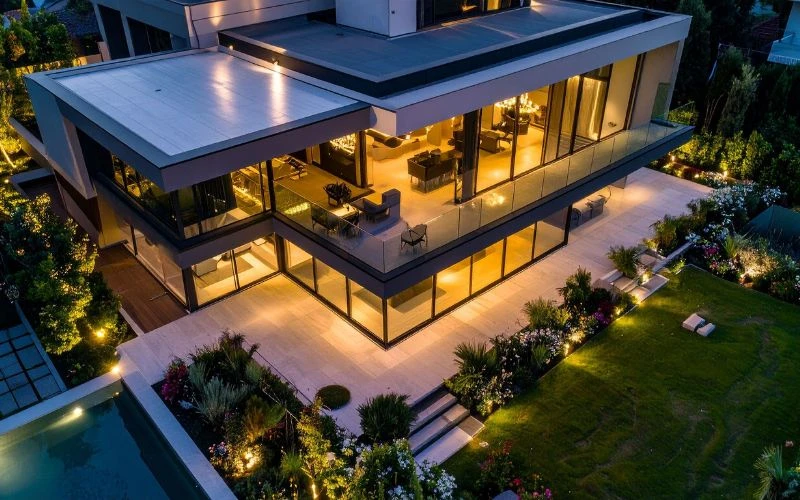
House extensions are exciting but can quickly become stressful when costs start to rise. The Housing Industry Association (HIA) reports that extending a home in Australia can range from $2,500 to $4,000 per square metre, depending on design and finish. That’s a big commitment! The main thing that most people want to know is which section of the extension costs the most. This information will help you plan better and avoid surprises.
The price of the house depends on where it is, how it is set up, and what materials are utilised. But across most projects, there is one stage that consistently takes the largest share of the budget.
What Costs the Most in a House Extension Project?
The structural work and foundation are usually the most expensive parts of an addition. This entails getting the site ready, digging, and putting in concrete slabs to handle the added weight. It costs a lot because it is the base of the whole project. If this process isn't done appropriately, it could make the home less safe and strong.
Working with reputable organisations like affordable residential builders in Burwood guarantees that this part is done correctly from the start. If you get things right here, you won't have to deal with big problems later.
Why Structural Work Takes the Biggest Share
There are a few reasons why this phase of the project costs more than the others:
- The soil might need further support.
- Multi-level extensions require further help.
- Small or cramped premises make labour harder and take longer.
- Councils and building rules add to the process
Other Costly Parts of Extensions
The foundation normally makes up the bulk of the expenses, but additional costs can mount up quickly as well:
- Roofing changes to blend old and new sections
- Plumbing and wiring, especially if moving kitchens or bathrooms
- Interior finishes like flooring, joinery, and fittings
- Council approvals and permits
In some suburbs, homeowners turn to trusted home builders in Strathfield for guidance on these cost drivers, as local knowledge often helps in planning and saving.
Pros and Cons of House Extensions
Pros
- More living space without moving
- Increases property value
- Custom design to fit family needs
Cons
- High upfront costs
- Disruption during building
- Extra expenses from hidden issues
Tips to Keep Costs Under Control
- Get a clear plan and price before starting
- Focus on structure first, then finish
- Choose durable but budget-friendly materials
- Keep a backup fund of 10–15% for surprises
Conclusion
The foundation and structural work are almost always the most expensive parts of adding on to a house. The base is the most expensive part of the expense, although roofing, finishes, and services like plumbing also add to it. Homeowners can make better decisions and have a smoother project from start to finish if they grasp this and create a fair budget.