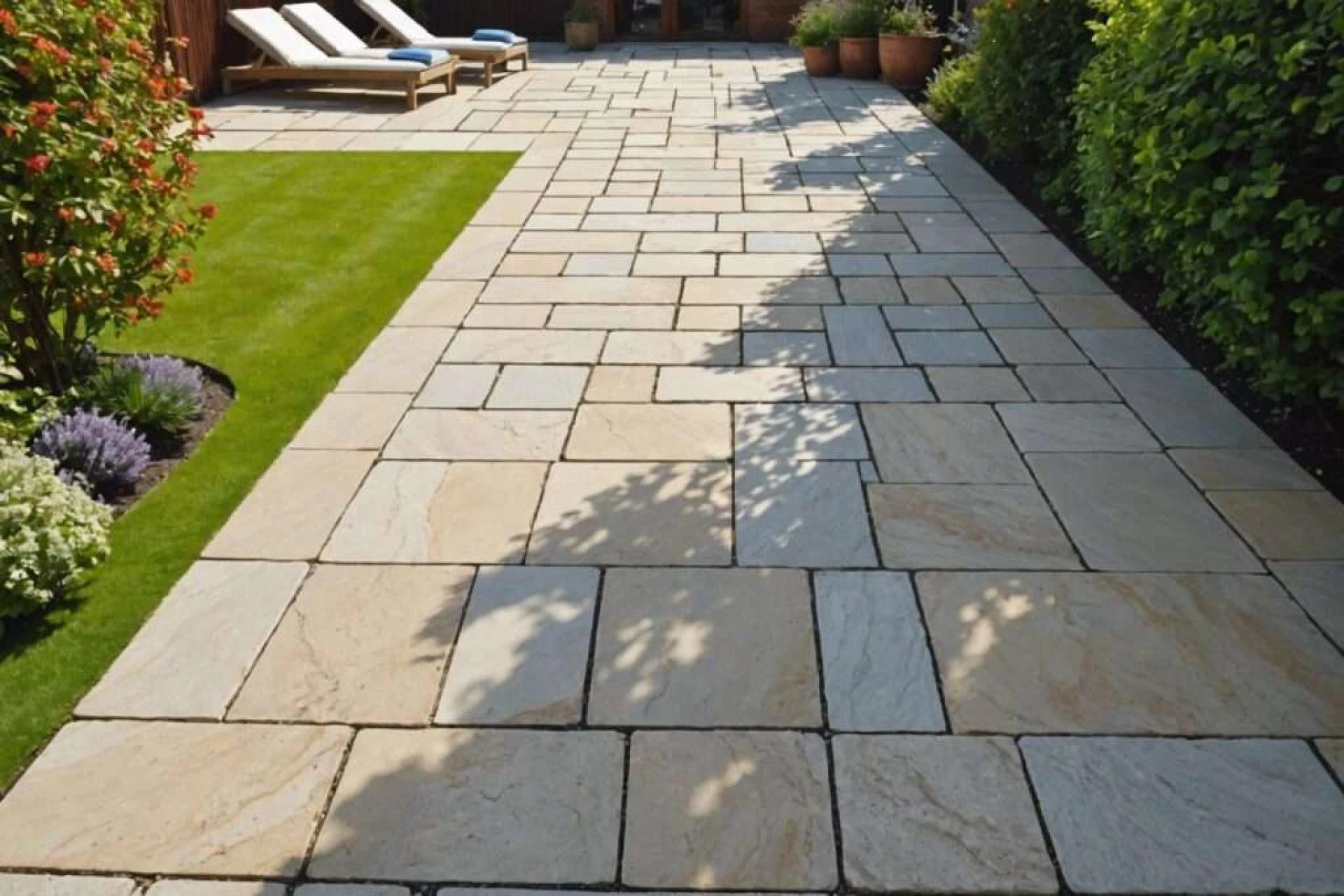
Designing a garden space is about more than just selecting plants and layout—it’s about choosing the right materials that balance aesthetics, durability, and function. Among the top contenders for hardscaping and decorative elements are sandstone and granite. Both stones have unique characteristics and charm, making them popular for pathways, patios, and outdoor accents. But how do you choose between the two? This article explores the differences, benefits, and ideal applications of each, helping homeowners and landscapers make informed decisions.
Granite and sandstone are both natural stones that have stood the test of time. Their use in architecture dates back centuries, with applications ranging from ancient temples to modern commercial spaces. When it comes to gardens, the considerations shift slightly. Outdoor conditions, foot traffic, moisture exposure, and aesthetic harmony with nature all play critical roles. For those sourcing high-quality natural stone, working with a reliable Granite Supplier in India ensures consistent quality and ethically sourced materials, which is key to achieving a beautiful and sustainable garden design.
Understanding Granite: The Durable Stone
Granite is an igneous rock known for its exceptional strength, resistance to scratching, and low porosity. These properties make it ideal for high-traffic areas in a garden where durability is paramount. Available in a variety of colors—ranging from deep blacks to soft greys and warm pinks—granite adds a sleek and modern finish to outdoor spaces.
Its low absorption rate means granite is naturally resistant to moisture, which is especially useful in regions that experience heavy rains or freezing temperatures. Garden paths, retaining walls, and even steps made of granite can withstand extreme weather without cracking or fading. For long-term installations where maintenance needs to be minimal, granite often proves to be the smarter choice.
However, the weight and density of granite can make it more challenging to install. It typically requires professional handling and a well-prepared base to avoid shifting or sinking over time. That said, its longevity often offsets the initial investment in installation.
Sandstone: Aesthetic Warmth and Natural Appeal
Sandstone is a sedimentary rock prized for its natural tones and earthy textures. Its warm hues—ranging from buff and tan to soft pinks and rust—make it a popular choice for creating a natural, welcoming ambiance in gardens. Whether used for paving, borders, or wall cladding, sandstone integrates seamlessly into landscapes designed with nature in mind.
One of the key reasons homeowners choose sandstone is its versatility. It can be cut into various sizes and shapes, making it suitable for both formal and informal garden designs. Moreover, sandstone is easier to work with due to its relatively softer composition. This makes it a favorite among artisans for creating intricate stonework or personalized garden features.
While sandstone offers visual appeal, it’s more porous than granite, which means it can absorb water and be prone to staining or weathering if not properly sealed. It’s important to clean and reseal sandstone periodically, especially in damp or shaded garden areas. When maintained well, however, it ages beautifully, developing a patina that enhances its rustic charm.
Choosing a trusted Sandstone Supplier in India ensures not only quality but also access to a variety of colors and finishes that meet both functional and aesthetic needs.
Comparing Key Attributes: Sandstone vs. Granite
When deciding between sandstone and granite, several factors should be considered. Below is a quick comparison to guide your decision:
- Durability: Granite outperforms sandstone in terms of hardness and resistance to wear, making it ideal for high-traffic zones.
- Aesthetics: Sandstone offers warmer, more natural hues that blend beautifully into green landscapes, while granite gives a more polished, modern look.
- Maintenance: Granite requires less maintenance over time due to its non-porous nature. Sandstone needs sealing and regular care.
- Workability: Sandstone is easier to shape and install, ideal for custom garden elements. Granite, while tougher, needs skilled handling.
- Cost: Generally, sandstone is more affordable, although premium varieties can be on par with granite pricing.
Which Is Better for Your Garden?
Ultimately, the better choice depends on your garden’s design goals, climate, and functional requirements. If you’re designing a contemporary space that demands durability and a clean finish, granite is a sound investment. It holds up to the elements, foot traffic, and even garden machinery with ease.
If your vision leans toward a soft, earthy garden with natural curves, rustic accents, and a timeless charm, sandstone may be more suitable. Its tones complement plant life and natural surroundings beautifully, making it perfect for cottage-style or traditional garden designs.
Homeowners who prioritize sustainability might also want to consider the sourcing of their materials. Natural stones, when ethically mined and processed, have a significantly lower environmental impact compared to synthetic alternatives. Companies like Galaxy Exports Udaipur have built their reputation on responsible sourcing, quality craftsmanship, and timely global delivery, ensuring peace of mind for customers around the world.
Conclusion: Tailoring the Stone to the Space
Both sandstone and granite have their place in garden design, and neither is inherently better than the other. The key lies in identifying the unique needs of your garden space. Consider the layout, usage patterns, environmental conditions, and desired look before making a decision. By aligning material choice with these factors, you’ll create an outdoor space that not only looks stunning but also stands the test of time.
Whether you opt for the sleek resilience of granite or the soft charm of sandstone, choosing high-quality stone from a reputable supplier is crucial. It ensures not just aesthetic value but also the durability and safety of your outdoor oasis.