Most people think a roof is a roof. If it keeps rain out and looks decent from the street, it must be doing its job. But if you've ever lived near the coast, you know things work a little differently. Coastal weather has a way of testing every part of a home. Salt in the air, constant humidity, powerful winds, driving rain, and occasional storms create conditions that can wear down roofing materials much faster than inland homeowners expect. I've seen roofs that should have lasted twenty years start showing serious issues much earlier simply because they weren't designed for the environment they were installed in.
One thing homeowners often overlook is that choosing the wrong roofing material can affect much more than durability. It can impact maintenance costs, energy efficiency, insurance premiums, and even overall property value. That's why conversations about roofing materials often end up connected to discussions about roof replacement cost Indiana. While Indiana isn't known for oceanfront living on the same scale as coastal states, homeowners near Lake Michigan and other waterfront areas still face moisture, wind, and weather conditions that require careful roofing decisions. The right material today can save thousands of dollars in future repairs and replacement expenses.
In my experience, homeowners usually focus on upfront pricing first. That's understandable. Roofing projects are significant investments. But the cheapest material isn't always the most affordable long term option. I've watched people spend less initially only to face repairs every few years because the roofing system couldn't handle local conditions. Coastal environments are demanding. They expose weaknesses quickly. Choosing materials designed for these conditions isn't about luxury. It's about protection, longevity, and peace of mind when storms start rolling in.
Why Coastal Areas Are Tough on Roofing Systems
Living close to big bodies of water brings its own sort of problems that many homeowners dont really clock until issues start popping up, and then suddenly it feels like everything is “all at once”. One of the more common culprits is salt air. Tiny salt particles ride the breeze, then they quietly settle on roofing surfaces day after day, kind of like an unwanted routine. Over time, those particles speed up corrosion, especially on the metal bits that are out in the open. Flashing, fasteners, vents, and gutters usually show the first signs , of wear and tear.
Then there’s humidity, which is its own headache. Moisture in the air stays on the higher side for much of the year. Roofing materials end up expanding and contracting constantly as temperatures shift along with that dampness. That back-and-forth motion slowly weakens seals, makes flashing areas less secure, and breaks down protective coatings.
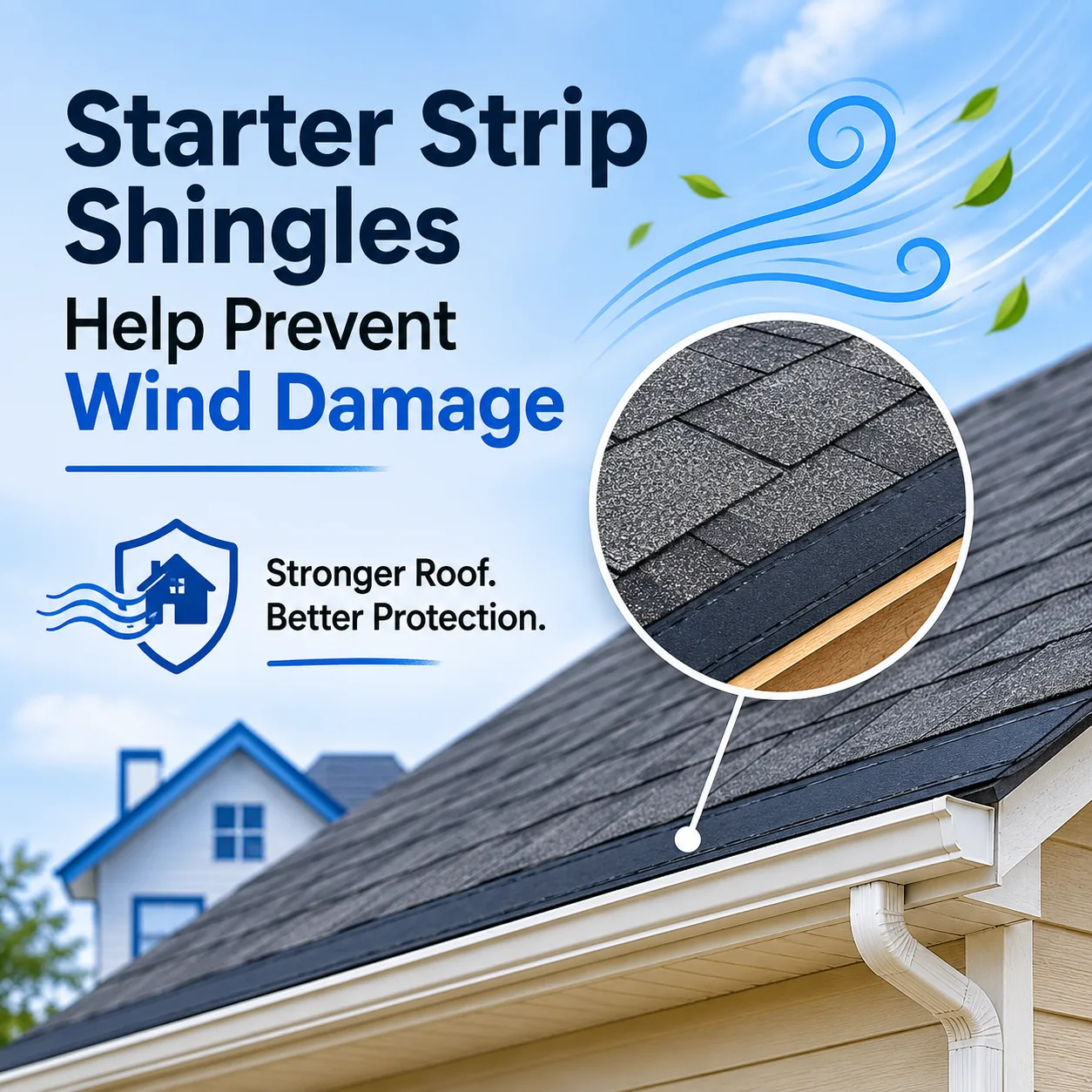
Wind is also right there in the mix. Coastal storms dont always have to be full on hurricane level to cause real damage. Steady strong winds can loosen shingles, lift or disturb underlayment, and form small gaps where water finally gets a way in, and once it does it can travel through the whole roofing system.
So yeah material selection matters a lot more than people think. A roof that works fine in inland conditions may struggle quite a bit once it’s placed under coastal exposure, year after year, without any pause.
Metal Roofing: One of the Best Long Term Choices
If I had to point to one material that seems to hold up pretty well in coastal settings, metal roofing is close to the top of the list. Like, consistently, it does well.
Nowadays, standing seam metal roofs tend to deliver strong wind resistance and they also keep going for a long time. With a quality metal system, and assuming it was put in correctly and then looked after, it can easily reach fifty years or even more.
Another thing people often like is how it handles rough weather. Metal panels lock together firmly, which helps lower the chances of wind lift. It’s kind of a big deal where strong storms show up on a regular basis.
Still, not every metal roofing product is the same. Coastal setups usually call for corrosion resistant options, like aluminum or steel with a special coating. If you use a more standard metal product, it can start to break down faster with salty air hanging around.
And yeah, the initial price can be higher. But a lot of homeowners end up feeling it pays off, because there is less upkeep and the service life is extended, so over time it feels more reasonable.
Architectural Asphalt Shingles Remain Popular
Asphalt shingles still end up being the most common roofing material across a good portion of the country , even in places where coastal weather is kind of rough. Todays architectural shingles are honestly a big step up compared to the older three tab products. With improved manufacturing techniques you get better wind ratings, and more durability too.
When people look into roof replacement cost in Indiana , they often find architectural shingles create a decent middle ground between affordability and how well they hold up. You get dependable protection, without paying the higher price that comes with some of the more premium materials.
That being said , if you live near the coast you should really pay attention to shingles that are made for high wind situations. Better fastening systems, along with impact resistant options , can boost overall performance when the weather turns severe.
In my experience, installation quality matters almost as much as the materials themselves. Even premium shingles can end up failing sooner than expected if someone takes installation shortcuts.
Clay and Concrete Tile Offer Exceptional Longevity
Tile roofing has protected coastal homes for, generations, especially where the weather can be brutal with intense sunlight and heavy storms, and well you know… that mix of salt air too. Clay tiles do a really good job resisting salt exposure. They don’t corrode rot, or really attract insects either. Many clay tile roofs keep working for fifty years, or even longer if homeowners handle routine upkeep in a reasonable way.
Concrete tiles are in the same neighborhood, offering similar perks, often with a slightly better price tag. Both options give impressive durability and strong energy efficiency. The main detail to think about is weight. Tile roofing systems need enough structural support, and not every home can take the added load without some adjustments or reinforcements.
That said, when everything is properly designed and engineered, tile roofs can deliver among the longest service lives you’ll find for coastal settings.
Synthetic Roofing Materials Continue Gaining Popularity
A category that ’s getting a lot more attention these days has to do with synthetic roofing products. Manufacturers are now making synthetic slate, shake, and composite roof materials, meant to mimic the old fashioned look while cutting down on upkeep worries. A lot of the time these choices handle moisture better, deter insects, resist cracking and even cope with salt exposure more effectively than some natural materials. Homeowners who want a more premium aesthetic without carrying the heavy weight of natural slate, or having to deal with wood like maintenance headaches, often feel drawn to the synthetic side. I’ve also seen a few synthetic roofing installations do really well in waterfront settings where traditional materials would struggle, kind of constantly.
Roofing Materials That Often Struggle Near the Coast
Not every roofing material handles coastal conditions effectively.
Wood Shakes and Shingles
Wood roofing offers undeniable beauty, but coastal environments can be challenging.
High humidity encourages moisture absorption. Over time, wood may experience warping, splitting, mold growth, or premature deterioration.
Regular maintenance helps, but many homeowners eventually find upkeep requirements frustrating and costly.
Standard Steel Components
Basic steel roofing products without proper protective coatings may experience accelerated corrosion when exposed to salty air.
That's why coastal roofing projects typically require specialized coatings, stainless steel fasteners, or aluminum alternatives.
Choosing the correct components is every bit as important as selecting the primary roofing material itself.
How Roofing Material Affects Replacement Costs
Homeowners naturally want to understand financial implications before making decisions.
Material selection plays a major role in overall project cost. Asphalt shingles generally offer the lowest upfront investment. Metal roofing requires higher initial spending but often delivers longer service life. Tile and premium synthetic products typically occupy the upper end of the pricing spectrum.
When discussing roof replacement cost Indiana, it's important to evaluate more than installation expenses. Future maintenance requirements, expected lifespan, insurance considerations, and energy efficiency all contribute to long term value.
I've seen homeowners focus exclusively on installation pricing only to spend significantly more over the next decade due to repairs and premature replacement needs.
A broader perspective often leads to smarter decisions.
Why Proper Installation Matters More Than Most Homeowners Think
Even the best roofing material can fail if installation quality is poor.
Honestly, this is one of the biggest misconceptions I encounter. People spend weeks comparing materials but devote very little attention to installation standards.
Flashing placement, fastening methods, underlayment selection, ventilation design, and drainage planning all affect long term performance.
A properly installed architectural shingle roof frequently outperforms a poorly installed premium roofing system.
That's why choosing experienced contractors matters so much, especially for homeowners considering roof replacement Merrillville Indiana or other communities affected by strong seasonal weather conditions.
Skilled installers understand local weather patterns, building codes, and material requirements that contribute to long lasting performance.
Ventilation Plays a Bigger Role Than Most People Realize
Many roofing failures begin inside the attic rather than on the roof surface.
Poor ventilation traps heat and moisture, creating conditions that accelerate material deterioration. Excess attic humidity can damage decking, shorten shingle lifespan, and contribute to mold development.
Coastal environments already introduce elevated moisture levels. Without proper airflow, roofing systems face even greater stress.
Professional roofing evaluations should always include ventilation assessments. Correcting airflow deficiencies often improves roof performance and extends service life significantly.
Signs Your Coastal Roof May Need Replacement Soon
Several warning signs deserve immediate attention.
Frequent leaks after storms often indicate underlying system deterioration. Missing shingles, curling edges, rusted flashing, sagging areas, and visible mold growth also suggest problems requiring professional evaluation.
Granule loss on asphalt shingles is another common indicator of aging.
I've found that homeowners who address these warning signs early typically avoid larger structural repairs later.
Waiting rarely makes roofing problems cheaper.
Frequently Asked Questions
What roofing material lasts longest in coastal areas?
Metal, clay tile, and concrete tile generally provide the longest lifespan when properly installed.
Is metal roofing safe near saltwater?
Yes. Aluminum and specially coated metal roofing products perform very well in coastal environments.
Are asphalt shingles good for coastal homes?
Architectural shingles designed for high wind resistance can perform effectively in many coastal regions.
Why does salt air damage roofs?
Salt accelerates corrosion and gradually weakens exposed metal components.
How often should coastal roofs be inspected?
Most experts recommend professional inspections at least once per year and after major storms.
Does roof color matter near the coast?
Lighter colors often improve energy efficiency by reflecting sunlight and reducing heat absorption.
Is tile roofing worth the investment?
For many coastal homeowners, tile offers exceptional durability and long term value.
What affects roof replacement cost Indiana most?
Material choice, roof size, complexity, labor, and structural conditions all influence overall cost.
How long does a metal roof typically last?
Quality metal roofing systems often last forty to seventy years depending on materials and maintenance.
Can poor ventilation shorten roof life?
Absolutely. Excess heat and moisture accelerate deterioration significantly.
Resources
For additional roofing guidance, homeowners may find these resources helpful:
- National Roofing Contractors Association (NRCA)
- Federal Emergency Management Agency (FEMA)
- U.S. Department of Energy Roofing Efficiency Resources
- Local building department roofing code requirements
- Manufacturer installation guides for selected roofing systems
Conclusion
Choosing the best roofing material for a coastal environment isn't simply about appearance or upfront cost. It's about finding a system capable of standing up to moisture, salt exposure, wind, and severe weather year after year. In my experience, homeowners who focus on durability and long term performance almost always feel better about their investment later.
Whether you're comparing metal roofing, architectural shingles, tile, or synthetic products, the goal remains the same: protect your home while minimizing future maintenance headaches. If you're currently evaluating roof replacement cost Indiana or planning a roof replacement Merrillville Indiana project, take time to discuss material options with experienced local professionals who understand your area's unique weather challenges.