
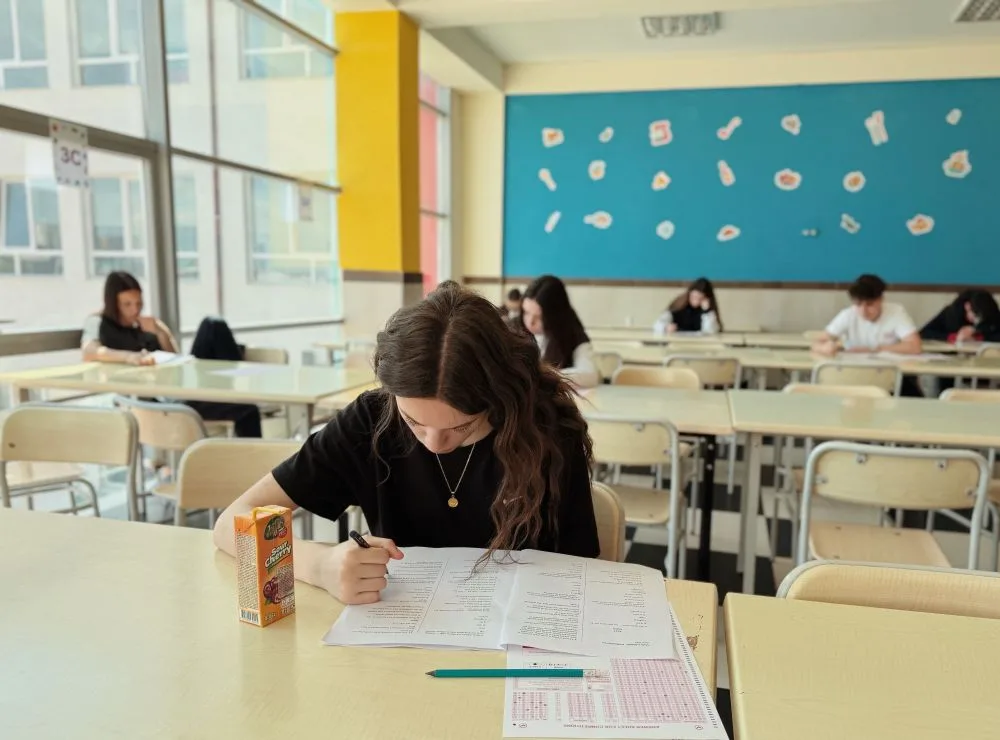
Choosing the right school is one of the most significant decisions parents make for their children. A quality education can shape a student's academic success, personal development, and future opportunities. With many private schools available throughout Colorado, families often compare programs, school cultures, and educational philosophies to find the best fit.
The process can feel overwhelming, especially when every school highlights unique strengths and advantages. Understanding the key factors that contribute to a strong educational experience can help parents make a confident and informed choice that supports their child's long-term growth.
Academic Excellence Should Be a Priority
When evaluating private schools, academics are typically one of the first considerations. Parents should look beyond test scores and examine the overall quality of the curriculum. A strong school provides challenging coursework that promotes critical thinking, analytical skills, and intellectual curiosity.
The most effective learning environments encourage students to explore ideas, ask questions, and actively participate in discussions. Schools that offer advanced coursework, hands-on learning experiences, and interdisciplinary programs often provide students with a deeper and more engaging educational experience.
It is also important to consider how schools support different learning styles. Every student learns differently, and schools that provide personalized instruction can help maximize academic achievement and confidence.
The Importance of Class Size and Individual Attention
One reason many families choose private education is the opportunity for smaller class sizes. A lower student-to-teacher ratio often allows educators to develop stronger relationships with students and provide more individualized support.
Teachers who know their students well can identify strengths, address challenges early, and tailor instruction to meet specific needs. This level of attention can make a significant difference during the middle school years, when students are developing greater independence and facing increasingly complex academic expectations.
Parents should ask about average class sizes and how teachers monitor student progress. Understanding the level of support available can provide valuable insight into the overall learning environment.
School Culture and Community Matter
Academic achievement is important, but a school's culture can have an equally significant impact on a student's experience. A positive environment helps students feel safe, respected, and motivated to learn.
Families researching the best middle school in Colorado should pay close attention to how schools foster community and encourage meaningful relationships. Strong school cultures often emphasize inclusivity, respect, accountability, and collaboration among students and staff.
Visiting the campus, attending open houses, and speaking with current families can provide valuable insight into the daily student experience. Observing how students interact with teachers and classmates often reveals more about a school's culture than promotional materials alone.
A supportive community can help students build confidence, develop strong social skills, and feel a greater sense of belonging throughout their educational journey.
Consider Opportunities Beyond the Classroom
An outstanding education extends beyond academics. Extracurricular activities play an important role in helping students develop leadership abilities, creativity, teamwork, and self-confidence.
Parents should evaluate the variety and quality of programs offered outside the classroom. Athletics, performing arts, visual arts, robotics, academic clubs, student leadership organizations, and community service opportunities can enrich the educational experience and help students discover new interests.
Participation in extracurricular activities also teaches valuable life skills such as time management, communication, and perseverance. These experiences often contribute to a student's overall development and can have a lasting impact on future success.
Schools that invest in a broad range of extracurricular opportunities demonstrate a commitment to educating the whole child rather than focusing solely on academic performance.
Long-Term Preparation for Future Success
The best private schools understand that their role extends beyond preparing students for the next grade level. They focus on equipping students with the skills needed for success in high school, college, and future careers.
Parents should look for schools that emphasize leadership, critical thinking, collaboration, and problem-solving. These abilities are increasingly important in today's rapidly changing world.
College preparation initiatives, mentorship opportunities, project-based learning, and technology integration can further strengthen a student's readiness for future challenges. Schools that encourage independence and responsibility help students develop habits that serve them well throughout their lives.
Examining graduate outcomes and high school placement success can also provide helpful insight into how effectively a school prepares students for future achievements.
Conclusion
Choosing a private school is about much more than comparing rankings or facilities. Families should consider the quality of academics, level of individual attention, school culture, extracurricular opportunities, and long-term student preparation. By carefully evaluating these factors, parents can find an educational environment that aligns with their values and supports their child's academic, social, and personal development for years to come.