Creating a safe and organized learning environment is one of the top priorities for educational institutions. With increasing concerns about unauthorized access, visitor management, and campus security, schools are seeking effective ways to protect students, staff, and visitors. Traditional methods such as manual sign-in sheets and unlocked entry points are often insufficient for modern security needs. Access control technology provides a more reliable and efficient approach to managing who enters school facilities and when.
By implementing secure entry solutions, schools can reduce security risks, improve operational efficiency, and create a welcoming environment that balances safety with accessibility.
Enhancing Campus Security
One of the most significant benefits of access control technology is its ability to strengthen campus security. Schools experience daily traffic from students, staff members, parents, delivery personnel, contractors, and guests. Without proper controls, it can be difficult to verify who should have access to specific areas.
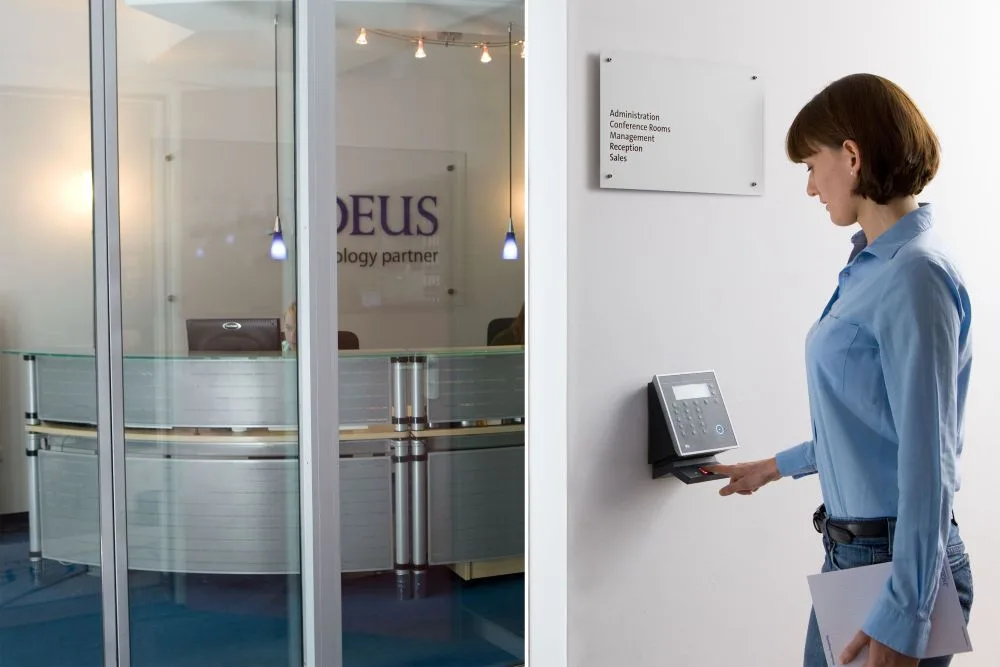
Modern systems allow administrators to assign credentials such as key cards, mobile credentials, PIN codes, or biometric authentication to authorized individuals. This helps ensure that only approved users can enter designated buildings or rooms.
In the event of a lost credential, administrators can quickly deactivate access rights without the need to replace physical locks. This capability reduces potential security vulnerabilities and helps schools maintain tighter control over entry points.
Improving Visitor Management
Managing visitors effectively is an important aspect of school safety. Schools must balance the need to welcome parents and community members while protecting students from unauthorized access.
Implementing school access control systems can streamline visitor management by requiring guests to check in through monitored entry points before accessing campus facilities. These systems can verify visitor identities, issue temporary credentials, and maintain digital records of all entries and exits.
Having an electronic record of visitor activity can be valuable during security investigations, emergency situations, or compliance reporting. Administrators gain better visibility into who is on campus at any given time, helping improve overall accountability.
Reducing Administrative Burden
Traditional security processes often require significant staff involvement. Front office personnel may need to continuously monitor entrances, verify visitor identities, and manage physical keys.
Access control solutions automate many of these responsibilities. Scheduled access permissions can be assigned based on user roles, allowing teachers, administrators, maintenance personnel, and support staff to enter only the areas necessary for their responsibilities.
Automation reduces the workload on administrative teams and allows staff members to focus on educational and operational priorities rather than managing access issues throughout the day. The result is increased efficiency and improved resource allocation across the school.
Supporting Emergency Response Efforts
Emergency preparedness is a critical consideration for every educational institution. During situations such as lockdowns, severe weather events, or other security incidents, rapid control of building access can help protect occupants.
Modern access control platforms often include centralized management capabilities that allow administrators to lock or unlock doors remotely. This level of responsiveness can help school personnel react more effectively during emergencies and limit access to sensitive areas when necessary.
In addition, security personnel and first responders can receive accurate information about building occupancy and access activity. This data can assist with decision-making during critical situations and contribute to faster, more coordinated responses.
Creating a Better Experience for Students and Staff
While security is the primary objective, access control technology can also improve convenience for students, teachers, and staff members. Instead of carrying multiple keys or dealing with manual entry procedures, authorized users can access appropriate areas quickly and efficiently.
Students can move through designated entrances during arrival and dismissal periods with fewer delays. Teachers can gain access to classrooms, offices, and resource areas without waiting for assistance. Administrative teams can manage permissions through a centralized system rather than manually distributing and tracking physical keys.
The ability to customize access levels also supports flexibility as school needs change. New staff members can be added to the system easily, while access rights can be updated when roles or responsibilities change.
Conclusion
Effective entry management plays a crucial role in maintaining a secure educational environment. By limiting unauthorized access, streamlining visitor management, reducing administrative workload, supporting emergency preparedness, and improving daily operations, access control technology helps schools address modern security challenges with greater confidence.
As educational facilities continue to prioritize safety, investing in advanced entry management solutions can provide long-term benefits for students, staff, parents, and the broader school community. Properly implemented security measures help create a learning environment where everyone can focus on education while feeling protected and supported.