Choosing aviation as a career is exciting, especially for students who dream of becoming professional pilots. However, moving from regular school or college education into aviation studies can feel like a big change. Students are introduced to technical subjects, aviation terminology and concepts that may be completely new to them.
For many beginners, the challenge is not a lack of interest but understanding how to approach this specialised field of education. From managing multiple subjects to developing consistent study habits, there are several things students need to adjust to when starting their aviation journey.
Understanding these challenges early can make the learning process more comfortable and help aspiring pilots build a stronger academic foundation.
1. Adjusting to Technical Aviation Subjects
One of the first challenges students face is getting familiar with technical aviation subjects. Unlike many school subjects, aviation education introduces concepts related to aircraft systems, air navigation, meteorology and aviation regulations.
For example, understanding navigation involves learning about directions, charts, calculations and flight planning concepts. Similarly, meteorology requires students to understand weather patterns and how different atmospheric conditions can affect flight operations.
These subjects may seem difficult at first, particularly for students who have never studied aviation before. The best way to approach them is to learn the basic concepts first and gradually move towards more advanced topics.
2. Understanding Aviation Terminology
Aviation has its own technical language. Students entering pilot training often encounter unfamiliar abbreviations, expressions and terminology used in aviation communication and operations.
Learning these terms takes time. Simply memorising definitions may help temporarily, but understanding their meaning and practical application is much more useful.
Students should make a habit of maintaining notes, revising new terminology and connecting technical terms with real aviation situations. This makes unfamiliar concepts easier to remember and understand.
3. Managing Multiple Subjects Together
Preparing for pilot examinations involves studying different subjects, each with its own concepts and learning requirements. Depending on the licence and examination pathway, students may need to study Air Navigation, Air Regulations, Aviation Meteorology, Technical General and Technical Specific, along with Radio Telephony requirements.
Managing all these subjects together can become challenging, especially for students who are new to aviation education.
A practical solution is to create a realistic study timetable. Instead of trying to cover everything in one sitting, students can divide their preparation into smaller sessions. Regular revision and practice can also help them identify areas that need more attention.
4. Moving Beyond Memorisation to Conceptual Understanding
Many students are familiar with preparing for examinations through memorisation. However, aviation education requires a deeper understanding of the subjects.
For instance, learning about weather conditions is not just about remembering definitions. Students should understand how weather information relates to flight planning and aviation operations.
Similarly, navigation concepts become easier when students understand the reasoning behind calculations rather than simply learning formulas.
This is why conceptual learning plays such an important role in pilot education. Students who understand the fundamentals are better prepared to apply their knowledge in different situations.
5. Building Confidence in a New Learning Environment
Starting aviation education can feel overwhelming. Students may hesitate to ask questions because they assume others already understand the subject. Some may also feel less confident when discussing technical topics or participating in classroom activities.
However, asking questions is an important part of learning. Clearing doubts at the right time prevents small misunderstandings from becoming bigger problems later.
A supportive learning environment, where students can interact with instructors and discuss difficult concepts, can make a meaningful difference. Confidence develops gradually as students become more familiar with the subjects and their learning progress.
6. Maintaining Consistency and Discipline
Aviation education requires regular effort. Studying only when examinations are approaching can make preparation more stressful and leave students with limited time to understand difficult topics.
Consistency is particularly important when studying technical subjects because many concepts build on previously learned information.
Students can develop better routines by setting daily learning goals, revising completed topics and practising questions regularly. Taking short breaks and maintaining a balanced routine can also help them stay focused.
7. Finding the Right Academic Guidance
Another common challenge is knowing where to begin and which learning resources to follow. Students may find information through books, online videos, study notes and different educational platforms. However, using too many resources without a clear learning plan can sometimes create confusion.
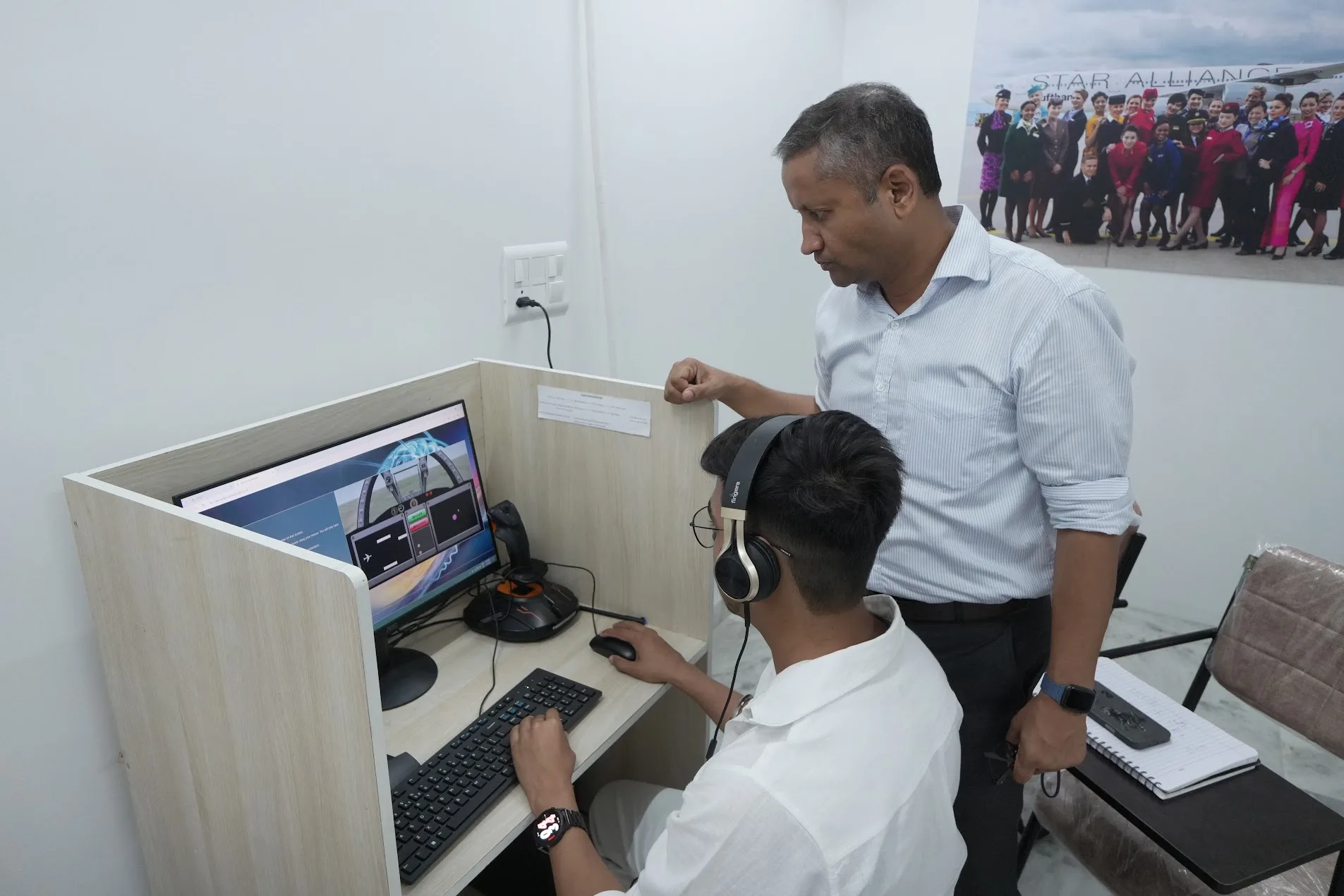
This is where structured guidance becomes valuable. Enrolling in suitable DGCA Classes can help students follow an organised learning approach, understand technical concepts and receive guidance when they face difficulties.
At SkyWize Aviation, the focus is on DGCA-oriented ground training, conceptual understanding and personalised attention. Experienced aviation professionals guide students through subjects related to pilot examinations while encouraging them to develop a practical understanding of aviation.
Small batches and interactive learning also provide opportunities for students to discuss their doubts and improve their understanding. Aspiring pilots can explore the SkyWize Aviation training programmes to learn more about the available learning pathways.
Building a Strong Foundation for an Aviation Career
Every student experiences a learning curve when entering a new field, and aviation is no different. Technical subjects, unfamiliar terminology, examination preparation and the need for consistent study can seem challenging in the beginning.
The key is to approach learning patiently, focus on understanding concepts and seek guidance whenever necessary. With a structured study routine and the right academic support, students can gradually become more comfortable with aviation subjects.
A career in aviation involves much more than passing examinations. Developing knowledge, discipline and a willingness to keep learning are equally important. Starting with a strong educational foundation can help aspiring pilots move forward with greater clarity and confidence as they work towards their professional goals.