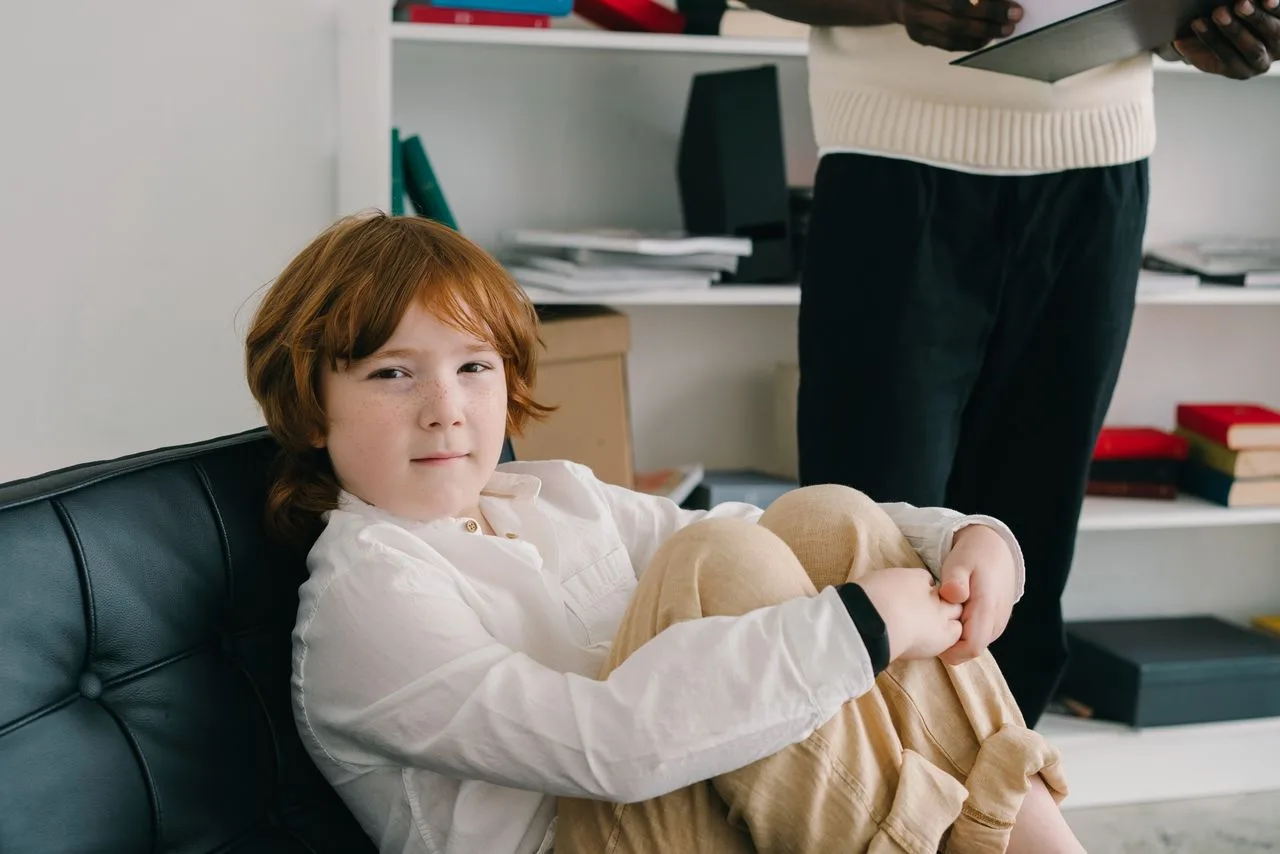
Every child is different. Some children can sit and focus for a long time, while others find it hard to stay still or finish a task. They may forget things, get distracted, or have trouble following directions. These things can be part of growing up. But when they happen often, parents may wonder if their child has ADHD.
ADHD stands for attention-deficit/hyperactivity disorder. It can affect how a child pays attention, controls actions, and manages energy. Learning about ADHD can help parents understand their child and find the right support.
What Is ADHD?
ADHD is a condition that can make some daily tasks harder for children. A child with ADHD may find it hard to listen, follow steps, or stay focused on schoolwork. They may also move around a lot, talk often, or act before thinking.
Not every child who does these things has ADHD. Children can become restless when they are tired, worried, or bored. The key is to look at how often these behaviours happen and whether they make life harder at home, at school, or with friends.
Parents should not blame themselves or their children for these struggles. Every child needs care, patience, and support to learn and grow.
Common Signs of ADHD in Children
Parents may notice signs of ADHD during daily activities. A child may have trouble getting ready for school, finishing homework, or listening to simple instructions.
Some common signs include:
- Finding it hard to focus on a task.
- Forgetting things needed for school.
- Getting distracted very easily.
- Moving around when they need to sit.
- Talking a lot or interrupting others.
- Finding it hard to wait for their turn.
- Starting tasks but not finishing them.
These signs do not always mean a child has ADHD. Some children may show one or two of these behaviours without having the condition. A trained professional can look at the full picture and help parents understand what may be happening.
When Should Parents Seek Help?
All children have difficult days. They may forget their homework, lose focus, or struggle to follow rules. However, parents may want to seek help when these problems happen often and affect daily life.
For example, a child may have trouble keeping up with schoolwork or making friends. They may need many reminders to finish simple tasks. Teachers may also report that the child finds it hard to stay focused in class.
When these concerns continue at home and school, an assessment may help. Parents searching for ADHD testing in Houston can look for qualified professionals who assess children's attention, behaviour, and learning needs. Families exploring psychologist in houston tx may also benefit from consulting a qualified professional who can help them understand their child's behaviour and identify appropriate support options.
Getting an assessment does not mean something is wrong with your child as a person. It is a way to learn more about their needs and find helpful ways to support them.
What Happens During an ADHD Assessment?
Parents may feel unsure about an ADHD assessment, especially if it is their child's first visit. Knowing what to expect can make the process easier.
Talking About Your Child
A professional may ask about your child's behaviour, health, growth, and daily life. Parents can share examples of the problems they have noticed and explain when they began.
Learning From Teachers
Teachers may see things that parents do not notice at home. Their feedback can help show how a child behaves in class, follows lessons, and gets along with other children.
Looking at Different Signs
The professional may use questions, forms, and other assessment tools. They will also consider other reasons for the child's struggles, such as sleep problems, worry, or learning difficulties.
Talking About the Results
Once the information has been reviewed, the professional can explain the findings. Parents can ask questions and learn about possible next steps. The goal is to help the family understand the child's needs.
How Can Parents Prepare Their Child?
A little preparation can help a child feel calm before an assessment. Explain the visit in simple words. Tell your child that the professional wants to learn how to help.
Here are a few ways parents can prepare:
- Write down the behaviours that concern you.
- Ask the teacher what they have noticed.
- Bring school reports if they may be useful.
- Note any changes in sleep or daily habits.
- Give your child time to ask questions.
Let your child know they are not in trouble. They do not need to give perfect answers or behave in a certain way. Being honest about their feelings and struggles is enough.
Parents looking into adhd testing houston can also ask the provider how long the process may take, what details they should bring, and when they can expect to discuss the results.
What Happens After the Assessment?
The next steps depend on what the assessment shows. If a child has ADHD, the professional may discuss ways to help at home and school. These may include parent guidance, changes to daily routines, school support, or medical care when suitable.
If the child does not have ADHD, the assessment may still help explain their struggles. The professional may suggest looking at other needs or finding different ways to help.
Helping Your Child Feel Supported
Children need to know that they are loved and accepted, even when some tasks are hard for them. Listening to their worries and noticing their efforts can help them feel more confident. With patience and the right support, children can learn new skills and work through daily challenges.
If you have concerns about your child's attention or behaviour, seeking guidance can be a helpful first step. Sugar Land Psychological Associates provides psychological services that can help families explore their concerns and learn about possible support options. Understanding your child's needs can help you make informed choices and give them the support they need to grow.