Everyone has an opinion about teeth whitening. A coworker swears by charcoal toothpaste. A cousin tried strips and gave up after a week of sensitivity. Somewhere on social media, someone is always selling a gel pen that promises results in three days. With that much noise, it is worth stepping back and asking what actually works, and what is just marketing dressed up as advice.
Why teeth stain in the first place
Before chasing a fix, it helps to understand the problem. Teeth stain for two very different reasons, and knowing which one applies to you changes what will actually help.
Surface staining, called extrinsic staining, comes from coffee, tea, red wine, and certain foods that leave pigment on the enamel over time. This is the most common type, and also the most responsive to whitening treatment.
Then there is staining that comes from inside the tooth itself. This can result from certain medications taken during childhood, high fluoride exposure at a young age, an old injury, or simply the natural yellowing that happens with age as enamel thins. This type is harder to shift with whitening alone and sometimes calls for a different approach entirely, such as bonding or veneers.
Why drugstore products underdeliver
Charcoal toothpaste, whitening pens, and strips are not scams exactly, they are just working with weaker formulas than what a dentist can offer. Over-the-counter products are regulated to stay below a certain bleaching strength, which limits how much they can actually lighten your enamel. That is why results from home products tend to be modest and slow, if they show up at all.
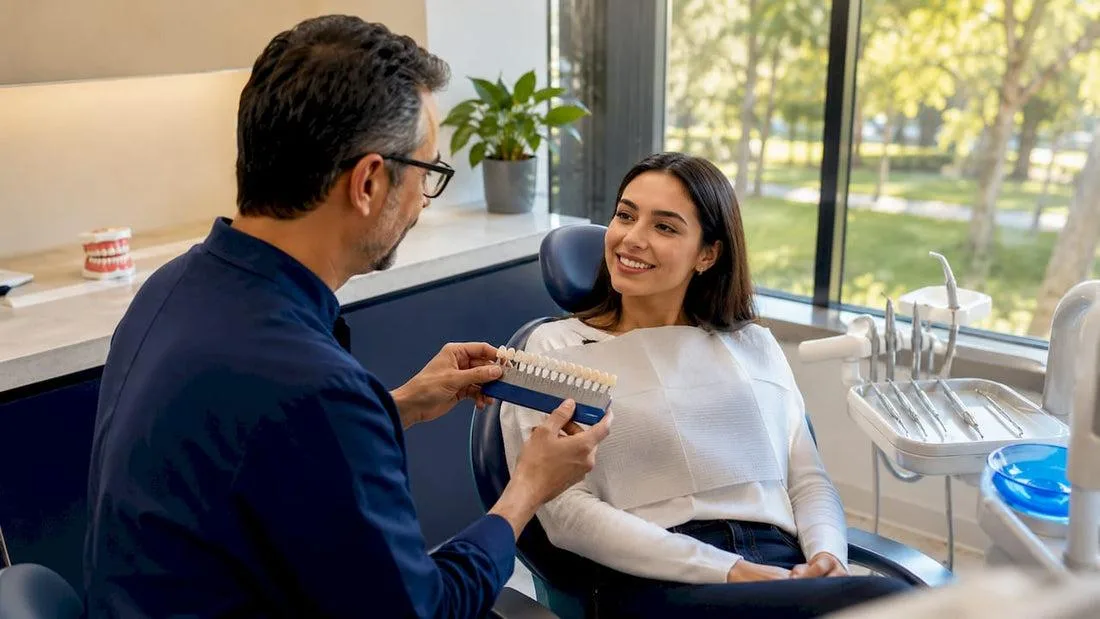
Professional treatment uses a stronger, clinically tested bleaching agent, applied under supervision so the process stays both effective and controlled. That distinction, strength combined with oversight, is really the whole story behind why the results differ so much.
The sensitivity question
This is probably the biggest hesitation people have, and it is a fair one. Temporary sensitivity is common after any whitening treatment, home or professional. The good news is that a dentist can adjust the concentration of the gel and the length of treatment to work around a patient's sensitivity level, something a one-size-fits-all drugstore kit cannot do.
If you have struggled with sensitive teeth in the past, that does not rule whitening out. It just means the plan should be built around your specific mouth rather than a generic timeline.
Setting realistic expectations
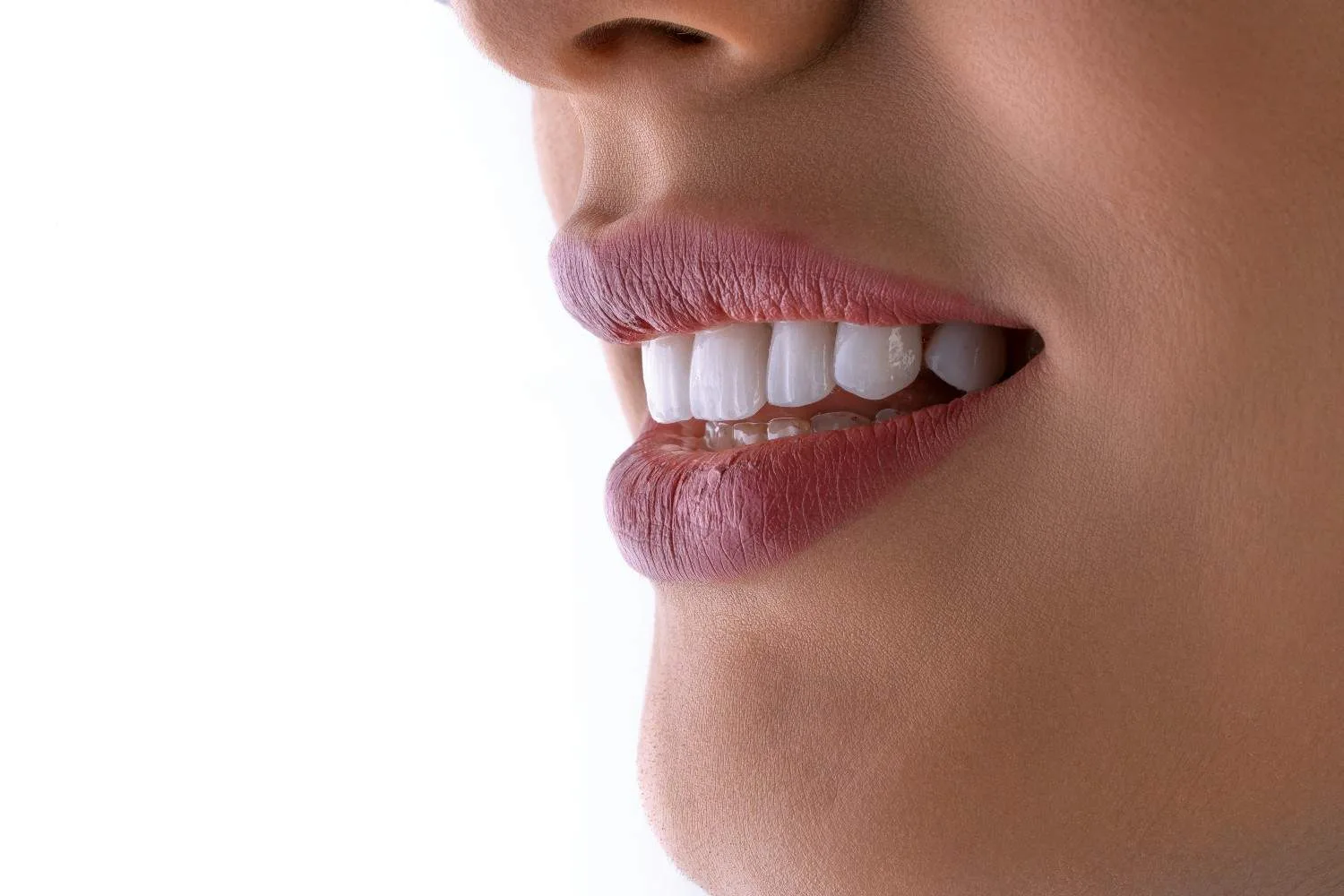
Whitening brightens natural enamel. It does not change the shade of crowns, veneers, or fillings, which is a detail that surprises a lot of first-time patients. If you have visible dental work in the front of your mouth, that is worth discussing before you start treatment, since whitening alone may leave a mismatch between your natural teeth and existing restorations.
Results typically hold for twelve to twenty-four months, depending on diet and habits afterward. Coffee, tea, and red wine will gradually bring some staining back, though a solid oral hygiene routine slows that process considerably.
A quick pre-treatment checklist
Cavities and gum inflammation should be addressed before whitening begins, since untreated issues can make the process uncomfortable or less effective. A cleaning beforehand also helps, since plaque buildup can block the whitening gel from reaching the enamel evenly.
If you are pregnant or breastfeeding, most dentists will recommend holding off until later, simply as a precaution rather than because of any confirmed risk.
Where to go from here
If drugstore products have left you underwhelmed, a consultation for teeth whitening in Millwoods is a reasonable next step. A proper assessment will tell you which type of staining you are dealing with and what result is realistic for your specific teeth, rather than guessing based on what worked for someone else.
Whitening is often just the starting point too. Many patients booking with a dentist in Millwoods Edmonton end up asking about bonding or veneers once they see how a brighter shade changes the rest of their smile.
Frequently asked questions
How many shades whiter can I expect?
In-office treatment can lighten teeth by six to ten shades in a single session, though results depend on your starting shade and the type of staining involved.
Does whitening damage enamel?
When performed or supervised by a dentist, whitening is considered safe for enamel. Problems tend to arise from overuse of unregulated home products rather than professional treatment.
Is whitening covered by dental insurance?
Generally no, since it is considered a cosmetic procedure. A clinic should still give you a clear cost estimate before starting so there are no surprises.
Can I whiten my teeth if I have fillings in the front of my mouth?
Yes, but be aware that the filling itself will not change colour, only the surrounding natural enamel will lighten. This is worth discussing at your consultation.
How long should I wait to eat or drink after treatment?
Avoid staining foods and drinks like coffee, tea, and red wine for at least 48 hours after treatment, since your enamel is more porous and receptive to new staining during that window.
Will whitening work if I am a smoker?
It can, though results may not last as long and staining tends to return faster. Reducing tobacco use will help maintain results between treatments.
Are take-home kits from a dentist different from drugstore kits? Yes. Dentist-provided take-home kits use custom trays and stronger formulas than anything sold over the counter, giving a closer result to in-office treatment over a slightly longer timeline.
The takeaway here is not that drugstore products are useless, just that they come with limits most people do not realize until they have tried them. A short consultation can save you months of trial and error with products that were never going to get you the result you actually wanted.