Getting new wheels can really change how your truck, SUV, or car looks and drives. But picking the right set is about more than just style. Size, fit, construction, load rating, and tire compatibility all affect how your vehicle performs. If you make the wrong choice, you might end up with rubbing, vibrations, a rough ride, or extra costs. Before you buy aftermarket wheels, check out these common mistakes and how to avoid them.
Choosing Wheels Based Only on Appearance
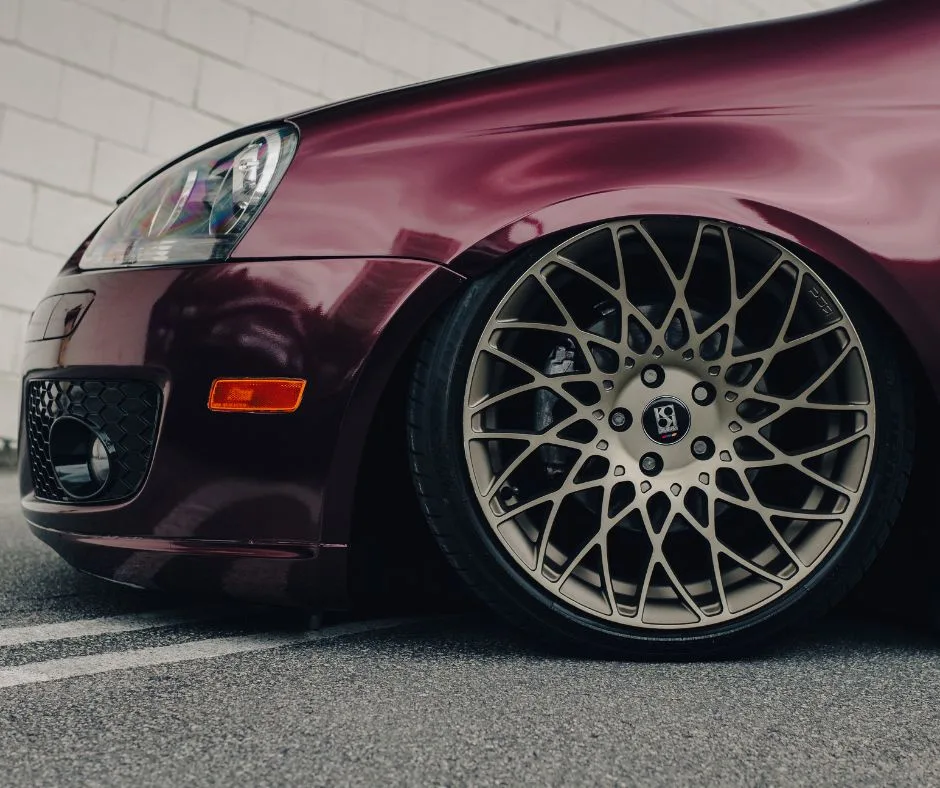
A wheel may look impressive in pictures, but appearance isn't everything. Bold designs, shiny finishes, big sizes, and wide shapes can change how your vehicle drives and might not work for every situation. For instance, a wheel that’s perfect for off-roading might not be right for a daily driver or a truck used for towing.
Try to balance how the wheels look with how they fit, how durable they are, and how they’ll work for your daily needs. Before you buy, think about how the wheels will work with your suspension, tires, brakes, and how you plan to use your vehicle. Brands like KMC Wheels have styles for trucks and off-road use, but even if a wheel looks right, it still has to fit your vehicle’s specs.
Ignoring Wheel Fitment
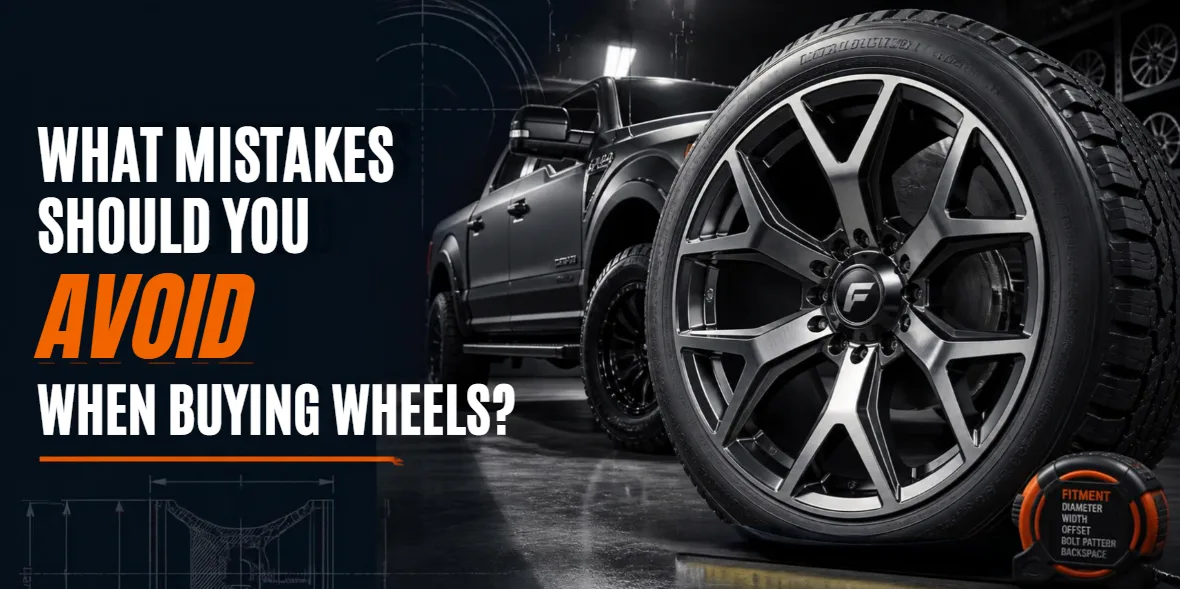
One of the biggest mistakes is not checking if the wheels actually fit your vehicle. Wheels aren’t universal, and even ones with similar sizes might not fit. You need to make sure the bolt pattern, center bore, diameter, width, offset, and backspacing all match your vehicle.
The bolt pattern has to match your vehicle’s hub, and the center bore needs to fit as well. The wheel’s diameter and width affect how it works with your tires and other parts. Offset and backspacing decide where the wheel sits in the wheel well. If any of these are wrong, you could have clearance issues, vibrations, or trouble installing the wheels.
Always look up your vehicle’s exact specs before you order. If you’re not sure about a measurement, ask the wheel maker or a trusted wheel and tire shop instead of just going by looks.
Buying the Wrong Wheel Size
Bigger wheels can give your vehicle a tougher look, but bigger isn’t always better. When you go up in wheel size, you usually need a tire with a shorter sidewall to keep the overall size the same. This can affect ride comfort, handling, and how well it deals with bumps and potholes.
Larger wheels can also be heavier, depending on how they’re made. Extra weight that isn’t supported by the suspension can change how your car accelerates, brakes, and rides. You should also consider clearance, especially if you’re changing both wheel width and tire size.
Rather than just picking the biggest wheel that looks good, think about the whole wheel and tire setup. Make sure the tire size, sidewall height, load rating, and overall diameter all fit your vehicle and how you plan to use it.
Overlooking Offset and Backspacing
Offset describes how the wheel's mounting surface sits relative to its centerline. A positive offset places the mounting surface closer to the wheel's outer face, while a negative offset moves it toward the inside. Backspacing measures the distance from the wheel's mounting surface to its inner edge.
These measurements decide how close the wheel sits to the suspension or the fender. If you get them wrong, the tire or wheel might rub against suspension parts or the fender. If the wheel sticks out too far, you could have clearance or coverage problems.
Before ordering, confirm the recommended offset and backspacing for your vehicle, wheel width, and tire combination. This is particularly important when installing wider wheels or changing the suspension.
Choosing a Wheel Without Checking Its Load Rating
Load rating matters, especially if you have a truck or SUV that tows or hauls. The wheel needs to handle the weight your vehicle is rated for. Just because a wheel looks tough doesn’t mean it’s made for heavy-duty use. If you go only by looks, you might miss an important detail that determines whether the wheel is right for your vehicle.
Check the manufacturer's published load rating and compare it with your vehicle's axle and load requirements. Remember that installing wheels with a higher load rating does not increase the vehicle's factory GVWR, GAWR, or towing capacity. The wheel needs to be appropriately rated for the application.
Focusing on Price Instead of Construction Quality
Price is naturally part of the buying decision, but the cheapest wheel is not always the best value. Wheel construction methods can affect weight, strength, durability, and cost.
Cast wheels are produced by pouring molten metal into a mold and are commonly available at a relatively accessible price. Flow-formed wheels use a manufacturing process that can create a lighter structure while retaining strength characteristics suitable for many applications. Forged wheels are manufactured from a solid piece of material under significant pressure and are generally associated with high strength and premium pricing.
The best type of wheel depends on your vehicle and how you’ll use it. When looking at brands like Motiv Wheels, don’t just focus on price. Think about how the wheel is made, its specs, what it’s meant for, and the warranty. Spending more doesn’t always mean it’s the best choice, and the cheapest option might not last as long.
Forgetting About Brake and Suspension Clearance
Knowing the wheel’s diameter isn’t enough to know whether it will clear your brakes and suspension. Two wheels with the same diameter can have different spoke designs, widths, offsets, and shapes inside, all of which affect clearance.
Brake calipers are important because bigger or upgraded ones might need more space behind the wheel. Suspension parts can also get in the way if you use wider wheels or certain offsets.
If your vehicle has aftermarket brakes, suspension, or other changes, double-check the clearance before you buy. Make sure the wheel’s design—not just its size—gives enough space for the brakes and suspension.
Buying Wheels Without Considering the Tires
Think of wheels and tires as a set. If you pick a wheel first and then try to find a tire that fits, you might run into fitment problems you could have avoided. When picking wheels, think about tire width, sidewall height, load rating, and overall size. Wider wheels usually need wider tires, and bigger wheels often need shorter sidewalls. The combination you choose can change how your car handles, how comfortable the ride is, how much clearance you have, and even your speedometer reading if the tire size changes a lot.
For trucks and SUVs, make sure the tires can handle the weight of your vehicle and what you plan to carry. The wheels also need the right load rating. Checking both together can save you from costly problems later.
Skipping the Manufacturer's Specifications
Product photos and descriptions can help narrow your choices, but they shouldn't replace the manufacturer's specifications. Before buying, verify the wheel's exact measurements and application information.
Look carefully at the load rating, diameter, width, offset, backspacing, bolt pattern, center bore, and how the wheel is made. Also, make sure the wheel is listed as fitting your vehicle.
Good sellers will give you detailed fitment info so you don’t have to guess. If you’re not sure about something, ask the manufacturer or seller before you order. Taking a few extra minutes to check can save you the trouble and cost of returning wheels that don’t fit.
Forgetting About Your Driving Conditions
The best wheel for you depends on how you use your vehicle. A daily driver, a highway car, an off-road truck, a tow vehicle, and a show car all need different things.
If you drive every day, you’ll probably care most about ride comfort, durability, easy-to-find tires, and practical sizes. For highway driving, you might want wheels and tires that give you stable handling and aren’t too heavy. Off-road vehicles need wheels and tires that can handle rough terrain and have strong sidewalls.
If you tow or haul, pay extra attention to load ratings and your vehicle’s capacity. If your build is for shows, you might focus more on style and fitment. The main thing is to pick wheels that fit how you actually use your vehicle, not just copy someone else’s setup.
Upgrade Your Wheels with Confidence and Avoid Costly Regrets
A successful wheel upgrade starts with knowing exactly what your vehicle needs. Before placing an order, double-check the measurements, load rating, tire compatibility, and clearance, and make sure the wheel matches your driving conditions. Taking a little extra time to verify these details can help you avoid fitment problems and unnecessary replacement costs, while giving you a setup that looks good and works properly on the road.