CNC laser tools are very important in modern fabrication because they are fast, accurate, and flexible. They let you make complex shapes from many different materials, but you must know which materials will work with them. Laser intensity, wavelength, and cutting speed have different effects on various materials, which can affect safety, quality of the cut, and effectiveness. This blog discusses the things that can be cut with a CNC laser.
Understanding CNC Laser Cutting Technology
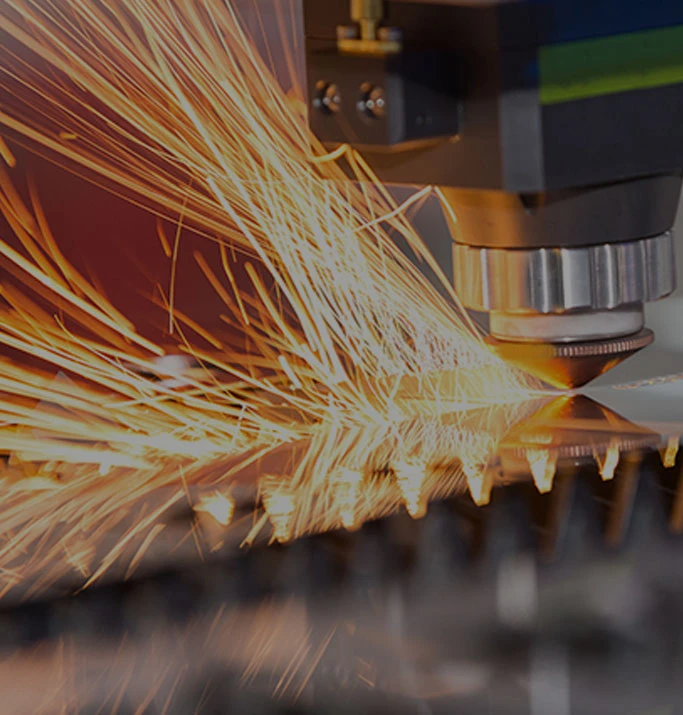
Computer Numerical Control, or CNC, is a way to use programmed orders to make laser cutting machine in india tools work automatically. It is often used with laser technology to cut complicated forms and patterns quickly and accurately. A strong laser beam melts, burns, or vaporizes materials during laser cutting, leaving clean cuts with little waste. The CNC processor makes sure that the axes move precisely. This technology has benefits such as less tool wear, less waste, better tolerances, and faster turnaround times for small batches and mass production.
Common Materials Suitable for CNC Laser Cutting
CNC lasers are flexible machines that can precisely cut steel, aluminium, brass, and copper, among other metals. Steel is often used in the building, car, and custom fabrication industries. AluminiumOn the other hand, aluminium needs higher power settings because its surface is reflective. Fibre lasers can cut these materials well, but they can be hard because they are reflective and carry heat well. Lasers can cut plastics like PMMA, polycarbonate, and PVC, but it's not a good idea to do so because they give off chlorine gas, which is dangerous.
Wood and Wood-Based Materials
Laser-cutting wood is famous because it looks good and can be used for many things. Cutting and carving hardwoods like maple, walnut, and birch is possible. Furniture and signs are made from plywood and MDF. Using the right ventilation and speed settings is important for a clean finish. You may need to make more passes or use a higher wattage for bigger boards.
Fabric and Textiles
The fashion and textile industries are increasingly using laser cutting to make clean cuts in synthetics like polyester and nylon, as well as natural materials like cotton, silk, and wool. Laser cutting can be used to make technical fabrics, clothes, and home decor. But different weaves and widths change the laser's work, so it's best to do a test cut first.
Leather and Faux Leather
Laser cutting can be used on both real and fake leather, but natural leather is best for both decorative and practical purposes. The chemical makeup of fake leather needs to be checked to prevent harmful fumes from escaping. Laser cutting lets you carve, perforate, and make complex patterns when working with leather.
Paper and Cardboard
Laser cutters are very good at cutting paper and cardboard precisely, making them useful for many tasks, such as making wedding cards and custom packaging. They can print on cardstock, tissue paper, and art paper, but corrugated cardboard needs to be set up carefully—Craftspeople and artists like how fast and flexible they are.
Glass and Ceramics
Lasers can mark, cut, and score the surface of thin glass, but not thick glass. Ceramics can only be used for writing on the surface; they can't be used for full cuts. They need to be handled in a certain way to keep them from cracking from heat stress, and CO₂ lasers can often help with this.
Materials to Avoid with CNC Laser Cutting
CNC laser machine can cut many materials, but not all of them are good because some have reflective coatings, high heat conductivity, toxic gases from PVC, ABS, and Teflon, and lenses can be damaged by resins in glass and composites. So, it's important to do a lot of study and make sure everything is safe before cutting unfamiliar materials.
CNC machines are very useful machines that can cut, engrave, or etch different kinds of materials, like metals, woods, fabrics, and leather. To get the most out of different materials, especially in India for business or artistic uses, you need to know their strengths and weaknesses. By choosing the right materials and settings, users can get safe, effective, and aesthetically pleasing results in a wide range of crafts and businesses.