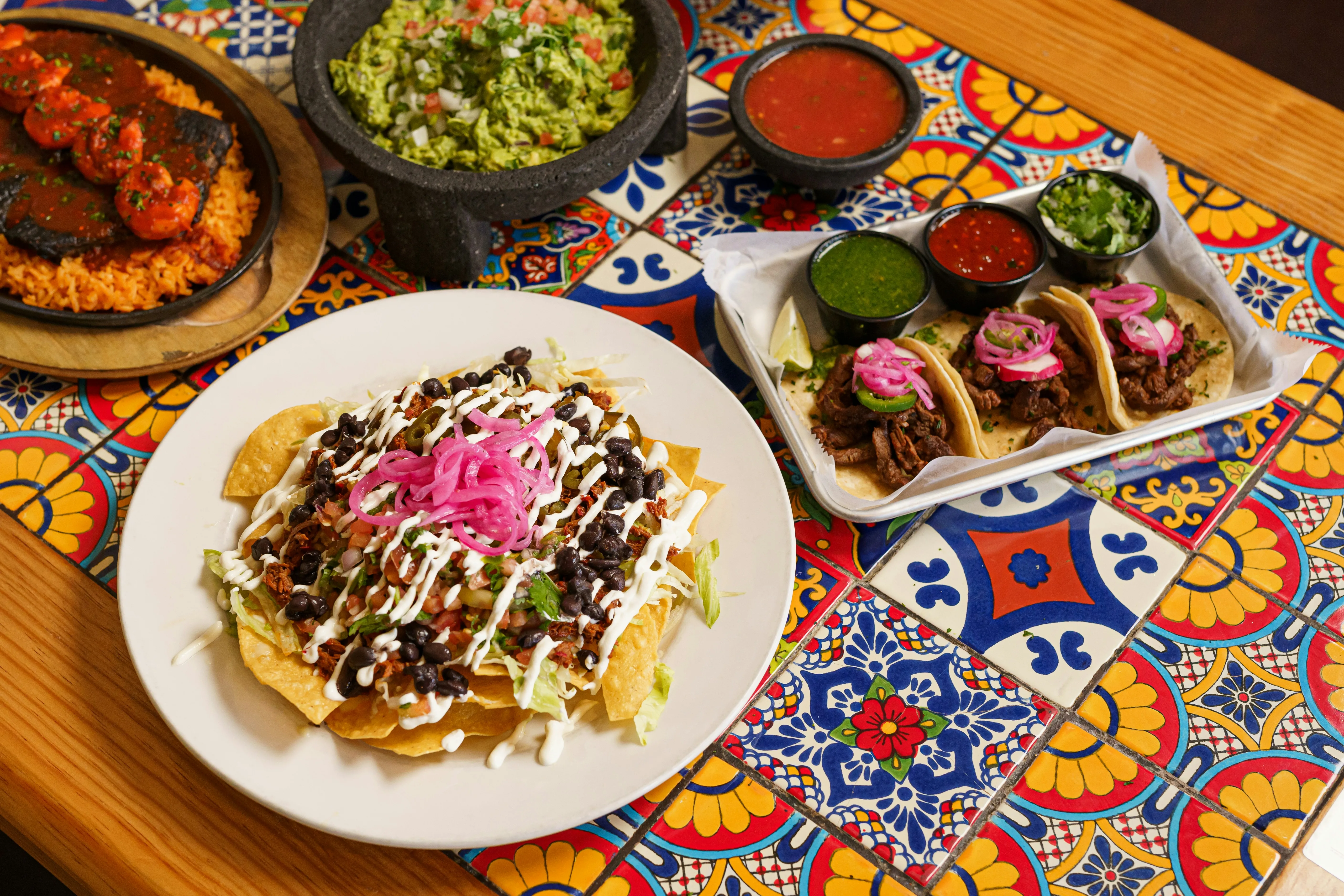
Mexican cuisine is known around the world for its bold flavors, colorful ingredients, and incredible variety. From tacos and tamales to enchiladas and traditional soups, Mexican cooking combines simple ingredients in ways that create complex and satisfying flavors.
But what actually makes Mexican food so flavorful? The answer comes from a combination of fresh ingredients, herbs, spices, cooking techniques, and the careful balance of different tastes.
The Importance of Fresh Ingredients
Fresh ingredients are at the heart of many Mexican dishes. Tomatoes, onions, cilantro, chilies, avocados, limes, and corn are commonly used to add freshness and character to meals.
Fresh produce can provide several layers of flavor at once. Tomatoes contribute sweetness and acidity, onions add sharpness, cilantro provides an herbal note, and lime brings a bright citrus flavor. When combined, these ingredients can transform a relatively simple dish into something much more interesting.
Chilies Add More Than Heat
Chilies are another important part of Mexican cooking. While some varieties are known for their heat, chilies are not used simply to make food spicy.
Different chilies can contribute smoky, earthy, fruity, sweet, or slightly bitter flavors. Jalapeños, poblanos, ancho chilies, and other varieties each have their own characteristics. Cooks can use them fresh, dried, roasted, or blended into sauces depending on the dish.
This variety allows Mexican cuisine to use chilies as an important source of flavor rather than relying only on heat.
Herbs and Spices Create Depth
Mexican cooking also makes use of herbs and spices to build layers of flavor. Cilantro is commonly used as a fresh finishing herb, while ingredients such as cumin, oregano, cinnamon, and cloves can contribute warmth and complexity to different recipes.
Spices are often combined with other ingredients rather than dominating the dish. This creates a balanced flavor profile where individual ingredients complement one another.
The Role of Salsa
Salsa can completely change the character of a Mexican meal. Some salsas are fresh and acidic, while others are smoky, roasted, or spicy.
A simple salsa may contain tomatoes, onions, cilantro, chilies, and lime. Roasting some of these ingredients first can add a deeper, slightly smoky flavor. This is one reason salsa is such an important accompaniment to tacos, grilled meats, and other Mexican dishes.
For anyone exploring Mexican food for the first time, trying different salsas is an easy way to discover how much variety the cuisine offers.
Corn and Traditional Cooking
Corn has played an important role in Mexican cuisine for centuries. Tortillas, tamales, and many other traditional foods are based on corn.
The preparation of corn also matters. Nixtamalization, a traditional process used to prepare corn with an alkaline solution, changes the texture and nutritional characteristics of the grain and helps produce masa used for tortillas and other foods.
Fresh tortillas can provide an earthy, slightly sweet flavor that pairs particularly well with seasoned meats, vegetables, beans, and salsa.
Balancing Different Flavors
One of the secrets behind enjoyable Mexican food is balance. A dish does not necessarily need to be extremely spicy to be flavorful.
A well-prepared meal might combine savory meat with acidic lime, fresh cilantro, creamy avocado, spicy salsa, and warm tortillas. Each component contributes something different.
This balance between spicy, salty, acidic, savory, sweet, and fresh flavors helps prevent a dish from becoming one-dimensional.
Exploring Mexican Food
There are many ways to experience these flavors, from traditional home cooking to modern Mexican restaurants. Trying different dishes is one of the best ways to understand how ingredients and cooking techniques work together.
For those looking to explore Mexican food in Cypress, Tacomasa is one local option where diners can experience a variety of Mexican-inspired flavors and dishes in a casual setting.
Whether you're trying tacos for the first time or already have a favorite Mexican dish, paying attention to the ingredients can make the dining experience even more interesting.
Final Thoughts
Mexican cuisine gets its distinctive character from much more than spicy peppers. Fresh produce, corn, herbs, spices, roasting techniques, traditional preparation methods, and carefully balanced flavors all contribute to the experience.
The next time you enjoy Mexican food, take a moment to notice the different flavors working together. You may find that the most memorable part of the meal is not a single ingredient, but the way several simple ingredients combine to create something much richer.