
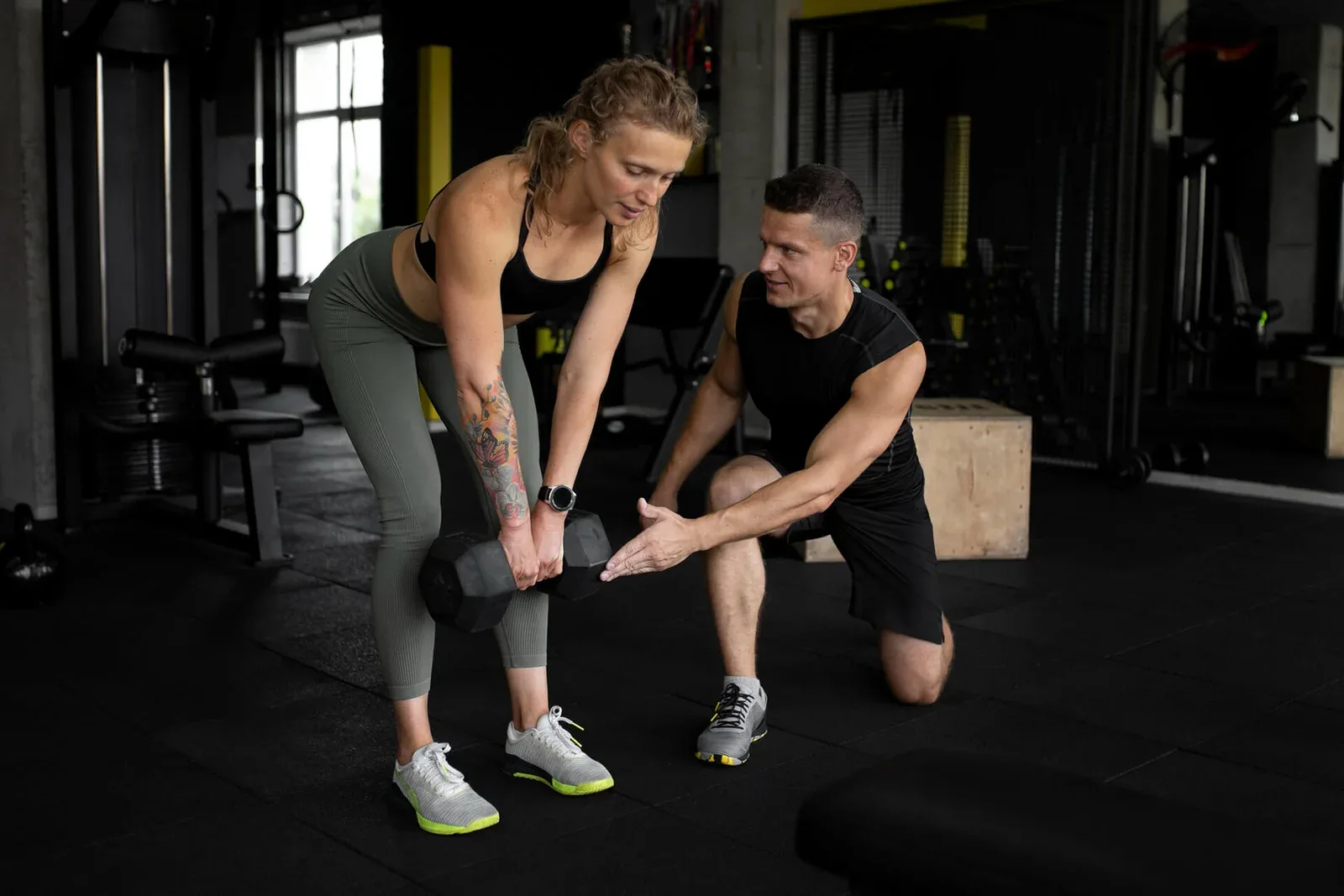
A packed calendar can make exercise feel like one more obligation, but the real challenge is often knowing where to begin. Between work, family, travel, and personal responsibilities, many adults struggle to maintain a routine on their own. Texas-Based Virtual Fitness Coaching for Real Results offers a practical way to receive personalized guidance while fitting workouts around everyday commitments. With the right structure, coaching can turn inconsistent exercise into a manageable and sustainable habit.
Why Busy Adults Struggle With Fitness
Finding time to exercise is only part of the problem. Busy adults also have to deal with unpredictable schedules, low energy, changing priorities, and uncertainty about what workouts will actually produce results.
A person may have an hour available one day and only 20 minutes the next. A rigid program can quickly become difficult to follow when real-life responsibilities interfere.
Common Barriers to Regular Exercise
Several obstacles frequently make consistency difficult:
- Long or unpredictable workdays
- Family and household responsibilities
- Frequent business or personal travel
- Limited access to a convenient gym
- Lack of knowledge about exercise selection
- Uncertainty about workout intensity
- Previous injuries or physical limitations
- Losing motivation after a few weeks
The problem is not necessarily a lack of commitment. Often, people simply need a fitness plan that accounts for their actual lifestyle.
How Personalized Fitness Coaching Helps
Effective coaching begins by understanding the individual rather than handing everyone the same workout plan. A coach can consider goals, fitness experience, available equipment, schedule, preferences, and current activity levels.
This approach makes training more realistic. Instead of trying to copy someone else's routine, a busy adult can follow a plan designed around the time and resources they actually have.
For example, someone who works from home may benefit from several short strength sessions during the week. Another person who travels regularly may need bodyweight workouts that can be completed in a hotel room.
The goal is to create consistency without making exercise feel impossible to maintain.
Why Virtual Fitness Coaching Fits Busy Schedules
Virtual Fitness Coaching gives adults access to professional guidance without requiring every workout to happen at a specific gym or location.
This flexibility can make a major difference for people with demanding schedules. Sessions, check-ins, and training plans can often be organized around work commitments, travel, and personal responsibilities.
Training From Almost Anywhere
One practical benefit is location flexibility. Depending on the program, clients may be able to train at home, outdoors, in a hotel, or in another suitable environment.
A simple setup may include:
- Resistance bands
- Dumbbells
- A yoga or exercise mat
- A stable chair or bench
- Bodyweight exercises
However, equipment requirements should always depend on the individual's goals and training plan.
More Flexibility With Time
Virtual coaching can also make it easier to work around changing schedules. A coach can help establish a weekly structure while allowing adjustments when unexpected commitments arise.
For example, a 45-minute workout might become a 25-minute session on an especially busy day. Rather than abandoning the entire week, the person can modify the session and continue building consistency.
That ability to adapt can be more useful than following a perfect schedule that rarely survives real life.
What Makes Fitness Coaching Effective?
Good coaching involves more than providing exercises. It combines planning, education, accountability, communication, and ongoing adjustments.
A useful coaching relationship should help clients understand what they are doing and why it matters.
Personalized Planning
A personalized plan considers the person's current abilities and objectives. Someone focused on improving strength may need a different structure from someone preparing for a recreational event or trying to improve general fitness.
Coaches can also help determine how frequently someone should train and how much recovery they may need.
Clear Progression
Repeating the same workouts indefinitely can limit progress. Effective programs gradually adjust variables such as resistance, repetitions, exercise difficulty, volume, or training frequency when appropriate.
Progression does not always mean doing more. Sometimes the right move is reducing training demands to allow better recovery.
Accountability
Accountability can help people follow through when motivation naturally fluctuates. Regular check-ins create opportunities to discuss completed workouts, challenges, schedule changes, and upcoming goals.
This does not mean relying entirely on a coach for motivation. Instead, accountability provides an external structure that can support better habits.
Ongoing Adjustments
Life changes, and fitness programs should be able to change with it.
A person may experience a heavier workload, take a vacation, change their available equipment, or encounter a temporary physical limitation. An adaptable coach can modify the plan instead of treating missed workouts as failure.
Fitness Coaching vs. Exercising Without Guidance
Independent exercise can certainly be effective. Many people enjoy creating their own routines and have enough experience to train safely and consistently.
However, guidance may be useful when someone feels uncertain about exercise selection, progression, scheduling, or technique.
Fitness ApproachPotential AdvantageCommon ChallengeSelf-directed workoutsComplete flexibilityMay lack structureGym-based personal trainingDirect instructionRequires location and schedule coordinationVirtual coachingFlexible guidance and accountabilityRequires communication and self-disciplineGroup fitness classesSocial motivationLess individual customizationShort home workoutsConvenient and accessibleMay require careful programmingThe right approach depends on the individual's preferences, experience, goals, and circumstances. Coaching is most useful when it solves a specific problem rather than simply adding another commitment.
How Coaches Help Busy Adults Build Sustainable Habits
Long-term fitness usually depends on habits that can survive busy periods. A plan that works only during an unusually free month may not be practical for the rest of the year.
Start With Realistic Commitments
A person who currently exercises once a week may not need a seven-day training schedule. Starting with manageable sessions can make the transition easier.
For example, three structured workouts per week may provide a more realistic starting point than attempting daily training immediately.
Make Workouts Efficient
Busy adults can benefit from exercises that train multiple muscle groups and make good use of limited time.
Depending on the person's goals and experience, a session might combine movements such as squats, presses, rows, hinges, carries, or controlled bodyweight exercises.
The exact exercises should match individual ability and any relevant physical limitations.
Plan Around the Calendar
Scheduling workouts like other important appointments can improve consistency. Some people prefer morning sessions, while others perform better after work or during a lunch break.
There is no universal best time. The most practical time is one that fits the person's routine and can be repeated consistently.
The Role of Accountability in Long-Term Progress
Progress can be difficult to recognize when people focus only on the scale or appearance. Fitness coaching can encourage clients to consider multiple indicators.
These may include:
- Workout consistency
- Strength improvements
- Better exercise technique
- Increased endurance
- Improved mobility
- Greater confidence with movement
- Ability to complete everyday activities more comfortably
Tracking several forms of progress provides a broader view of development.
For instance, someone may not notice a major change in body weight but may discover that exercises that once felt difficult have become easier. That is still useful information about their progress.
How Technology Supports Virtual Coaching
Technology makes remote coaching more practical than it once was. Depending on the coach and service, clients may use video calls, mobile apps, shared workout plans, messaging platforms, or digital progress tracking.
These tools can simplify communication and make training information easier to access.
However, technology should support coaching rather than replace professional judgment. A useful program still depends on appropriate exercise selection, clear communication, realistic goals, and regular review.
How to Get More From Your Coaching Program
Clients also play an important role in making coaching effective. Even a carefully designed plan requires honest communication and consistent effort.
Communicate Clearly
Tell your coach when a workout feels too difficult, when your schedule changes, or when an exercise does not feel comfortable. Useful feedback allows the program to be adjusted.
Do not assume that missing a workout needs to be hidden. An effective coaching relationship should make it easier to discuss obstacles and find practical solutions.
Track Your Workouts
Recording completed sessions can reveal patterns that are difficult to notice otherwise.
A simple record might include the exercises performed, repetitions, resistance used, workout duration, and general notes about how the session felt.
Prioritize Recovery
More exercise is not automatically better. Sleep, rest days, hydration, nutrition, and appropriate training volume all contribute to a sustainable fitness routine.
Busy adults should especially avoid building programs that leave no room for recovery.
Choosing a Fitness Coach for a Busy Lifestyle
Before committing to a coaching program, consider whether the service matches your needs.
Ask questions such as:
- How is the program personalized?
- How does the coach communicate with clients?
- How often are workouts reviewed?
- Can the program adapt to schedule changes?
- What equipment is required?
- How is progress tracked?
- What happens when a client misses a workout?
- Does the coach explain proper exercise technique?
- How are individual goals incorporated into the program?
- Is the program appropriate for your current fitness level?
These questions can help you understand whether the coaching structure fits your lifestyle.
Why Consistency Matters More Than Perfection
One missed workout does not erase weeks of progress. Likewise, an unusually busy week does not mean someone has failed at fitness.
The more useful approach is to return to the routine when circumstances allow. Coaches can help clients develop this mindset by treating setbacks as information rather than reasons to abandon the program.
A sustainable fitness routine should leave room for normal life. Work deadlines, family events, travel, and unexpected responsibilities will happen. A flexible plan makes it easier to continue despite those interruptions.
Making Fitness Part of a Busy Lifestyle
The most sustainable exercise routine is usually one that fits naturally into everyday life. Instead of waiting for a completely free schedule, adults can identify realistic opportunities for movement and build their routine around them.
A short workout completed consistently can be more practical than an ambitious program that is repeatedly postponed.
Virtual Fitness Coaching can provide the structure needed to make that process easier. With personalized planning, accountability, flexible scheduling, and regular adjustments, busy adults can approach fitness as a long-term routine rather than a temporary challenge.
Conclusion
Fitness coaching can help busy adults solve one of the biggest barriers to exercise: creating a routine that works in real life. Personalized programming, flexible scheduling, accountability, and regular adjustments can make training easier to manage alongside work and family responsibilities. Virtual Fitness Coaching adds another layer of convenience by allowing people to receive guidance without always being tied to a specific location. Ultimately, sustainable progress comes from realistic goals, consistent effort, proper recovery, and a willingness to adapt when life changes. With the right structure, fitness can become a manageable part of a busy lifestyle rather than another source of stress.
FAQs1. Is virtual fitness coaching suitable for busy professionals?
Yes. Virtual coaching can be useful for professionals who need flexible workout scheduling and guidance that fits around changing work commitments.
2. Can I follow a fitness coaching program without a gym?
Many programs can be adapted for home workouts using bodyweight movements or basic equipment. The appropriate setup depends on your goals and training needs.
3. How often should busy adults work out?
The ideal frequency varies by fitness level, goals, recovery needs, and schedule. A coach can help create a realistic routine that can be maintained consistently.
4. Can virtual coaching help with accountability?
Yes. Regular check-ins, workout tracking, progress reviews, and communication with a coach can provide additional structure and accountability.
5. What should I look for in a virtual fitness coach?
Look for a coach who provides individualized programming, communicates clearly, tracks progress, adapts workouts when circumstances change, and explains exercises in an easy-to-understand way.