When it comes to building or renovating a home today, efficiency, sustainability, and long-term livability are no longer optional — they’re fundamental. Homeowners across Melbourne and beyond are seeking not just beautiful spaces, but smart, functional, and future-ready ones. At the heart of this shift is Energy Efficient House Design, a concept that blends innovative architecture, advanced materials, and intelligent planning to create homes that minimize energy consumption while maximizing comfort. But how does this approach tie into modern architecture, and why does it matter so much right now? Let’s explore.
How Location and Community Influence Design
Every neighborhood has its character, and architecture needs to adapt accordingly. For example, the timeless appeal of a Richmond Architect lies in balancing the suburb’s heritage charm with the needs of contemporary living. Energy-efficient principles fit naturally into this, ensuring homes respect local aesthetics while embracing modern sustainability.
Similarly, areas known for their creative and cultural energy thrive when architects understand the local vibe. This is where Fitzroy Architects come in, crafting homes that reflect the neighborhood’s bold identity while incorporating efficient layouts, natural ventilation, and eco-conscious materials.
Why Efficiency is More Than Just Savings
While reduced power bills are an obvious benefit, the true value of energy efficiency lies in its holistic impact. Thoughtful orientation, insulation, and window placement can drastically improve comfort without relying heavily on artificial heating or cooling. These details are what set expert builders apart. Teams like Custom Home Builders Melbourne bring these principles into reality, ensuring every square meter is designed for both style and sustainability.
For those seeking higher precision in execution, the expertise of Architectural Builders Melbourne provides a bridge between design vision and construction excellence. This collaboration guarantees that the concept of efficiency doesn’t remain on paper but translates into durable, livable results.
The Role of Modern Living Trends
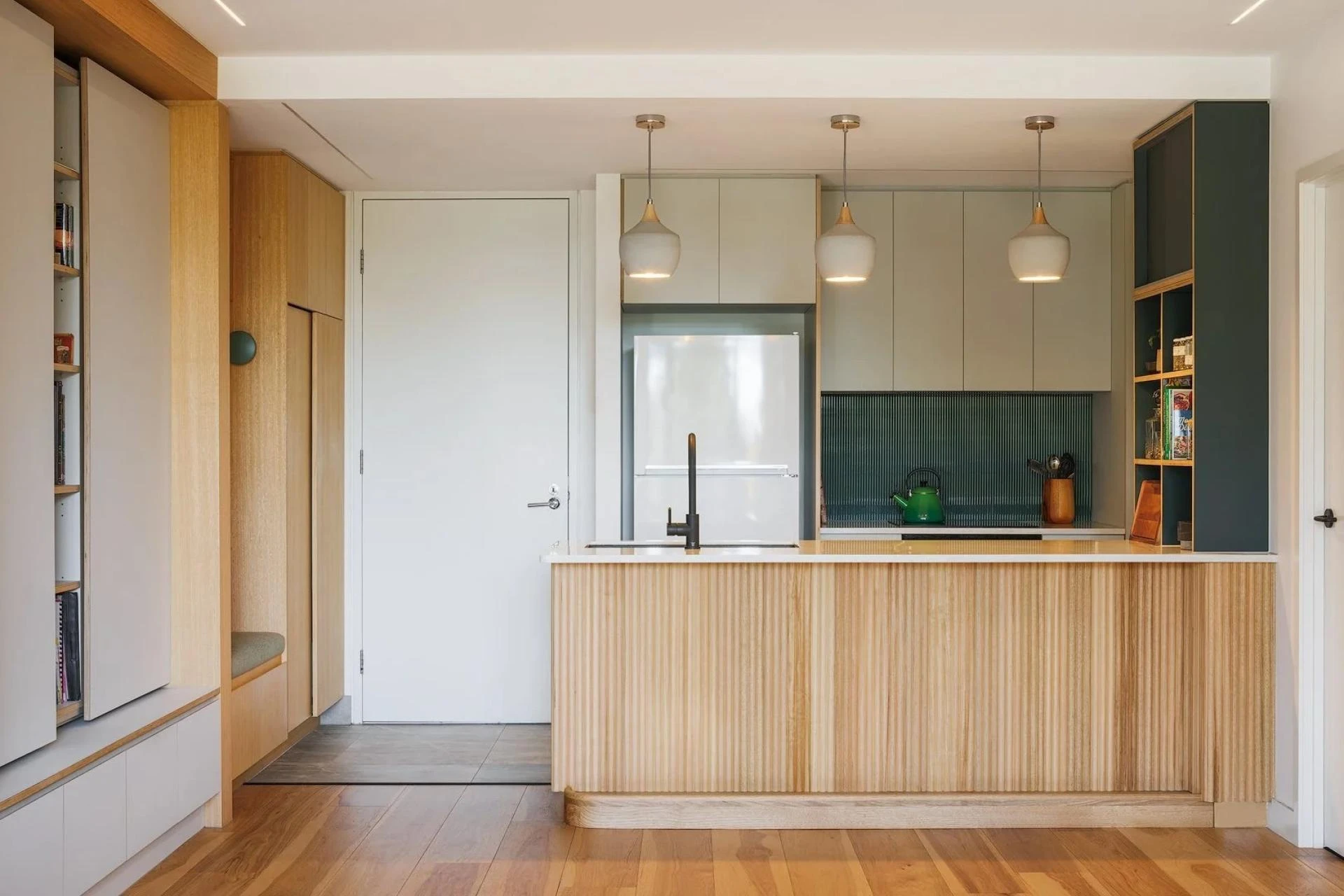
The way we live has changed significantly in recent decades. Open-plan layouts, flexible spaces, and seamless indoor-outdoor connections have become priorities. Incorporating these preferences without sacrificing sustainability is where design truly shines. Modern Home Design Melbourne captures this balance, showing how comfort and efficiency can coexist beautifully. Natural light, multipurpose areas, and low-maintenance finishes reflect the evolving lifestyle needs of homeowners today.
Why Planning Matters More Than Ever
No successful home is built without foresight. Before construction even begins, a Feasibility Study Architecture process can determine whether a project aligns with the client’s vision, budget, and environmental goals. This crucial step ensures that energy efficiency is considered from the start, not tacked on as an afterthought. By addressing potential challenges upfront, the path to building a sustainable home becomes smoother and more achievable.
Regional Adaptations and Design Nuances
Beyond inner-city living, regional areas bring their own architectural opportunities and challenges. A Kyneton Architect, for instance, must consider both rural character and climate variations. Energy-efficient design in such settings might include passive solar strategies, natural shading, and materials suited for temperature extremes. These adjustments highlight how adaptable and versatile sustainable design can be, no matter the setting.
Looking Ahead: The Future of Energy-Efficient Homes
The global push toward greener living shows no signs of slowing. As technology advances, we can expect even more refined approaches to energy-efficient homes — from smart systems that automatically regulate energy use to new building materials with superior insulation properties. For homeowners, this means increased comfort, lower costs, and the satisfaction of knowing their lifestyle choices contribute to a healthier planet.
Conclusion
Designing a home today requires more than a vision for aesthetics; it demands responsibility toward the environment and future generations. By embracing Energy Efficient House Design, homeowners and architects alike can shape spaces that are beautiful, functional, and sustainable. Whether through the cultural vibrancy of Fitzroy, the heritage charm of Richmond, or the rural character of Kyneton, thoughtful design ensures every home is a long-term investment in both lifestyle and the planet. For anyone seeking to bring these principles into their dream home, Whisker Architecture stands ready to guide the journey with expertise, creativity, and a deep commitment to sustainable living.