A wedding brings together more than two people. It brings together parents, siblings, cousins, grandparents, childhood friends, family traditions and years of memories. The ceremony is important, but the overall feeling of the wedding depends on how naturally both families begin to feel comfortable with one another.
A beautiful celebration should not feel divided into “our side” and “their side.” From the first day, guests should feel welcomed into one shared family occasion. This warmth does not come only from expensive décor or a large stage. It comes from thoughtful arrivals, informal conversations, comfortable stays, shared meals and small moments that help people connect.
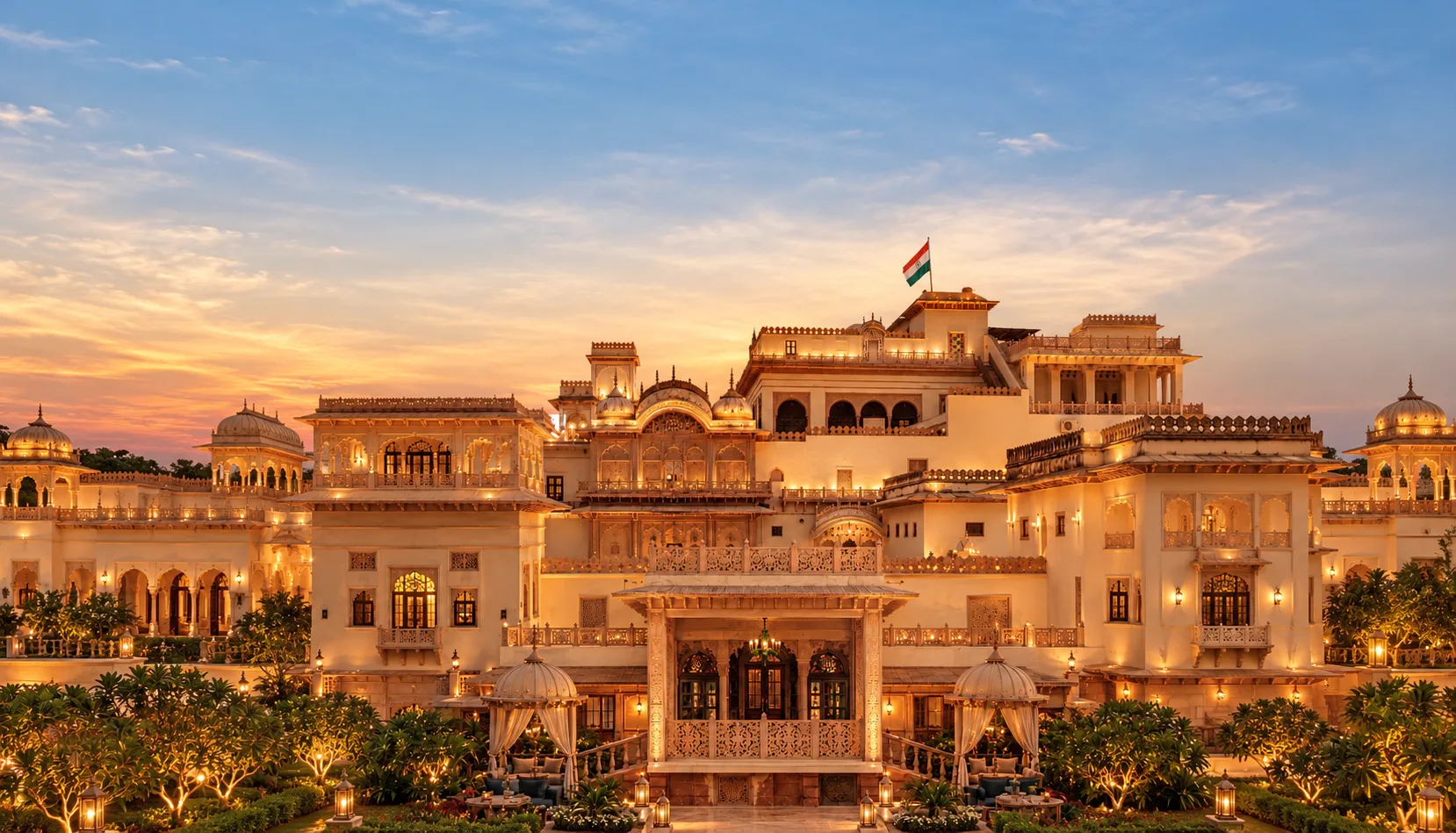
Good wedding guest stay planning in Jaipur gives families a strong foundation for that experience. When guests feel settled, informed and welcomed, they participate with more happiness in every event that follows.
Arrival should feel personal, not rushed
Guests often come from different cities and arrive at different times. Some may have travelled for several hours. Some may be elderly. Some may have children. A smooth arrival experience helps everyone feel that their presence matters.
The first few hours should not be overloaded with formal programmes. Guests need time to check in, settle, freshen up and meet family members. A simple welcome drink, light refreshment, helpful guidance and clear information about the day can make a major difference.
The aim is not to create a complicated reception desk. It is simply to make people feel expected. When relatives are greeted warmly and know what will happen next, they relax quickly.
Families can also designate one or two people to assist guests with questions. This prevents the bride and groom or their parents from being pulled into every small issue. They can spend time greeting relatives instead of managing directions and room details.
Begin with an informal family meeting
The first evening is a valuable opportunity for both families to connect before the larger functions begin. Rather than starting immediately with a highly formal event, families can host a relaxed dinner, tea gathering or light music evening.
This gives people a chance to introduce themselves naturally. Elders can share stories, siblings can meet, cousins can begin talking and friends can become comfortable in the larger group. The setting should support conversation rather than overpower it.
A few simple ideas can help:
- A small display of childhood photos of the couple.
- A wish board where guests write messages.
- A family quiz with light-hearted questions.
- A short welcome speech from both families.
- Music that includes meaningful songs from both households.
The best ice-breaking activities feel easy and optional. Guests should never feel forced to perform or participate. Even a little shared laughter can remove formality and create a more affectionate atmosphere.
Plan rooms with family comfort in mind
Room allocation is not only a practical task. It affects how easily guests can participate in the wedding. Close relatives who need to coordinate should be conveniently placed. Senior citizens should have comfortable access. Families with children may need easy movement to common areas. Friends and cousins can be grouped together where suitable.
When these details are planned in advance, guests spend less time calling for directions and more time enjoying the celebration. They can return to their rooms when needed and rejoin the functions without complicated transport arrangements.
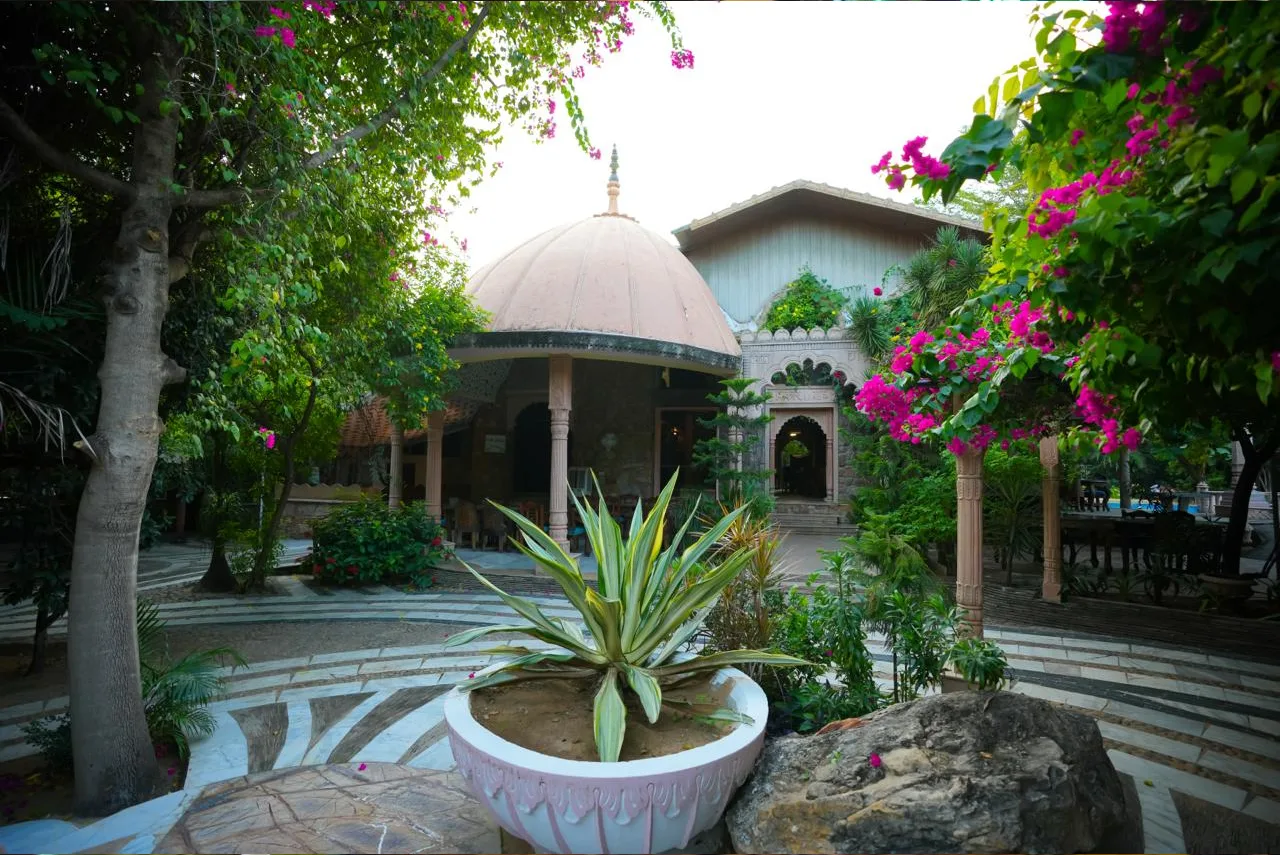
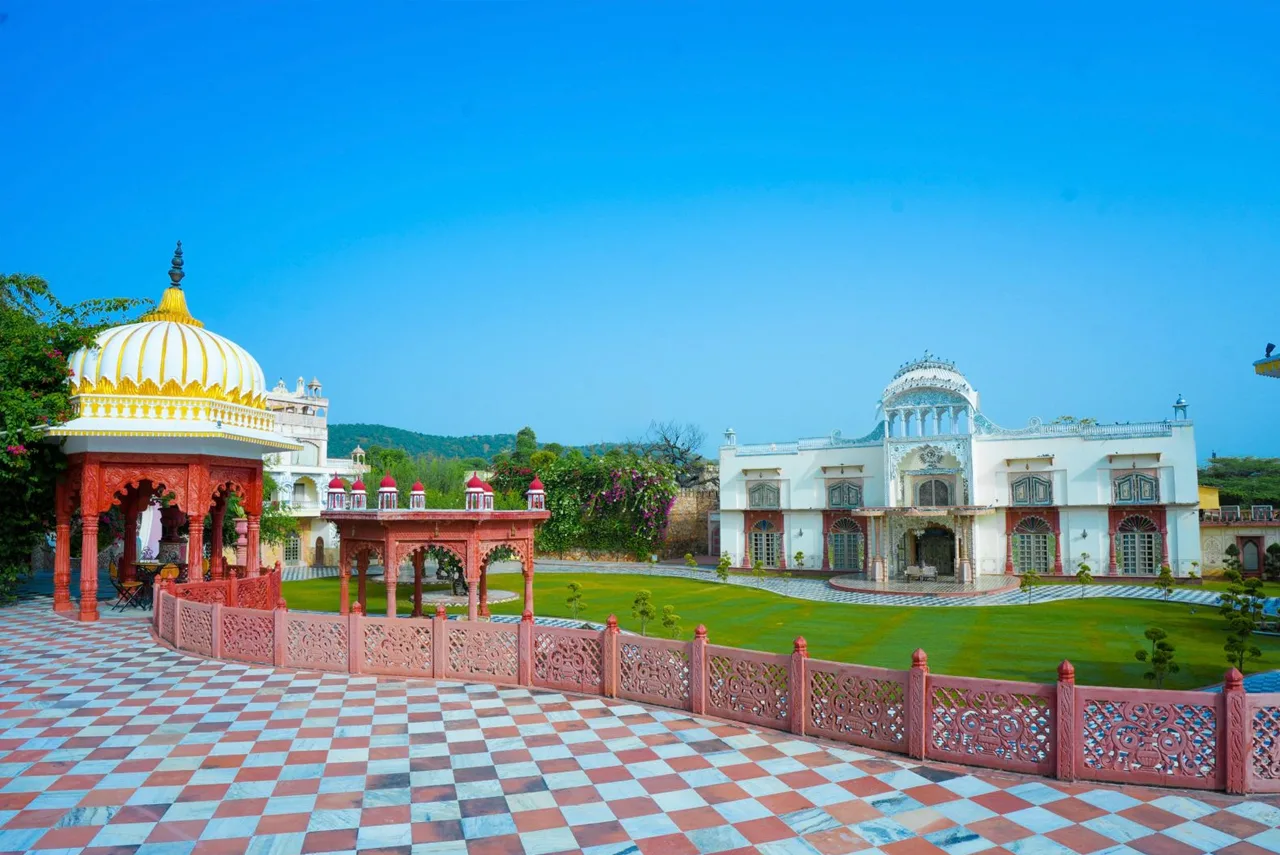
A family wedding celebration venue should allow people to move between rest, meals, rituals and social gatherings comfortably. This kind of convenience quietly improves the mood of the entire event.
Give elders a meaningful role
Elders bring emotional depth to a wedding. Their presence is valuable not only during formal rituals, but also in the personal moments around them. A warm celebration gives grandparents and senior family members an active place in the experience.
They can offer a blessing, share a short family memory, take part in a welcome ritual or lead a small prayer. These moments help younger guests feel connected to family history. They also give elders the dignity of being participants rather than only observers.
A simple family dinner can include a short blessing from grandparents. A pre-wedding event can invite relatives to share one positive memory about the bride or groom. A photo display can include earlier family weddings. Such details often become more meaningful than lengthy stage performances.
The key is sincerity. The moment should feel personal, not added only for formality.
Keep children happy and included
Children create some of the happiest candid moments at a wedding, but they need attention too. Long ceremonies, loud music and late dinners can make them tired. When children are comfortable, their parents can enjoy the functions more freely.
Families can plan simple food options, early snack arrangements, safe play activities or a small children’s corner. They can also involve children in suitable moments, such as a flower-petal welcome, a family dance or a handwritten wish card activity.
These small arrangements help children feel included instead of simply waiting through adult events. Parents appreciate the care, and the whole celebration becomes easier for everyone.
Use a realistic event pace
A wedding should be festive, but it should not feel rushed from morning until night. Guests need time to eat, rest, get ready and speak with people they may not have seen for years. If every event begins immediately after the previous one, family members may become tired before the main celebrations even begin.
A better plan includes comfortable gaps. After a daytime ceremony, guests can take time to refresh before the evening. Meals can be served at sensible timings. Senior guests should not be made to wait too late for important rituals. A clear schedule helps everyone know what is coming next.
The beauty of a multi-day wedding is that it gives families time. There can be a morning ritual, a relaxed lunch, a pause, an evening celebration and a late-night conversation without making anyone feel over-scheduled.
Add a gentle sense of Rajasthan
For guests coming from outside Jaipur, the setting can become part of the wedding memory. Regional hospitality, colours, music and food can add a graceful sense of place without turning the event into an artificial theme.
A welcome drink, local flavours, soft folk music, festive styling or a thoughtfully designed meal can make guests feel that they are experiencing Rajasthan in a natural way. These elements should support the celebration, not distract from it.
The result is a wedding that feels rooted, warm and different from a standard ballroom event.
Protect the couple’s time
The bride and groom have the busiest role of all. They must meet guests, pose for photographs, participate in rituals and still remain emotionally present. A good coordination plan protects their time.
Family members can handle guest queries. A designated coordinator can manage event flow. Close relatives can take responsibility for small tasks. This allows the couple to enjoy their own wedding rather than feel like they are managing it.
For families discussing guest flow, ceremonies and stay arrangements, wedding event planning at Lohagarh can be approached as one complete family experience instead of separate disconnected events.
A warm wedding gathering is created through consideration. When guests are welcomed calmly, elders are respected, children are comfortable and both families have time to talk, the celebration begins to feel familiar from the first day itself.