
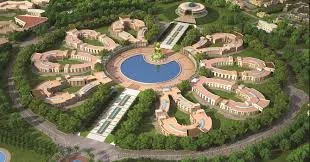
The architectural landscape of Delhi NCR is constantly evolving, driven by rapid urbanization, technological advancements, and changing client expectations. Whether designing residential communities, commercial developments, educational institutions, or public spaces, a leading design practice must combine creativity with technical excellence. With numerous architect firms in Delhi NCR offering diverse services, identifying the right partner requires understanding the qualities that distinguish exceptional firms from the rest. From innovative design thinking to sustainable planning and efficient project execution, the best architectural practices consistently deliver spaces that create lasting value.
The Importance of a Strong Design Philosophy
Every successful architectural practice begins with a clear design philosophy. Rather than simply creating visually appealing structures, leading firms focus on designing environments that enhance functionality, user experience, and long-term performance.
A well-defined philosophy guides every stage of the project, ensuring consistency between concept development, planning, and execution. Strong design thinking also allows architects to develop solutions tailored to the unique needs of each client while responding effectively to environmental, cultural, and urban contexts.
Experience Across Diverse Projects
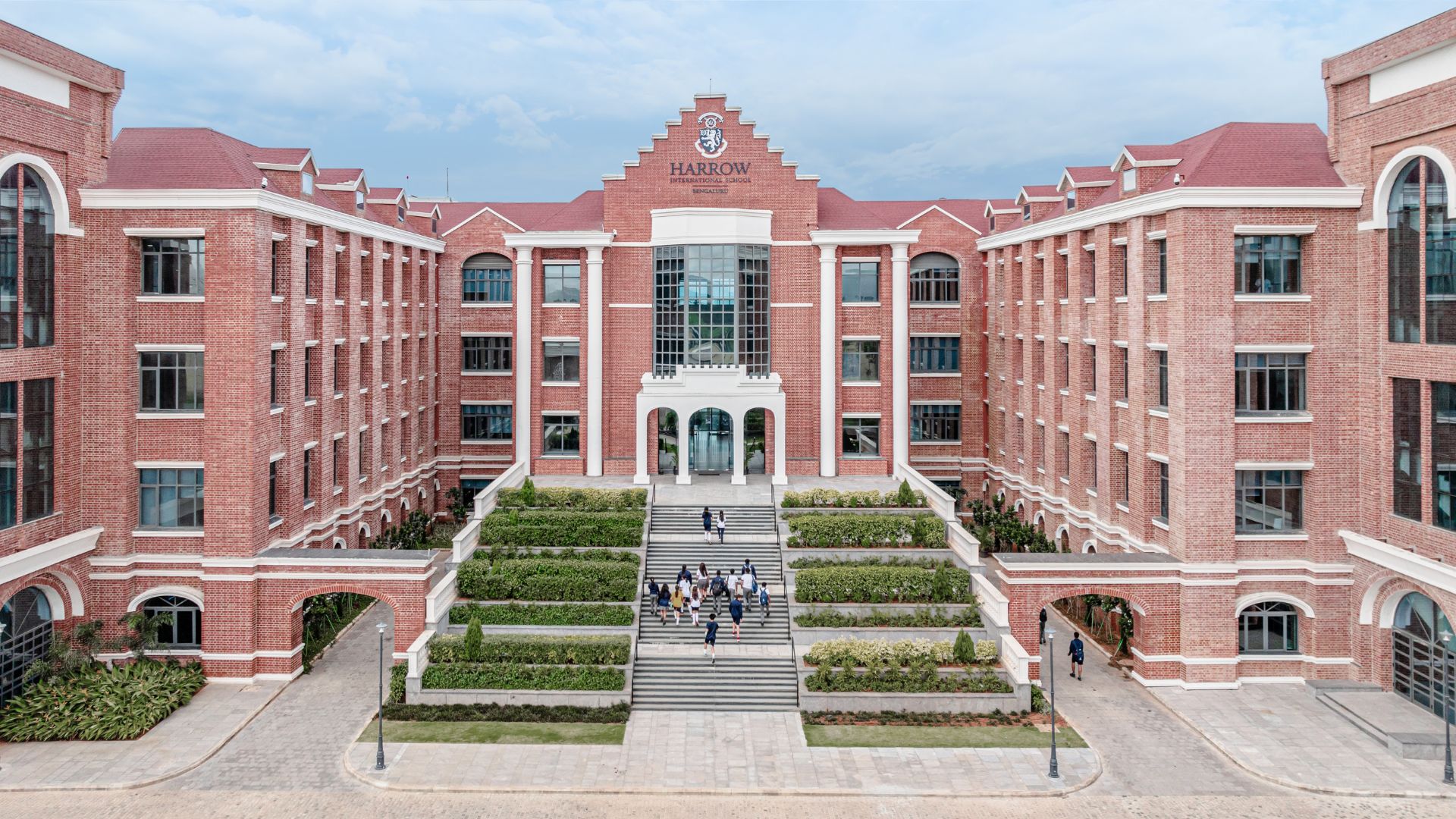
One characteristic that separates exceptional architecture firms from others is the breadth of their project experience. Working across different sectors builds valuable expertise and enables architects to solve complex design challenges efficiently.
Projects may include:
- Residential developments
- Commercial buildings
- Educational campuses
- Healthcare facilities
- Hospitality projects
- Mixed-use developments
- Institutional buildings
Exposure to varied project types helps architects develop adaptable solutions while maintaining quality regardless of project scale.
Innovation Beyond Aesthetics
Innovation extends far beyond creating attractive building facades. Modern architectural practices use innovative thinking to improve space utilization, energy efficiency, occupant comfort, and construction methods.
Leading firms continuously adopt emerging technologies, advanced materials, and intelligent planning strategies to create buildings that remain relevant for decades.
Innovation also encourages flexibility, allowing buildings to accommodate changing user requirements without extensive future modifications.
Sustainability as a Core Principle
Sustainable architecture has become an essential expectation rather than an optional feature. A leading design practice integrates environmental responsibility into every stage of planning and design.
When evaluating architect firms in Delhi NCR, clients should consider whether sustainability is embedded within the firm's design philosophy. Effective sustainable practices include maximizing natural daylight, reducing energy consumption, improving indoor environmental quality, conserving water resources, and selecting environmentally responsible materials.
These strategies contribute to healthier buildings while reducing long-term operational costs and environmental impact.
Technical Excellence and Modern Technology
Technology has transformed architectural design and project delivery. Leading design practices invest in advanced digital tools that improve accuracy, collaboration, and visualization.
Modern technologies commonly include:
Building Information Modeling (BIM)
BIM enables architects, engineers, and consultants to collaborate through detailed digital models that improve project coordination and reduce construction errors.
3D Visualization
Three-dimensional renderings and walkthroughs allow clients to understand design concepts before construction begins, making informed decisions easier.
Digital Project Coordination
Cloud-based collaboration platforms improve communication between project stakeholders, ensuring faster updates and efficient document management.
Technical excellence enables firms to manage increasingly complex projects while maintaining quality throughout the design and construction process.
Visit Now: https://share.google/epz9TdiXZWxzNXNzZ
Client-Centered Collaboration
Outstanding architectural firms prioritize collaboration throughout the project lifecycle. Rather than imposing design ideas, they actively involve clients in decision-making while providing professional guidance.
Transparent communication helps establish trust and ensures expectations remain aligned from concept development through project completion.
Effective collaboration includes:
- Understanding client objectives
- Providing regular progress updates
- Explaining technical concepts clearly
- Responding promptly to feedback
- Resolving challenges efficiently
A collaborative working relationship often results in stronger project outcomes and higher client satisfaction.
Knowledge of Local Regulations
Delhi NCR has a complex regulatory environment involving planning permissions, zoning laws, environmental standards, and construction guidelines.
A leading design practice possesses extensive knowledge of these regulations, helping clients navigate approval processes smoothly while maintaining full compliance.
This expertise minimizes project delays and reduces the likelihood of costly design revisions during later construction stages.
Comprehensive Project Management
Architecture involves much more than creating drawings. Successful firms oversee multiple aspects of project execution to ensure design quality remains consistent throughout construction.
Strong project management includes:
Planning and Scheduling
Careful scheduling helps maintain project timelines while coordinating consultants, contractors, and suppliers efficiently.
Quality Control
Regular site inspections ensure construction aligns with approved designs and established quality standards.
Budget Monitoring
Effective cost management balances design aspirations with financial realities, reducing unnecessary expenditures without compromising quality.
Comprehensive project management creates greater confidence for clients and contributes to successful project delivery.
Adaptability in a Changing Industry
The construction industry continues to evolve rapidly due to technological innovation, changing environmental standards, and shifting user expectations.
Leading design practices remain adaptable by continuously learning, embracing new technologies, and responding to emerging architectural trends.
This flexibility enables firms to create buildings that remain functional, efficient, and relevant for many years after completion.
Reputation Built Through Consistency
Reputation develops over time through consistent delivery of quality projects and professional service.
Clients often evaluate architectural firms based on previous work, long-term project performance, and their ability to solve complex design challenges effectively.
When researching architect firms in Delhi NCR, reputation should reflect not only design excellence but also reliability, communication, technical expertise, and commitment to client satisfaction.
A consistently strong reputation demonstrates the firm's ability to maintain high standards across diverse projects.
The Value of Multidisciplinary Expertise
Modern construction projects require collaboration between architects, planners, engineers, landscape designers, interior designers, sustainability consultants, and various technical specialists.
A multidisciplinary approach improves coordination between different disciplines, resulting in more integrated and efficient project solutions.
This collaborative framework minimizes design conflicts while enhancing functionality, construction efficiency, and overall project quality.

Commitment to Continuous Improvement
The most respected architectural practices continually refine their design processes, adopt new technologies, and invest in professional development.
Continuous improvement allows firms to remain competitive while delivering better outcomes for increasingly sophisticated redevelopment projects.
Learning from completed projects also helps architects improve future designs, strengthen project management practices, and enhance client experiences.
Conclusion
Selecting a leading design practice involves evaluating experience, innovation, sustainability, technical expertise, collaboration, regulatory knowledge, and long-term commitment to quality. The most successful firms consistently balance creative vision with practical execution, delivering spaces that serve both present and future needs. Among India's respected architectural practices, CP Kukreja Architects has built a distinguished legacy since 1969 through its multidisciplinary approach, commitment to innovation, sustainable design philosophy, and the creation of iconic architectural projects that continue to redefine excellence in architecture and planning.