Comfort Matters During Long Journeys
Children can find it difficult to sleep while travelling because of bright lights, unfamiliar surroundings, noise, and changes to their usual routine. A comfortable sleep mask can help create a darker environment, making it easier for children to relax during flights, road trips, train journeys, or hotel stays.
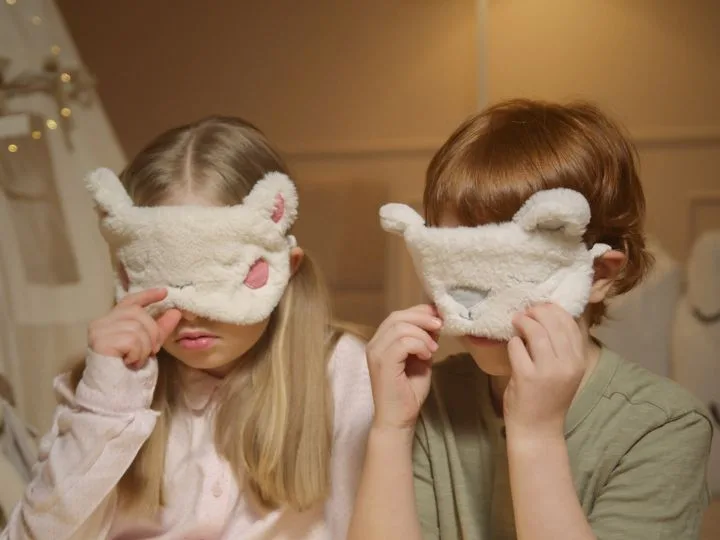
A Sleep mask for kids should feel soft and comfortable against the skin. Children are often more sensitive to pressure around their eyes and face, so a lightweight design with smooth materials can make a noticeable difference. The mask should stay comfortably in place without feeling tight or restrictive.
Look for Soft and Breathable Materials
The material used for a children's sleep mask can affect how comfortable it feels during extended use. Soft cotton, bamboo fabric, or other breathable materials can be suitable choices because they tend to feel gentle against the skin.
Breathability is particularly important during warm journeys. A material that traps too much heat may cause sweating and discomfort, which can make it harder for a child to settle down. Look for masks made with fabrics that allow some airflow while remaining soft enough for sensitive skin.
Avoid Rough Seams and Irritating Fabrics
Small details can make a big difference when choosing travel accessories for children. Rough stitching, stiff edges, or scratchy fabrics may irritate the skin around the eyes and nose.
A well made mask should have smooth edges and comfortable stitching. Parents should also check whether the materials are suitable for their child's skin sensitivity before using the mask for an extended period.
Choose an Adjustable Fit
Children grow quickly, so an adjustable sleep mask can be more practical than a fixed size. An adjustable strap allows parents to create a secure fit without applying unnecessary pressure around the head.
The mask should remain in position when the child moves but should not feel excessively tight. If the strap leaves visible marks on the skin or causes discomfort, it may need adjustment or replacement.
Consider the Child's Age and Face Shape
Not every mask will fit every child in the same way. Younger children may need a smaller design, while older children may require a larger mask that provides adequate coverage.
Parents should check the manufacturer's recommended age range and sizing information. The mask should cover the area around the eyes without pressing directly against them.
Effective Light Blocking
The primary purpose of a travel sleep mask is to reduce exposure to light. Airplane cabins, hotel rooms, and other travel environments can remain bright even when a child is trying to sleep.
A good mask should provide sufficient coverage around the eyes without creating uncomfortable pressure. A contoured design can help reduce gaps around the sides, allowing less light to enter while keeping the mask comfortable.
Check for Gaps Around the Nose
The area around the nose can sometimes allow light to enter underneath a poorly fitted mask. A suitable design should sit naturally across the bridge of the nose without pressing too firmly.
Parents can test the mask at home before travelling. Having the child wear it for a short period can reveal whether light enters around the edges or whether the design feels uncomfortable.
Pick a Child Friendly Design
Children may be more willing to wear a sleep mask when they like its appearance. Masks featuring simple patterns, cheerful colours, or familiar themes can make the accessory feel more enjoyable rather than something they are being forced to use.
However, appearance should not take priority over comfort and functionality. Decorative elements should be securely attached and should not create unnecessary bulk around the eyes.
Consider the Mask's Weight
A lightweight mask is generally more suitable for travel because children may be wearing it for several hours. Heavy materials can place unnecessary pressure on the face and may become uncomfortable during sleep.
A compact design is also easier to pack into a carry on bag or travel pouch. Parents can keep the mask accessible rather than storing it deep inside luggage.
Think About Hygiene and Cleaning
Travel accessories can collect sweat, dust, and oils from the skin. Choosing a washable mask makes it easier to maintain good hygiene between trips.
Parents should check the care instructions before washing the mask. Some materials may require gentle washing or air drying to maintain their shape and softness.
Carry a Spare Mask
Having a second mask can be useful during longer journeys or holidays. If one becomes dirty or gets misplaced, a spare provides a convenient replacement.
A small storage pouch can also help keep the mask clean while it is packed inside a backpack or suitcase.
Test the Mask Before Travelling
Introducing a new sleep mask during a journey may not always work well. Children can take time to become comfortable with something covering their eyes.
Parents can allow the child to try the mask at home while reading, relaxing, or resting. This gives the child an opportunity to adjust to the sensation and allows parents to identify problems with fit or comfort before travelling.
A Sleep mask for kids should be treated as a comfort accessory rather than something a child must wear. If the child dislikes wearing it or finds it uncomfortable, removing it may be preferable to forcing continued use.
Frequently Asked Questions
Is a sleep mask suitable for every child?
Not necessarily. Some children may find having their eyes covered uncomfortable or distracting. Parents can introduce the mask gradually and allow the child to decide whether it feels comfortable.
What material is best for a children's sleep mask?
Soft and breathable materials such as cotton or bamboo can provide a comfortable feel. The most suitable option depends on the child's skin sensitivity, climate, and personal preference.
Should a child's sleep mask be tight?
No. The mask should fit securely without creating excessive pressure around the head or eyes. An adjustable strap can make it easier to achieve a comfortable fit.
Can children wear sleep masks during flights?
Children may use a sleep mask during flights if they are comfortable wearing one. Parents should check the fit before the journey and ensure the mask does not interfere with the child's comfort or ability to respond to their surroundings.