Sites containing critical infrastructure, valuable equipment or restricted operational areas often require perimeter protection that can make unauthorised access more difficult while maintaining useful visibility. 358 anti climb mesh is designed with closely spaced openings that create a substantial physical barrier without the solid appearance of traditional walls. Its configuration can make it suitable for selected commercial, industrial and infrastructure environments where enhanced perimeter security is required.
Closely Spaced Mesh Configuration
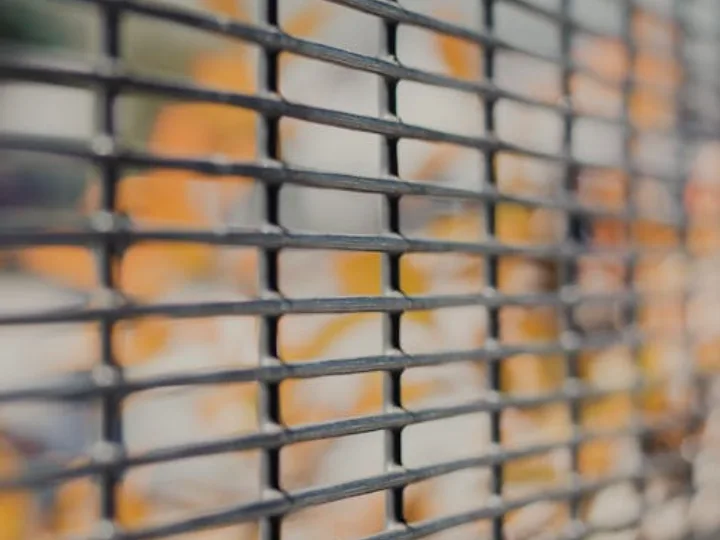
A key characteristic of this fencing system is its narrow mesh aperture. The closely spaced wires provide limited space for footholds and handholds, making the barrier more difficult to climb.
The small openings can also restrict the ability to pass objects through the fence. These characteristics can be useful around areas where controlling physical access is an important part of the site's security strategy.
Strong and Rigid Perimeter Construction
High-security environments require fencing that can provide a stable and durable physical boundary. Mesh panels are supported by structural posts and fixings selected according to the project requirements.
The overall design should consider fence height, panel configuration, post spacing, foundations and fixing methods. These elements need to work together to provide the required structural performance.
Maintaining Perimeter Visibility
Security does not always require a solid visual barrier. The open construction of the mesh can allow personnel to see through the perimeter and monitor activity around the boundary.
Useful sightlines can assist with observing approaches, gates, service areas and surrounding locations. This can also support the positioning of CCTV and security lighting.
Supporting Surveillance Systems
A physical perimeter can form part of a layered security strategy involving CCTV, alarms, lighting and access control.
The fence layout should be coordinated with surveillance equipment during the design stage. Camera locations should account for fence alignment, gates and nearby structures to help maintain appropriate monitoring coverage.
Integrating Secure Access Points
Even a strong perimeter can be undermined by poorly planned entry points. Gates should therefore be designed as part of the overall fencing system.
A suitable gate configuration can support controlled access for authorised personnel, contractors, service vehicles and emergency teams. Locking systems and electronic access controls can be incorporated according to the facility's requirements.
Suitable for Sensitive Infrastructure
This type of mesh can be considered for locations where physical access needs to be carefully controlled. Potential applications include data centres, transport infrastructure, utilities, government facilities, logistics compounds and industrial sites.
The appropriate fencing specification will depend on the risks, operational requirements and applicable project standards for each location.
Considering Site and Environmental Conditions
Ground conditions can influence foundations, post installation and fence alignment. Uneven terrain, drainage, existing infrastructure and restricted work areas should be assessed before installation.
Environmental exposure should also be considered. Material selection and protective finishes need to reflect local weather conditions and the expected maintenance environment.
Planning for Long-Term Security
Perimeter requirements can change as facilities expand or operational arrangements develop. Future access points, additional security equipment and changes to vehicle movements may affect the original fence layout.
Planning for these possibilities can make future modifications easier while maintaining consistency across the wider security perimeter.
Evaluating the Complete System
Choosing a high-security mesh system should involve more than assessing the fence panel itself. Project teams should consider the complete perimeter, including foundations, posts, gates, access control, surveillance, lighting and maintenance requirements.
A coordinated specification can help ensure each component supports the intended security objectives.
FAQs
What makes 358 anti climb mesh suitable for high-security sites?
Its closely spaced mesh can make climbing and passing objects through the barrier more difficult while maintaining useful visibility around the perimeter.
Where can 358 anti climb mesh be used?
It may be considered for data centres, utilities, transport infrastructure, government facilities, logistics sites and industrial environments requiring enhanced perimeter protection.
Does the mesh allow CCTV surveillance?
Yes. Its open configuration can maintain sightlines for CCTV and other monitoring systems when the perimeter is appropriately designed.
Can gates be integrated with the mesh perimeter?
Yes. Vehicle and pedestrian gates can be designed to complement the fencing and incorporate suitable locks or access control equipment.
What should be checked before installation?
Security requirements, fence height, ground conditions, foundations, access points, surveillance, environmental exposure and future operational changes should all be reviewed.
High-security perimeter projects require a coordinated approach that considers physical resistance, visibility, controlled access and long-term performance. Closely spaced mesh, robust structural components, surveillance compatibility and appropriately designed gates can contribute to an effective perimeter strategy. For projects considering 358 anti climb mesh, assessing the complete site and security requirements can help determine whether the system is suitable for the intended commercial or infrastructure application.