Roof membrane failure in Southern Oregon usually stems from extreme temperature swings, UV degradation, and poor drainage. You can fix these issues through professional roof membrane repair in Grants Pass, OR, by patching small punctures, reseaming loose joints, or applying specialized liquid coatings to restore the surface. Early detection prevents minor leaks from turning into structural wood rot or mold growth in your building.
Understanding the health of your commercial or flat roof is essential for long-term property protection. This guide examines the common in our local climate and the specific steps required to restore a failing system. You will learn how to identify early warning signs and choose the right restoration methods to extend the life of your investment.
Expert roofers often observe that neglected maintenance leads to total replacement long before a roof reaches its expected lifespan. By focusing on timely repairs and high-quality materials, you can maintain a watertight seal for decades. Industry data suggests that a proactive maintenance plan can reduce total lifetime roofing costs by nearly 50 percent compared to reactive emergency fixes.

Common Causes of Membrane Failure
Southern Oregon presents unique challenges for flat and low-slope roofing systems. The intense summer sun dries out materials, while winter freezes cause trapped moisture to expand and tear at seams.
- UV Exposure: Constant sunlight breaks down the chemical bonds in TPO, PVC, and EPDM membranes, leading to brittleness and cracking.
- Thermal Shock: Rapid changes between hot days and cold nights cause the roof to expand and contract, putting stress on fasteners.
- Ponding Water: If your roof doesn't drain within 48 hours, the weight and standing water can degrade the membrane and through seams.
- Mechanical Damage: Foot traffic from HVAC technicians or fallen tree limbs can puncture the thin protective layer.
- Poor Installation: Incorrectly applied adhesives or heat-welded seams are often the primary causes of roof membrane failure in newer buildings.
[Image: A close-up of a cracked commercial roof membrane showing signs of UV damage and thermal expansion]
6 Signs Your Roof Membrane Needs Repair
Identifying problems early is the best way to save money on facility maintenance. You should regularly walk your roof or hire a spray foam insulation company in Grants Pass, OR, to look for these specific red flags.
- Open Seams: If the edges where two sheets meet begin to curl or lift, water will surely enter.
- Blistering: Bubbles under the surface indicate that moisture is trapped within the insulation or between layers.
- Visible Cracking: A "crocodile skin" appearance means the material has lost its flexibility and can no longer handle movement.
- Interior Water Stains: Yellow or brown spots on your ceiling are the most obvious signs your roof membrane needs repair immediately.
- Soft Spots: Walking on the roof and feeling a "spongy" sensation suggests the underlying insulation is saturated.
- Flashings Pulling Away: Metal or membrane pieces around vents and chimneys that have detached create easy entry points for rain.
Methods for Repairing Damaged Membranes
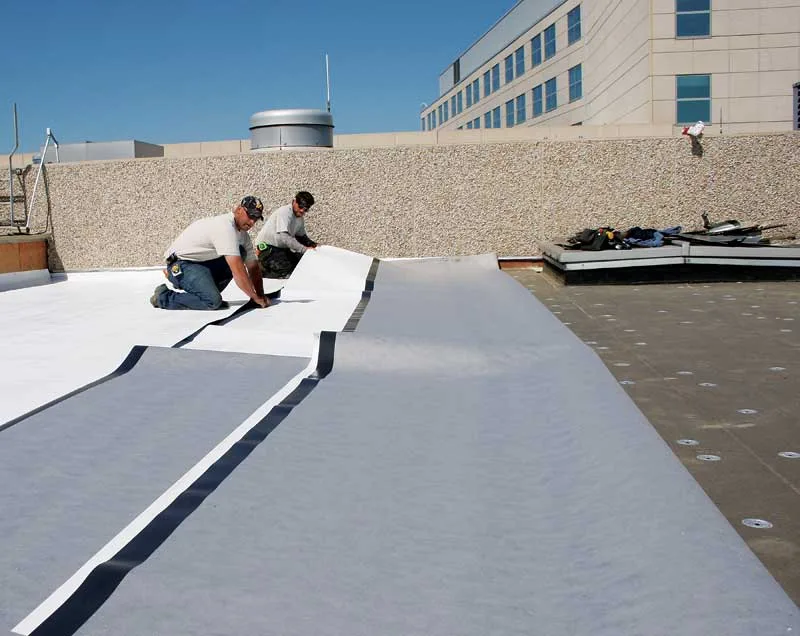
When a problem is identified, the repair method depends on the material and the extent of the damage. For small holes, a simple patch of the same material is often sufficient. The area is cleaned with a specific primer, and a new piece of membrane is heat-welded or glued over the leak to ensure a permanent bond.
For larger areas of degradation, a flat roof membrane service in Grants Pass, OR might suggest a reinforced liquid coating. This process creates a monolithic, seamless layer over the existing roof. It effectively fills in cracks and coats seams, providing a new wear surface without the high cost of a full tear-off.
Professional Patching TechniquesA professional repair begins by cleaning the damaged area with a stiff brush and a solvent-based cleaner. This ensures the new patch bonds perfectly to the aged material. If the membrane is TPO, a hot-air welder is used to fuse the new patch to the original surface at temperatures exceeding 800 degrees.

Bonus Tip for Roof Longevity
Keep your roof drains and gutters clear of pine needles and debris. In Grants Pass, the heavy tree cover means gutters can clog in a single season, leading to ponding water that eventually destroys the seams.
Comparing Membrane Types and Common Issues

How to Repair Damaged Roof Membranes Effectively
The process begins with a thorough inspection to map out every leak point. Because the substrate must be dry to prevent moisture, you cannot apply a patch to a wet roof. If the insulation underneath is saturated, that section must be removed and replaced before the membrane is sealed.
Using roof leak repair solutions in Grants Pass, OR, often involves applying a primer to the old membrane to reactivate its surface. This is especially critical for EPDM roofs, which become chemically inert over time. Once the primer is tacky, the repair material is rolled on with a heavy steel roller to eliminate air pockets and ensure full adhesion.
Choosing the Right Repair Materials
Always match like with like. Using a silicone caulk on a TPO roof might look like a temporary fix, but it will likely peel off within months because the materials are not chemically compatible. Always use the manufacturer-recommended sealants and patches specifically designed for your roof type.
Weather Considerations for RepairsAvoid making permanent repairs during active rain or when temperatures fall below 40 degrees. Most adhesives and welding tools require dry, moderate conditions to create a permanent bond that will withstand the following winter.
Bonus Tip for Flat Roofs
Install walk pads in high-traffic areas, such as the path from the roof hatch to the HVAC units. This prevents maintenance staff from accidentally puncturing the membrane during routine equipment checks.
Determining the Right Time for Action
Before you decide on a specific fix, you must evaluate the overall condition. If more than 25 percent of the roof is failing or the insulation is almost entirely soaked, a simple repair is likely a waste of money. In these cases, a full recovery or replacement is often more cost-effective.
You should also consider the age of the roof. For example, a 20-year-old EPDM roof is nearing the end of its life. While a roof membrane repair in Grants Pass, OR, can buy you another season, it might be better to invest those funds into a new system with a fresh warranty.

Additional Information on Local Permits
In many parts of Jackson County, minor repairs do not require a building permit. However, if you are replacing large sections of the roof or altering the structural drainage, you should check with the Grants Pass Building Department to ensure compliance with local codes.
Essential Factors for Building Owners to Evaluate
Before you sign a contract for roofing work, consider long-term goals for your property. A quick patch is suitable for a building you plan to sell soon, but a high-quality restoration is better for a long-term investment.
- Warranty Compatibility: Ensure any repairs do not void your existing roof warranty by using only approved materials.
- Contractor Specialization: Check if the roof membrane repair contractors in Grants Pass, OR, have specific experience with your material, whether it is TPO, PVC, or built-up roofing.
- Energy Efficiency: Some repair coatings are highly reflective and can significantly lower your cooling costs during hot Oregon summers.
- Drainage Patterns: If the failure was caused by standing water, the repair should include adding tapered insulation or extra drains to address the root cause.
Finding Reliable Support for Your Facility
Maintaining a dry interior starts with a solid relationship with a local expert. For property owners in the Rogue Valley, working with a team like All Foam & Insulation, LLC ensures your roof receives the specific care it needs for our climate. They can help you identify if a simple patch or a more extensive coating is the best path forward. You can reach out to them at (541) 826-9600 or via email at [email protected] to discuss your project. Visiting their location or viewing their service area via https://maps.app.goo.gl/zLL2ZAvJe7UBEnFG7 is a great way to start your search for a free quote on your next project.
Final Steps for Your Roofing Project
Dealing with roof membrane failure requires a balance of speed and precision. You must act quickly to stop water from entering the building, but you must also ensure the repair method is compatible with your existing system. By understanding the common causes of damage and the available repair techniques, you can make an informed choice that protects your property. Evaluate your roof's current age, the extent of the damage, and your budget to find the most sustainable solution.
Frequently Asked Questions About Local Roof Services
How long does a typical membrane repair take?
Most minor repairs, such as patching a few holes or reseaming a short length of the roof, can be completed in a few hours. Larger restoration projects involving liquid coatings may take two to four days, depending on the weather and the size of the building.
Can I use hardware store sealants for a temporary fix?
While tempting, most retail caulks do not bond well to commercial membranes. They often fail quickly and can make it harder for a professional to apply a permanent patch later because of the residue left behind.
Is it possible to repair a roof while it is raining?
Permanent repairs generally require a dry surface. However, technicians can use "emergency mops" or specialized wet-surface sealants to stop an active leak temporarily until the weather clears for a proper fix.
Why does my flat roof have bubbles?
Bubbles, or blisters, usually mean air or moisture is trapped under the membrane. As the sun heats the roof, the moisture turns to vapor and expands, lifting the material away from the deck.
How often should I have my roof membrane inspected?
You should have a professional inspection at least twice a year, ideally in the spring and fall. This allows you to catch damage from winter storms or summer heat before the next season begins.